Linked to Infertility, Liver Damage: USFDA Flags Dialysis Kits in MP Hospitals
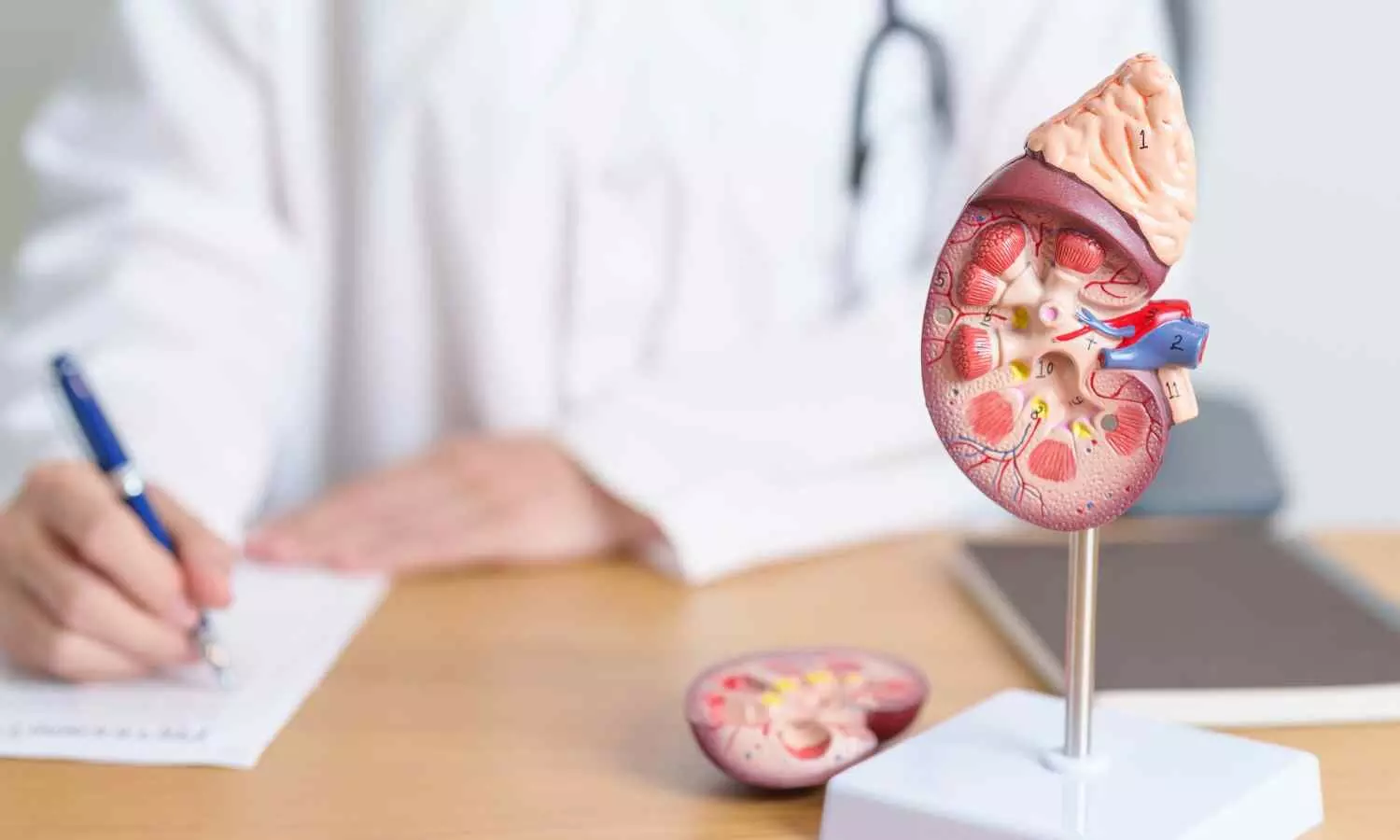


New Delhi: Raising alarming concerns, dialysis kits imported from Thailand and supplied to government hospitals across Madhya Pradesh have been flagged by the US Food and Drug Administration (USFDA) as potentially life-threatening.
Adding to the gravity of the situation, supplier firms Vantiv and Baxter have acknowledged that these kits may contain hazardous chemical substances linked to severe health risks, including infertility and liver damage, posing serious questions about patient safety and regulatory oversight.
As per the news reported by BhaskarEnglish, an investigation prompted authorities into action. A joint team from the Madhya Pradesh Food and Drug Department and the Central Drugs Standard Control Organization (CDSCO) conducted an inspection at the premises of drug distributor MK Brothers in Lasudia Mori on Thursday. During the inspection, officials collected samples of multiple medicines for analysis and uncovered irregularities, including two separate companies operating under a single import license.
Meanwhile, dialysis fluid manufactured by Baxter in Thailand, classified by the US-FDA under a ‘Class-1’ recall, the most serious risk category—was reportedly distributed from Indore to multiple districts across the state, intensifying concerns over patient safety and lapses in regulatory oversight.
In a ‘Correction Notice’ issued on February 20, 2025, Baxter acknowledged the presence of hazardous chemicals in its dialysis kits, warning that these substances could disrupt the human endocrine system.
Separately, it was found that Vantiv lacked a valid import license. Earlier, on August 21, 2025, a Drug Inspector had carried out an inspection of MK Brothers, during which significant irregularities were detected in the labeling and packaging of dialysis fluids. The official report submitted by MP Drug Inspector Lokesh Gupta specifically referred to the product Dynal PD-2 (Peritoneal Dialysis Solution 2), BhaskarEnglish reported.
However, no samples were seized by the department at that time. In reply to the notice, MK Brothers submitted documents on August 25, acknowledging that Vantiv India did not possess a valid import license.
Highlighting the gravity of the issue, Narendra Ahuja, former State Drug Controller of Haryana, stated that cases involving the dumping of rejected or recalled medicines from other countries into India are extremely serious, as reported by BhaskarEnglish. He noted that Indian patients have previously suffered significant harm in similar incidents, such as the faulty hip implant case, where the foreign manufacturer was eventually required to pay compensation.
He further explained that importing and marketing medicines without a valid license constitutes a violation of Section 18-C of the Drugs and Cosmetics Act, which can attract a penalty of up to five years’ imprisonment. The law also strictly prohibits the sale of misbranded drugs, underscoring the seriousness of such regulatory violations.