Abhayrab Safe via Authorised Channels, Clarifies Indian Immunologicals Amid Fake Vaccine Alerts
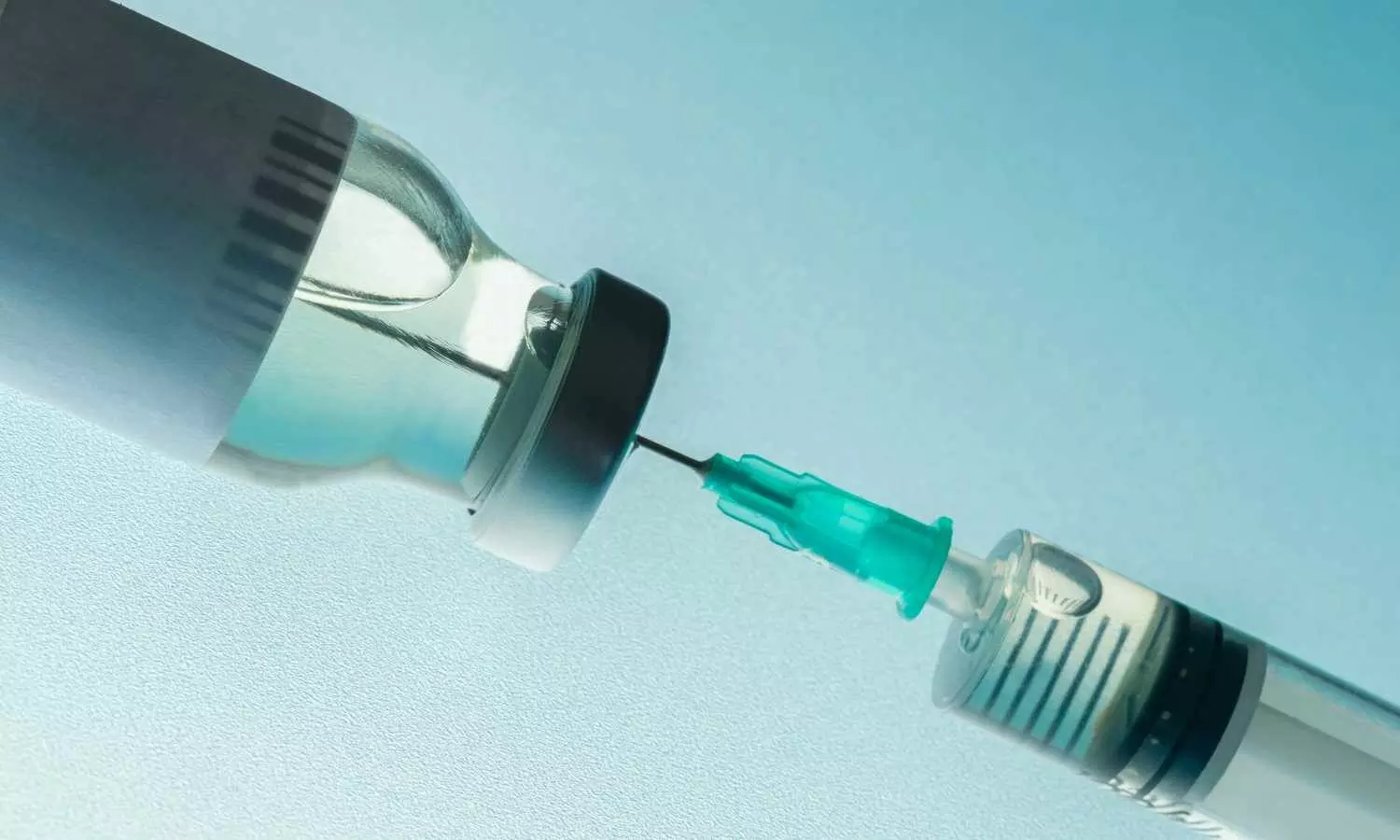


New Delhi: Amid international advisories cautioning travelers to India over reports of a counterfeit anti-rabies vaccine, Indian Immunologicals Limited (IIL) has issued a detailed clarification, asserting that the safety, quality, and efficacy of Abhayrab remain uncompromised when the vaccine is procured through authorised channels.
The clarification comes in response to recent alerts issued by global health regulators and immunisation advisory bodies, which advised travellers and healthcare providers abroad to exercise caution if rabies vaccination was received in India.
The global concern emerged after these international agencies warned that counterfeit versions of the rabies vaccine Abhayrab were reported to be circulating in India, prompting precautionary advisories for travellers vaccinated in the country, particularly from late 2023 onwards. Regulators noted that distinguishing genuine doses from counterfeit ones can be difficult, and underscored that rabies is almost invariably fatal if post-exposure prophylaxis is inadequate.
The advisories stated:
“The fake vaccine differs from the registered vaccine in formulation, packaging, labelling, and manufacturing. People who received the fake vaccine may not be fully protected against rabies and are advised to get replacement doses to ensure they are adequately protected. While infection with rabies is fatal, it is important to note that rabies disease after a potential exposure remains very rare among travellers.”
They further outlined who may be affected, stating that travellers to India may be at risk if they received rabies vaccination in India from 1 November 2023 onwards and were administered one or more doses of Abhayrab®, or if the vaccine brand administered is unknown.
Responding to these advisories, IIL clarified that the issue traces back to a single identified case. According to the company, in January 2025, it detected Abhayrab batch number KA24014 with packaging that differed from the original product.
IIL emphasised that it acted immediately upon detection. “The company promptly notified Indian drug regulators and law enforcement agencies, lodged a formal complaint, and worked closely with authorities to ensure swift action,” the company said.
Further clarifying the scope of the issue, IIL stated that batch KA24014 was manufactured and distributed across various regions of India through IIL’s authorised distribution channels, and that no market complaints were reported in relation to this batch.
“This goes on to affirm the quality and efficacy of IIL’s vaccine when procured from its authorised channels. There is no instance of any other counterfeit batch reported in the market beyond batch KA24014,” the company added.
Reiterating its long-standing track record, IIL highlighted that Abhayrab is India’s first Vero cell rabies vaccine, manufactured by the company since 2000. Over the past two decades, more than 210 million doses have been supplied across India and 43 countries, with Abhayrab continuing to be the brand leader in India with a 40% market share.
On regulatory compliance, the company stressed:
“Our vaccines are developed, manufactured, and released strictly in accordance with the applicable provisions of the Drugs and Cosmetics Act, 1940, and the Rules made thereunder. Each batch of the vaccine undergoes rigorous internal quality control testing and is released for distribution only after independent testing and batch release certification by the Central Drugs Laboratory (CDL), as mandated by the regulatory authorities.”
IIL reassures stakeholders that the company's pharmacovigilance and quality systems are robust, and that the public can continue to place confidence in vaccines supplied directly by IIL and through its authorized channels.
Indian Immunologicals Limited, headquartered in Hyderabad, India, is a "One Health" company and one of the largest producers of vaccines in Asia. IIL was set up by the National Dairy Development Board (NDDB) in 1982. IIL has multiple GMP manufacturing sites and exports to over 60 countries. IIL has a R&D pipeline and has launched several animal and human vaccines in the Indian market at affordable prices. IIL specializes in the development of various types of vaccines, ranging from inactivated and live viral vaccines, polysaccharide conjugate vaccines, recombinant subunit vaccines, toxoid vaccines, and live bacterial vaccines.