CDSCO Flags Toxic Solvents in Children's Syrups, Begins Industry Consultations
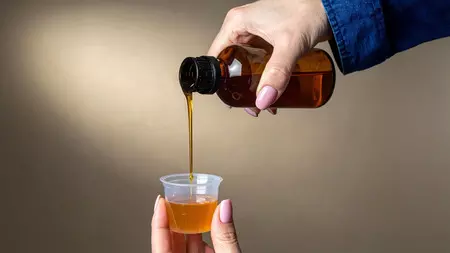


New Delhi: In a significant regulatory intervention, the Central Drugs Standard Control Organisation (CDSCO) has begun consultations with the pharmaceutical industry over the continued use of potentially toxic solvents in paediatric oral liquid formulations.
The move comes amid growing regulatory concern over excipients such as propylene glycol and the possibility of contamination with toxic impurities like diethylene glycol (DEG) and ethylene glycol (EG).
According to a recent media report by News18, Drugs Controller General of India (DCGI) Dr Rajeev Singh Raghuvanshi issued an office memorandum highlighting concerns linked to the use of “high-risk solvents, including propylene glycol and its related impurities" in syrups and drops intended for therapeutic use in children. The memorandum referred to multiple reports raising safety concerns over polyethylene glycol-based excipients and associated contamination risks in paediatric formulations.
The office memorandum, issued on May 11, stated that the issue had been deliberated upon by the Drugs Consultative Committee (DCC). During the discussions, the committee examined the potential hazards associated with solvents such as propylene glycol and impurities including DEG and EG in oral liquid formulations, especially those meant for paediatric patients.
The committee reportedly observed that several oral liquid medicines continue to be manufactured using such high-risk solvents, which may expose children to severe health risks if contamination occurs. The DCC also discussed the possibility of replacing these excipients with safer alternatives and reviewed whether reformulation or restrictions on propylene glycol-based paediatric syrups may be necessary in the future.
Following the committee’s recommendations, CDSCO has decided to begin stakeholder consultations to assess the present manufacturing landscape and collect details regarding formulations currently using these solvents.
The office memorandum announced that a meeting with concerned stakeholders has been scheduled for May 21, 2026, at the CDSCO headquarters in New Delhi. Industry associations have been asked to nominate representatives familiar with the subject for the discussions.
Earlier, the Medical Dialogues Team had reported that the Ministry of Health and Family Welfare confirmed that Coldrif Cough Syrup, manufactured by Sresan Pharma at its Kanchipuram, Tamil Nadu facility, contains diethylene glycol (DEG) beyond permissible limits. Fresh laboratory analysis has declared the drug Not of Standard Quality (NSQ), detecting a toxic 48.6% concentration of DEG, a substance linked to the deaths of at least nine children in Madhya Pradesh's Chhindwara district and two children in Rajasthan.
Diethylene glycol (DEG) is an organic compound found in household products but also as a counterfeit solvent in medicines. DEG poisonings are characterized by acute kidney injury (AKI).Diethylene glycol (DEG) is nephrotoxic, potentially resulting in high morbidity and mortality. Its main nephrotoxic by-product is diglycolic acid (DGA).
News18 reports that the latest CDSCO initiative signals a broader regulatory reassessment of solvent safety standards in paediatric medicines and could pave the way for tighter controls or reformulation requirements for oral liquid drug products in India.