Scan to Check: IPC Launches QR Code System to Curb Spurious Drugs Menace
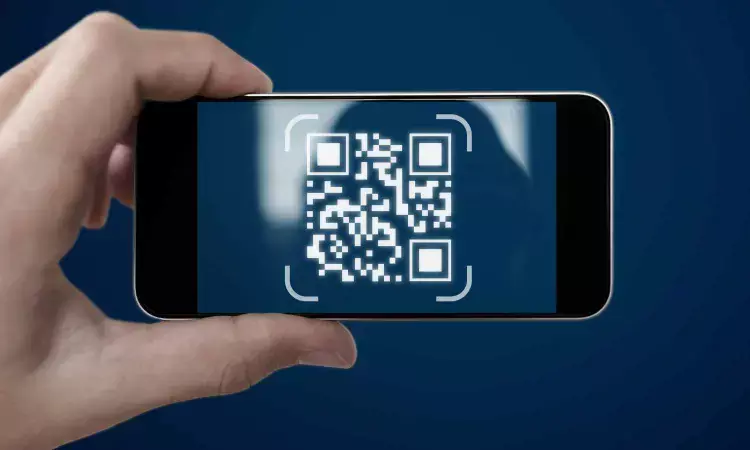


New Delhi: India has rolled out a new QR code-based verification system to help consumers check the authenticity of medicines and protect themselves from spurious and counterfeit drugs circulating in the market.
The initiative has been launched by the Indian Pharmacopoeia Commission (IPC) under the Union Ministry of Health and Family Welfare. Under the system, medicines will carry a QR code on their packaging, which consumers can scan using a smartphone to verify whether the product has been manufactured by an authorised pharmaceutical company.
To access the service, consumers are required to register their mobile number using a dedicated toll-free helpline (1800 180 3024). Once registered, scanning the QR code on a medicine pack will instantly provide confirmation about the product’s authenticity. If the scan raises suspicion or shows a mismatch, consumers can immediately lodge a complaint through the same helpline, enabling quicker regulatory action.
At present, 262 medicines have been brought under the QR code verification system. Authorities indicated that the coverage will be expanded in a phased manner to include more medicines over time, strengthening safeguards against fake and substandard drugs.
Pharmaceutical trade bodies have welcomed the move but stressed the need for mandatory QR codes on all medicines sold in the country. They pointed out that thousands of medicines are marketed under different brand names, and broader implementation would significantly improve consumer safety and confidence.
According to a recent media report in Gujarat Samachar, representatives of chemists and druggists have urged the government to extend the QR code system to cover every marketed medicine and ensure widespread awareness so that consumers across India can benefit from the initiative.