Serum Institute of India, University of Oxford Sign Licensing Pact for Multi-Stage Malaria Vaccine R78C
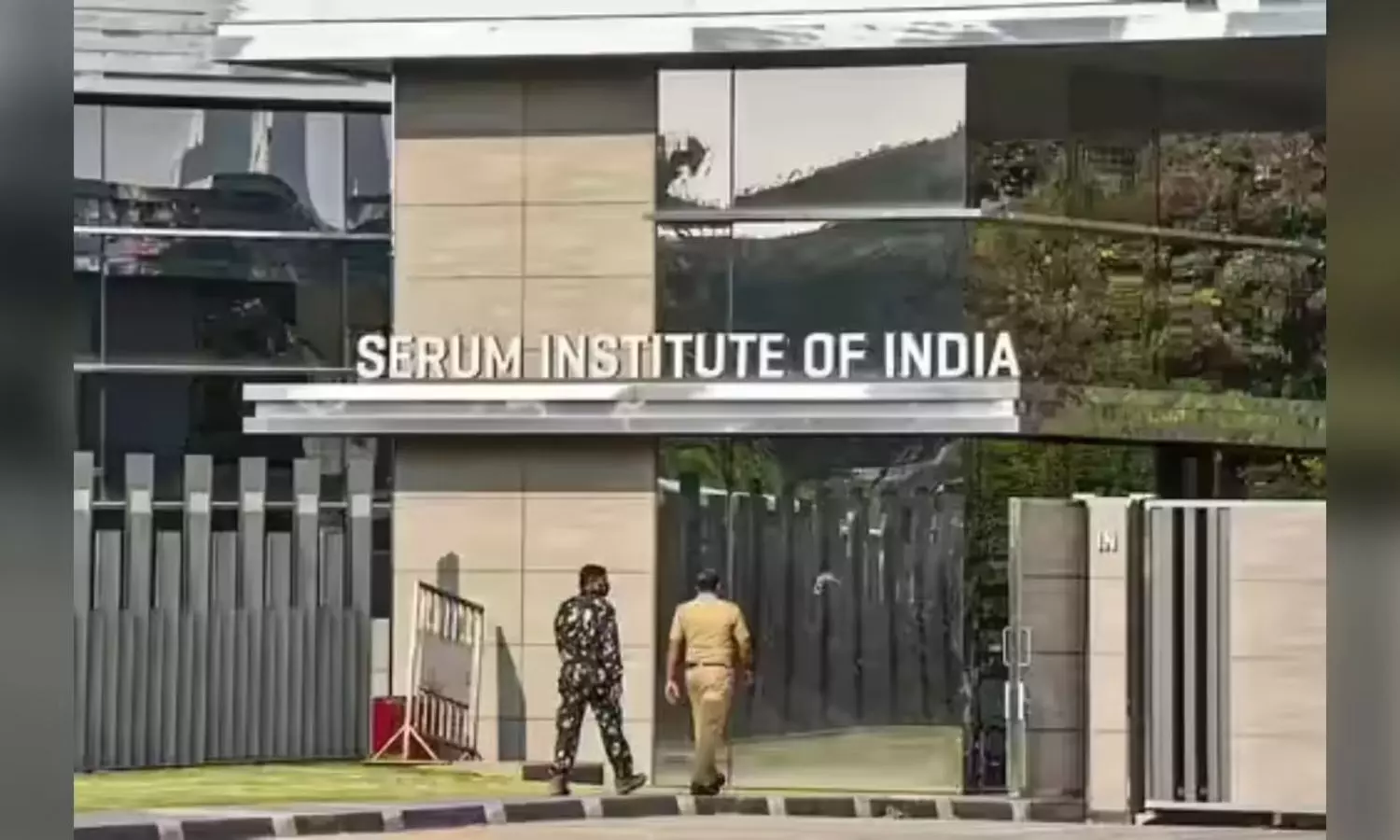


New Delhi: The University of Oxford and Serum Institute of India (SII) have hit a significant milestone in the global fight against malaria with a pact to develop a new multi-stage vaccine.
Oxford University Innovation (OUI) and the world's largest vaccine manufacturer by volume announced a licence agreement this week to support the development and manufacture of R78C. This builds on their previous collaboration on malaria vaccines to improve outcomes.
"This agreement marks an important milestone in our efforts to develop a highly effective multi-stage malaria vaccine," said Simon Draper, Professor of Vaccinology and Translational Medicine in the Department of Paediatrics at Oxford University.
"By combining multiple antigens that target different stages of the parasite lifecycle, we aim to achieve stronger and longer-lasting protection.
"Our collaboration with the Serum Institute of India is central to ensuring that, if successful, these vaccines can be manufactured at scale and made accessible to populations most in need," he said.
R78C is based on two Plasmodium falciparum blood-stage antigens - RIPR and CyPRA - for use in clinical settings.
The university said the new licence pact will enable SII to support the continued development, large-scale manufacture, and potential future commercialisation of the multi-stage vaccine candidate, helping to accelerate its progression into clinical evaluation.
"Malaria prevention continues to demand sustained scientific innovation, especially as efforts move towards vaccines that can target the parasite at different stages of its lifecycle," said SII Executive Director Dr Umesh Shaligram.
"At SII, we have consistently focused on advancing such approaches with the aim of making them effective and accessible. This agreement with the University of Oxford to develop R78C builds on our ongoing collaboration and supports the continued development of next-generation malaria vaccine candidates," he said.
The leading UK university said its collaboration with SII, a Cyrus Poonawalla group company, has consistently focused on enabling equitable access to vaccines for low and middle-income countries.
The partnership aims to ensure that successful malaria vaccine candidates can be produced at scale and supplied affordably to endemic regions, by leveraging the Indian vaccine manufacturer's global manufacturing capabilities.
Dr Matthew Carpenter, OUI's Deputy Head of Licensing and Ventures for Life Sciences, added: "This licensing agreement represents an important milestone in the development of a multi-stage malaria vaccine, enabling the integration of the R78C candidate alongside existing components.
"It highlights how Oxford's knowledge and research can be translated into impactful global health solutions, bringing together scientific innovation and manufacturing expertise to accelerate the development of vaccines for those most affected by malaria."
This agreement forms part of a broader ecosystem of collaborations supporting the development of novel malaria vaccines. In parallel, SII has entered into a related agreement with ExpreS2ion to secure access to its proprietary ExpreS2 expression platform, which has been used in the clinical-stage production of RH5.1 and R78C vaccine components.
The University of Oxford noted that malaria remains a major global health challenge, with hundreds of millions of cases reported annually, predominantly affecting children in sub-Saharan Africa.
The development of more effective vaccines is widely recognised as a critical component of long-term malaria control and eradication strategies.
Also Read:DCGI Approves Zydus' Phase III Trials for Zintrodiazine to Combat Drug-Resistant Malaria