USFDA Rejects Achieve's Smoking-Cessation Drug Cytisinicline Over Manufacturing Issues
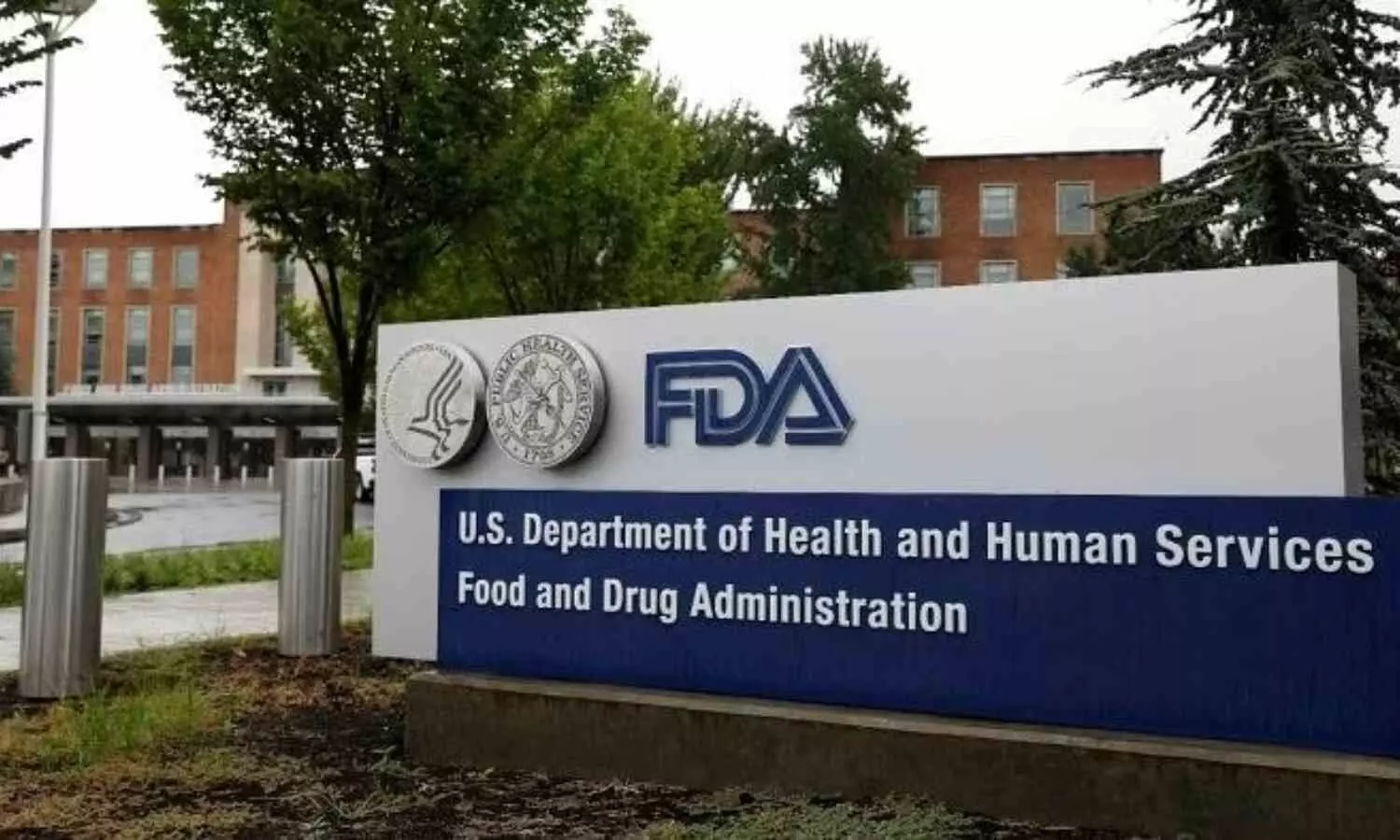


Bengaluru: The U.S. Food and Drug Administration has declined to approve Achieve Life Sciences' drug to treat nicotine dependence in adults, citing unresolved issues found at a third-party manufacturing facility and final product labeling that was not completed by the agency's action date.
The FDA did not identify any deficiencies related to the drug's clinical efficacy or safety in its complete response letter, Achieve added in its statement on Monday.
The rejection delays Achieve's bid to introduce another non-nicotine prescription option for adults trying to quit smoking, with FDA-approved choices still largely limited to Pfizer's Chantix and GSK's Zyban, apart from nicotine replacement products.
The experimental drug, called cytisinicline, is a plant-derived compound aimed at helping adults quit smoking by targeting nicotine receptors in the brain to reduce nicotine cravings and withdrawal symptoms, including irritability and sleep problems. Unlike nicotine replacement products such as patches, gums and lozenges, it does not deliver nicotine. Shares of the company were up more than 10% in early trading.
"The CRL was expected, but the absence of clinical efficacy or safety deficiencies is the key positive, in our view, as it supports cytisinicline's approvability," H.C. Wainwright analyst Brandon Folkes said.
The experimental drug, called cytisinicline, is a plant-derived compound aimed at helping adults quit smoking by targeting nicotine receptors in the brain to reduce nicotine cravings and withdrawal symptoms, including irritability and sleep problems. Unlike nicotine replacement products such as patches, gums and lozenges, it does not deliver nicotine. Shares of the company were up more than 10% in early trading.
Achieve said late-stage trials and safety studies involving over 1,500 participants showed cytisinicline helped more adults quit smoking than placebo, with benefits lasting through 24 weeks and no new safety concerns identified in longer-term data.
The company had earlier said it expected a complete response letter after its former third-party manufacturer received an FDA inspection classification requiring corrective action. The issues were general manufacturing matters and not specific to cytisinicline, Achieve added.
Achieve has since moved its manufacturing to U.S.-based Adare Pharma Solutions and plans to resubmit its application for cytisinicline in the fourth quarter of 2026, with potential FDA approval in the first half of 2027. Smoking cessation is a very large market that has been underdeveloped for years, said Folkes, adding that he believes "cytisinicline has the potential to re-activate" it.
"The CRL was expected, but the absence of clinical efficacy or safety deficiencies is the key positive, in our view, as it supports cytisinicline's approvability," H.C. Wainwright analyst Brandon Folkes said.