
ACOG Guidelines Sheds Light on Most Effective Cervical Ripening Methods
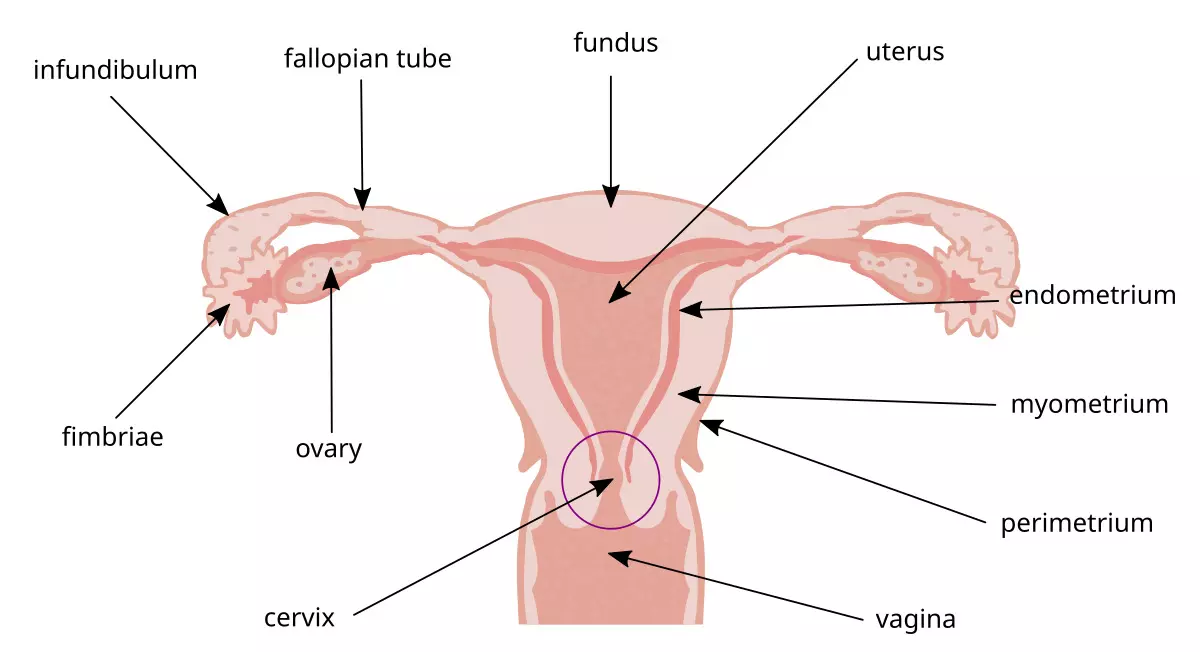


Cervical ripening is a crucial step for many people preparing for labor induction. The newly released 2025 ACOG Clinical Practice Guideline No. 9 takes a fresh, evidence- driven look at how best to approach cervical ripening for term, singleton, vertex pregnancies with intact membranes.
The guideline is built on robust research, including randomized controlled trials and meta-analyses, and is aimed at providing clear, high-quality advice. The authors highlight that about 84% of those who undergo induction will need cervical ripening. The new recommendations focus on three main approaches: pharmacologic, mechanical, and combination methods.
Pharmacologic and Mechanical Methods:
• Pharmacologic options like oral misoprostol or vaginal misoprostol and vaginal dinoprostone are strongly recommended.
-The optimal dosage of oral misoprostol is 20–25 micrograms given every 2 hours.
-The dose of misoprostol when used vaginally is 25 micrograms every 3–6 hours. It is effective for cervical ripening and has improved safety profile as compared to 50 micrograms dose.
Vaginal misoprostol works slightly faster than oral, but both are effective and safe when used at recommended doses.
-Dose of diniprostone when used as vaginal insert is 10mg for up to 12 hours - Vaginal dinoprostone is more effective than the intracervical route for cervical ripening.
• Mechanical methods (such as single or double balloon catheters and osmotic dilators) are also highly recommended and have a favorable safety profile. The optimal volume for inflation in balloon catheters has also has been investigated, ranging from 30 mL to 80 mL
Balloon catheters, especially when combined with misoprostol, may increase the chance of vaginal delivery within 24 hours and reduce the need for C-sections.
• Combination approaches—using both a balloon catheter and misoprostol—are particularly promising for shortening the time from hospital admission to delivery.
For low-risk patients, the guideline suggests that outpatient cervical ripening can safely reduce hospital time. This means some may be able to start the process at home, making the experience less stressful and more convenient. The guideline also emphasizes individualized, trauma-informed care—putting patient comfort, choice, and safety at the center of every decision.
Key Points:
• Both pharmacologic and mechanical methods are safe and effective for cervical ripening.
• Combination methods can shorten time to delivery—great news for busy families and staff.
• Vaginal misoprostol is slightly more effective than oral, but both are good options.
• Balloon catheters are as effective as medications and may be preferred in certain cases.
• Outpatient cervical ripening is now an option for some low-risk patients.
Citation:
Cervical Ripening in Pregnancy. Clinical Practice Guideline No. 9. American College of Obstetricians and Gynecologists. Obstet Gynecol. 2025; 146:148–160.
