Rare Case Report Highlights Sudden Postpartum Cardiomyopathy Within Hours of Emergency Caesarean Delivery
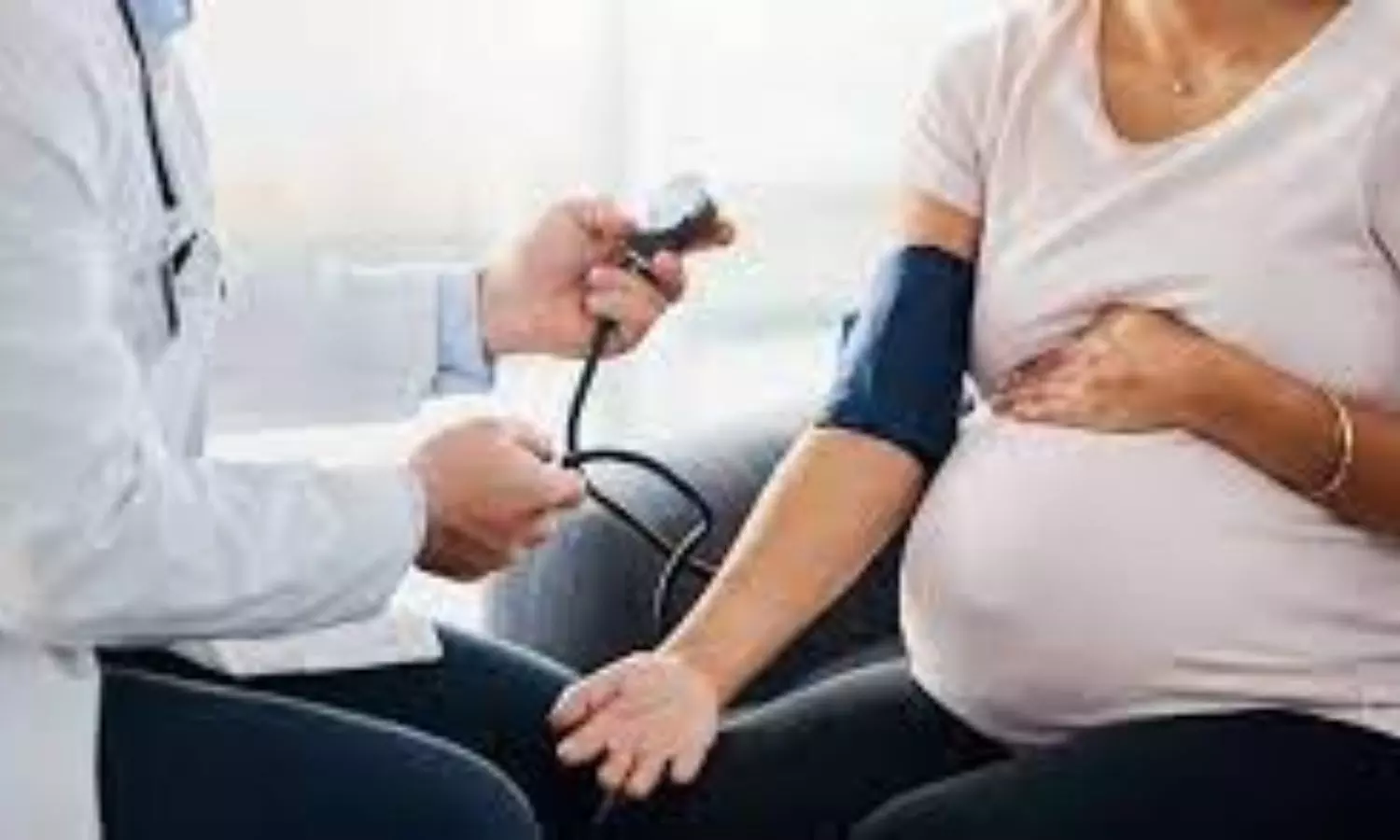


Physicians recently documented a sudden and severe onset of heart failure in a young woman immediately following an emergency delivery, highlighting the unpredictable and rapid progression of a rare cardiac condition. The specific instance of postpartum cardiomyopathy (PPCM) emerged only six hours after an emergency lower segment caesarean section (LSCS) in a patient who had no prior history of heart disease.
These findings are published in the journal Indian Obstetrics & Gynaecology in February 2026 by lead investigator Dr. Ankita Ahlawat and her colleagues from the Department of Obstetrics and Gynecology at Rajshree Medical Research Institute.
The case serves as a critical reminder for healthcare providers that severe cardiac dysfunction can manifest with startling speed during the immediate postpartum period, even in individuals who appear healthy. Recognizing these symptoms early is vital because, although the condition carries a high risk of maternal morbidity, swift intervention in a high-dependency unit can lead to significant clinical improvement and the potential for the heart function to eventually recover.
A 22-year-old unbooked patient at 37 weeks and 6 days of gestation presented with scar tenderness and underwent an emergency LSCS, but she subsequently developed acute chest pain and respiratory distress within just six hours of the surgical procedure. Following extensive investigations—including an electrocardiogram (ECG) showing left ventricular hypertrophy and an echocardiogram revealing a reduced ejection fraction of 35%—the medical team stabilized her in the intensive care unit (ICU) using dobutamine and diuretics, which ultimately resulted in a successful clinical recovery and discharge after two weeks.
Postpartum cardiomyopathy is characterized as a rare form of dilated cardiomyopathy where the heart chambers enlarge and the muscle weakens, though the exact physiological cause of the condition remains largely unknown. Current research suggests that various factors, such as vascular dysfunction, hormonal influences, or autoimmune responses, may trigger this sudden failure of the heart’s left ventricle to pump blood efficiently during the final month of pregnancy or the early months following delivery.
Clinical Relevance and Implementation
The case report emphasizes that practitioners must maintain a high level of suspicion for heart failure when postpartum patients present with symptoms that do not respond to standard treatments for chest or respiratory issues. Furthermore, it illustrates that early diagnosis through tools like echocardiography and immediate management by a team of obstetricians, cardiologists, and pulmonologists are essential for improving outcomes and restoring cardiac metrics in patients facing this fulminant and life-threatening condition.
Reference
Ahlawat A, Agrawal R, Sharma M. A clinical study on the emergence of postpartum cardiomyopathy on the first day following an emergency caesarean delivery. Indian Obstetrics & Gynaecology. 2025.