
Early Warning: Cord Blood Biomarkers Linked to Placental Inflammation in Preterm Infants, study finds
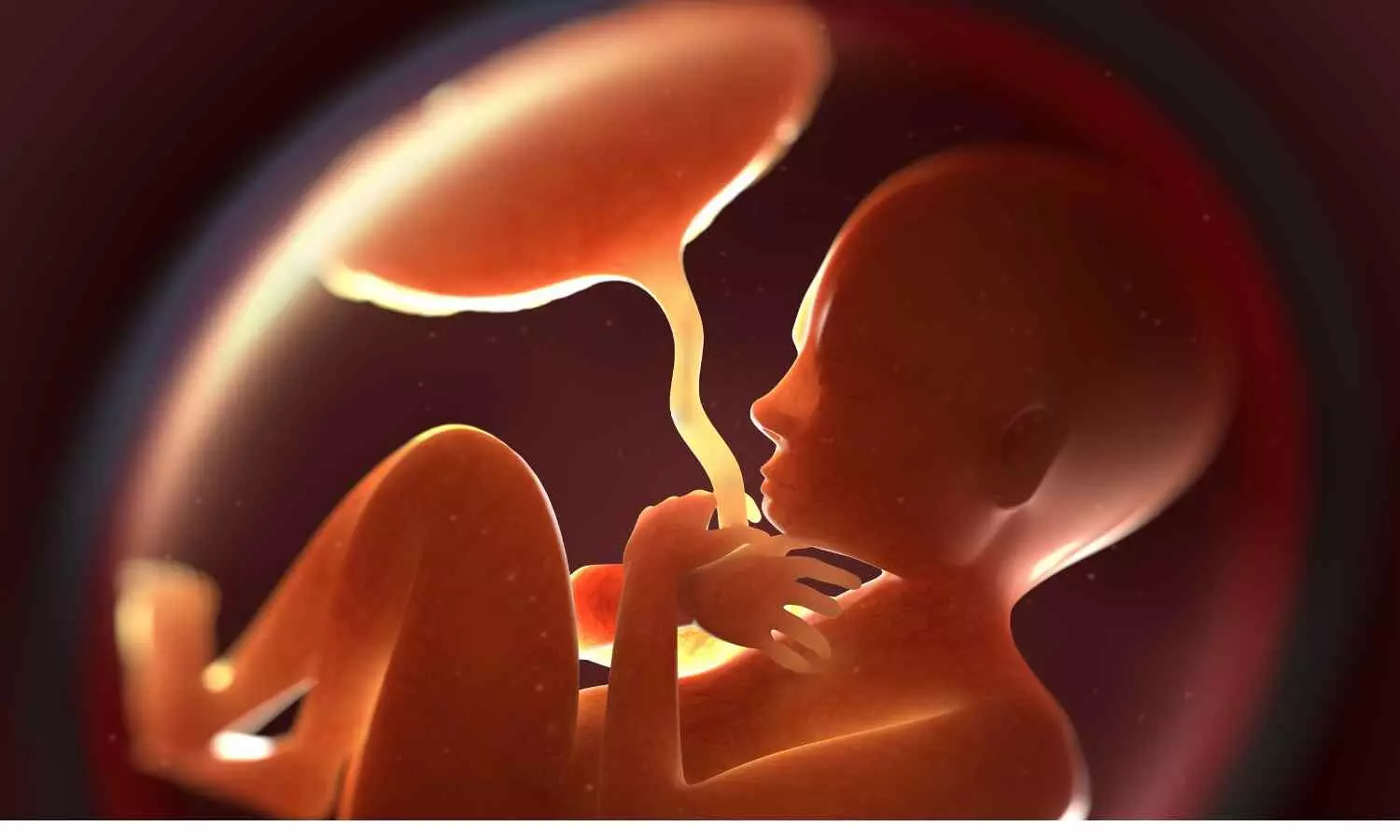


Preterm birth remains a top concern in neonatology, with infection and inflammation leading the list of underlying causes. Yet, placental pathology results only arrive days after delivery—leaving clinicians to make critical decisions before all the facts are in. Can common cord blood biomarkers help bridge this gap? A new study in BMC Pregnancy and Childbirth explores how well procalcitonin (PCT) and C-reactive protein (CRP) reflect placental inflammation and infection risk in preterm infants.
Why Placental Inflammation Matters
The placenta isn’t just a passive conduit between mother and baby. Inflammatory lesions—whether from infection or sterile processes—can trigger preterm labor and set the stage for complications like early-onset sepsis (EOS), longer hospital stays, and extended oxygen support for newborns. Of particular importance is whether inflammation involves only the maternal side (MIR) or also triggers a fetal inflammatory response (FIR), as the latter carries greater risk for the infant.
The Study: Connecting Pathology and Biomarkers
Researchers followed 87 preterm infants (<37 weeks, <2500g birth weight). Placentas were examined for inflammation, and cord blood was tested for PCT, presepsin (P-SEP), and high-sensitivity CRP (hs-CRP). Infants were grouped by placental findings: no pathology, inflammatory pathology, or other non-inflammatory pathology.
Key findings:
Cord blood procalcitonin (PCT) was significantly higher in infants with placental inflammation, and especially when FIR was present.
Early postnatal CRP (within 24 hours) was also higher in these infants.
Both PCT and CRP outperformed presepsin as indicators of placental inflammation.
Inflammatory placental pathology was linked with higher rates of EOS, more frequent positive cultures, longer antibiotic courses, and longer hospital stays.
What This Means for Clinicians
The results show that cord blood PCT and early CRP can serve as early markers of intrauterine inflammation—well before histopathological results become available. This is especially valuable for risk stratification and early intervention in high-risk preterm infants. However, these markers should complement, not replace, the clinical picture and standard sepsis protocols.
Human Impact: Why It Matters for Patients and Families
Detecting intrauterine inflammation early could mean swifter action, better monitoring, and more personalized care for the most vulnerable newborns. It might help reduce complications and improve outcomes, even as researchers continue refining these tools.
Conclusion
Measuring PCT and CRP in cord blood offers a practical, quick insight into hidden dangers at birth. While more research is needed, these markers can help clinicians act faster and smarter for preterm infants at greatest risk.
Key Takeaways:
Placental inflammation is strongly linked to higher cord blood PCT and early CRP in preterm infants.
PCT is especially sensitive for detecting fetal-side inflammation (FIR).
Infants with placental inflammation face greater risks of early-onset sepsis and longer, more complicated hospital courses.
Cord blood presepsin and hs-CRP were less useful as early warning markers in this study.
Cord blood biomarkers can guide immediate care while awaiting full placental pathology results.
Citation:
Šantić K, Bogojević I, Šahinović I, Kralik K, Rajc J, Pušeljić S, Kardum D. Histopathological placental inflammation and umbilical cord blood inflammatory biomarkers in preterm infants: a prospective cohort study. BMC Pregnancy and Childbirth. 2026; [Epub ahead of print]. doi:10.1186/s12884-026-09516-0
