
ACOG Releases Updated Clinical Guidance on Endometriosis to Accelerate Diagnosis and Improve Access to Care
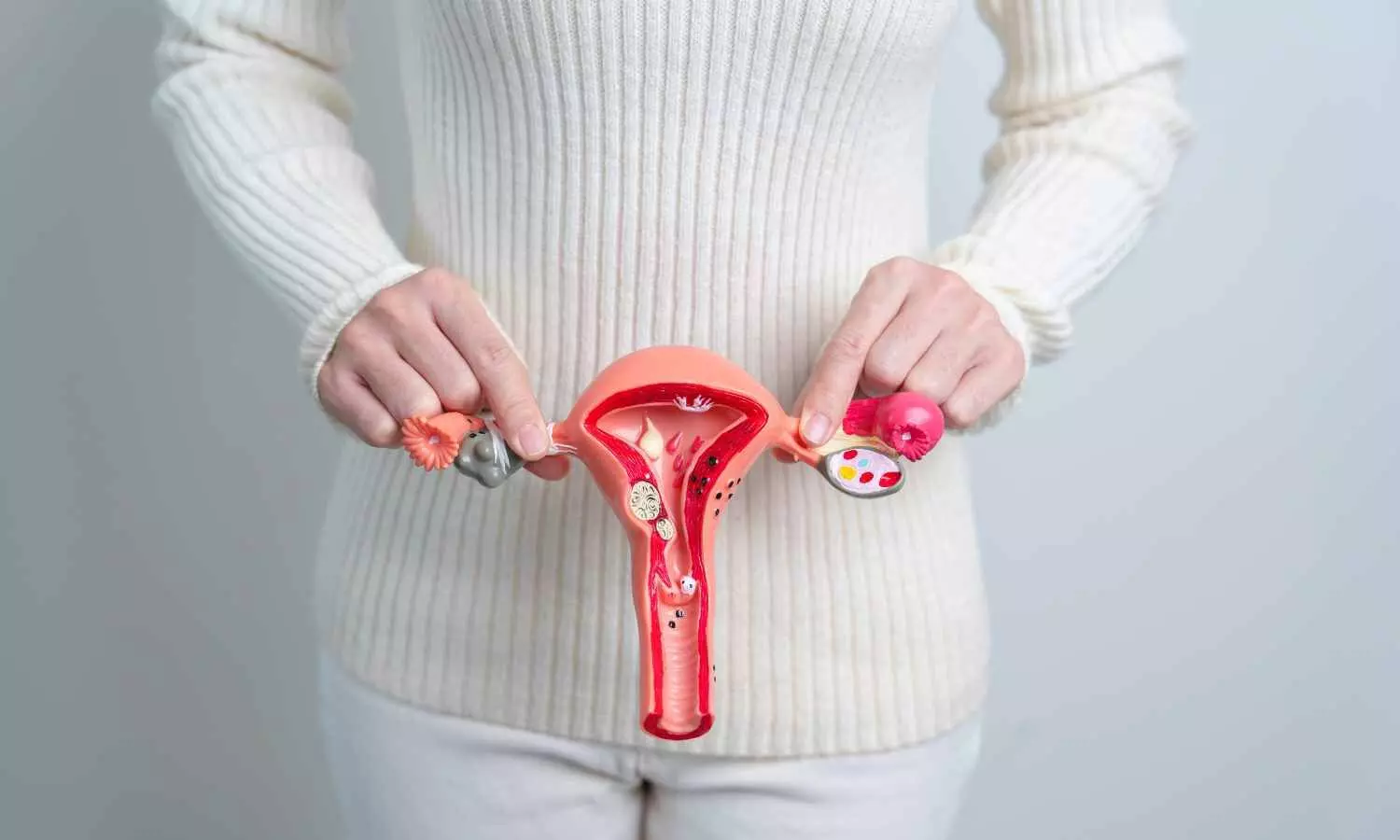


The American College of Obstetricians & Gynecologists (ACOG) released new, updated clinical guidance on endometriosis, including for the first time comprehensive recommendations on diagnosis. Clinical Practice Guideline 11: “Diagnosis of Endometriosis” is being published ahead of Endometriosis Awareness Month in March and in advance of additional guidance that ACOG is developing on the management of endometriosis.
Endometriosis is a chronic inflammatory disorder defined by the presence of endometrial-like tissue lesions outside the uterus. Women and girls with endometriosis may experience chronic pain, infertility, and decreased health-related quality of life. Endometriosis-associated pain can be severe and debilitating, affecting all aspects of patients’ lives.
ACOG’s new guidance aims to improve evaluation and diagnostic care for adolescent and adult patients who may be suffering from endometriosis or endometriosis-like symptoms.
“Endometriosis pain can be incredibly burdensome for women and girls, and we know that on top of that pain, many patients experience understandable frustration due to delays in care and limited management options offered to them,” said ACOG President Steven J. Fleischman, MD, MBA, FACOG. “With this expanded clinical guidance, we are hopeful that more clinicians will feel comfortable following the evidence to diagnose endometriosis clinically and initiate treatment more quickly when appropriate. Earlier diagnosis can help patients access needed clinical care faster and find help and support through patient education resources and support groups.”
Diagnostic delay is a significant issue in endometriosis care, with people waiting between four and 11 years on average from the onset of symptoms to receipt of diagnosis. While patients are waiting for a diagnosis, they can experience disease progression, onset of new symptoms, further decline in quality of life, and increasing health care costs. The traditional reliance on surgical findings to diagnose endometriosis is an important contributor to diagnostic delays. To help reduce delays in endometriosis care, ACOG’s new guidance provides detailed recommendations on the use of clinical findings and imaging tests to provide a presumptive diagnosis of endometriosis.
“A presumptive diagnosis of endometriosis based on patient history, symptoms, and physical examination findings—what we call a clinical diagnosis—allows us to offer patients empiric medical treatment while we continue the evaluation process with imaging studies, enabling patients to feel better faster and connect them with resources and support sooner. Data support this approach,” said Bliss Kaneshiro, MD, MPH, FACOG, named author of the guidance.
The new guidance also addresses barriers to endometriosis care arising from racial bias and gender-identity bias, highlighting that people from marginalized communities may experience additional delays in diagnosis and treatment.
“Improving not only patient access to care but also the quality of care for all patients with endometriosis requires multiple solutions. We must enhance medical education and training on endometriosis, encourage the use of patient-centered care approaches, and continue our work to expand access to ob-gyn care for everyone,” said Catherine T. Witkop, MD, PhD, MPH, FACOG, named author of the guidance. “Improving endometriosis care in the future requires present-day investment in research to better understand the causes of endometriosis and develop noninvasive diagnostic techniques and additional treatments.”
ACOG’s new guidance also emphasizes the importance of shared decision making in endometriosis care.
“Patients with endometriosis may have different goals, depending on their symptoms, reproductive plans, and personal priorities. As physicians, it is essential that we engage in shared decision making and offer individualized, patient-centered care. Some of our patients may choose surgery to diagnose and treat endometriosis, while others may prefer empiric medical management based on symptoms or imaging. Our role is to present evidence-based options and support each patient in selecting the approach that best aligns with their goals and improves their quality of life,” said Amanda N. Kallen, MD, named author of the guidance.
ACOG’s new guidance is also relevant for clinicians outside of ob-gyn care who may see patients with symptoms of endometriosis. Delays in care can be due to inadequate training in the recognition of endometriosis, resulting in dismissal, normalization, or misattribution of patients’ symptoms. Dismissal or invalidation of symptoms by clinicians can delay diagnosis and care, prolong patients’ physical suffering, and have significant negative effects on people’s psychological and emotional well-being.
“Our goal with this guidance is to give ob-gyns and clinicians across specialties the tools they need to diagnose endometriosis and improve quality of life for the many patients who are suffering from endometriosis-related pain,” said Christopher M. Zahn, MD, FACOG, ACOG chief of clinical practice. “However, in order to reach all people who are suffering from endometriosis-related symptoms, we must raise public awareness of this chronic condition so that individuals who present to clinicians outside of the ob-gyn specialty can receive appropriate, timely evaluation or be referred to specialist care without delay.”
Specifically, ACOG advises the following:
1.A clinical diagnosis based on symptoms, physical examination, or both is sufficient to begin empiric medical therapy.
2.Endometriosis should be suspected in patients presenting with symptoms such as dysmenorrhea, dyspareunia, chronic pelvic pain, dyschezia, dysuria, or infertility associated with one or more of these features.
3.Transvaginal ultrasonography should be used as the first-line imaging modality when evaluating suspected endometriosis.
4.If transvaginal ultrasonography is not appropriate or acceptable, transabdominal ultrasonography may be used as an alternative imaging option.
5.Pelvic MRI should be considered when additional characterization of deep infiltrating disease is necessary to guide treatment planning.
6.Blood tests, urine tests, endometrial sampling, or other biomarkers should not be used to establish the diagnosis of endometriosis.
7.The choice between diagnostic laparoscopy and empiric medical treatment should be individualized through shared decision-making, weighing the risks and benefits of each approach.
8.Diagnostic laparoscopy may be considered to confirm the diagnosis in patients with suspected endometriosis, even if physical examination and imaging findings are negative; however, it is not required before initiating empiric therapy.
9.During diagnostic laparoscopy, biopsy of suspected lesions should be considered to obtain histologic confirmation, recognizing that a negative pathology result does not exclude endometriosis.
10.When feasible, suspected endometriotic lesions should be treated during the initial laparoscopy to reduce the likelihood of requiring future surgical intervention.
