Adenomyosis, Adenomyoma, and Myohyperplasia Common Among Women Undergoing Hysterectomy for Leiomyoma: Study
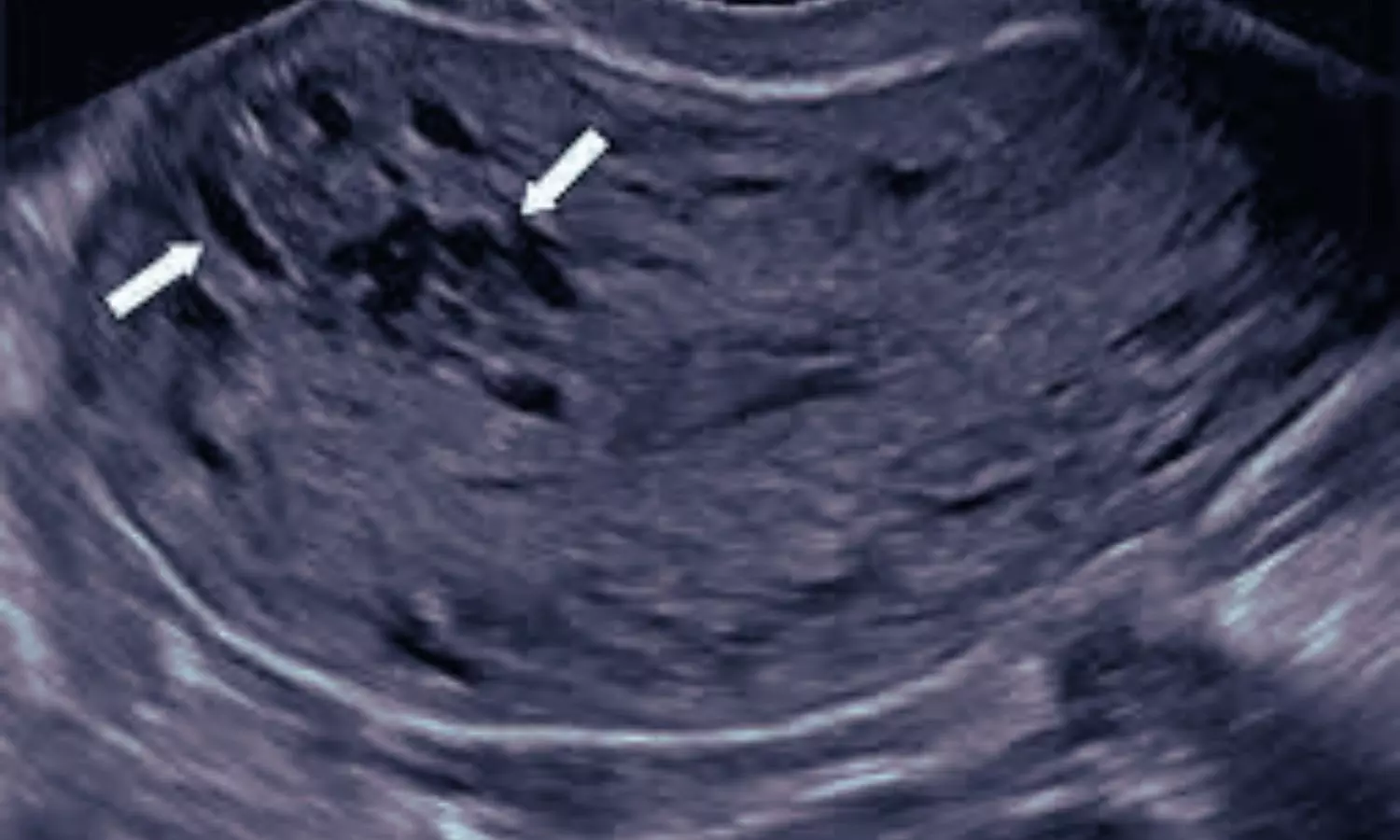


Adenomyosis is a substantial clinical concern in gynecology, significantly affecting premenopausal and perimenopausal women.Adenomyosis involves the presence of endometrial tissue, including both glands and stroma, within the myometrium, and exhibits symptoms like menorrhagia, pelvic pain, dyspareunia, and dysmenorrhea.
Additionally, leiomyomas, commonly referred to as uterine fibroids, represent the most prevalent benign tumors in women of reproductive age, complicating the clinical landscape through symptom overlap. The presence of uterine bleeding, homogenous and diffuse uterine enlargement, and the lack of any myoendometrial cause of bleeding are clinical indicators of myohyperplasia of the uterus. It first manifests in adolescence and may worsen over the years as a women bears children. Owing to the common cause being hyperestrogenemia and an imbalance between progesterone and estrogen, it often masquerades conditions like leiomyoma, adenomyosis etc.
Leiomyomas can coexist with adenomyosis, complicating the differential diagnosis and treatment strategies—especially concerning surgery. Differentiating between adenomyosis and leiomyomas remains critical as the management approach may vary. Surgical interventions such as uterine artery embolization, and other minimally invasive techniques present alternative therapeutic pathways, yet their efficacy can be hindered by undiagnosed adenomyosis. The present study aimed to evaluate the prevalence and correlation of adenomyosis, adenomyoma, and myohyperplasia in women undergoing hysterectomy for leiomyoma by utilizing histopathological analysis and clinical evaluations.
A cross-sectional study was conducted at the Department of Obstetrics and Gynecology at Gauhati Medical College and Hospital, Assam, India. Two hundred women who underwent hysterectomy for abnormal uterine bleeding associated with leiomyoma were included. Patients were evaluated for adenomyosis and allied myometrial pathologies using histopathological examination, with specific attention given to demographic parameters, presenting complaints, and imaging findings.
Of the women studied, the peak prevalence of adenomyosis was observed within the 40–49 year age group (80.5%), followed by cases of leiomyoma (60.5%). Histopathological examination revealed adenomyosis in 37% (74 patients), adenomyoma in 2% (4 patients), and myohyperplasia in only 0.5% (1 patient). Despite the high prevalence of menorrhagia (56.5%) among patients, no significant association with histopathological findings was found (p=0.77). MRI proved to be significantly more accurate than ultrasound in diagnosing adenomyosis.
The study concluded the fact that adenomyosis (diffuse/focal) and allied pathologies like myohyperplasia are present in almost half of the patient undergoing hysterectomy for abnormal uterine bleeding - leiomyoma. Ambiguous clinical features as well as lack of specific consensus for histological and radiological reporting, overlapping features with other pathologies with similar etiology, inter-observer variation etc. are some of the reasons why they are not reported frequently. Well-defined phenotyping for disease burden based on histopathology or imaging may reveal characteristics that are more likely to contribute to symptomatology. Additionally, this study adds valuable insight by distinguishing between the prevalence of adenomyosis, adenomyoma and myohyperplasia—an important differentiation often overlooked in prior research.
Thus, adenomyosis is a common finding in women undergoing hysterectomy for abnormal uterine bleeding associated with leiomyoma. Significant discrepancies between preoperative diagnoses and histopathological findings call for improved diagnostic protocols. Implementing MRI as a routine imaging adjunct could significantly enhance diagnostic accuracy and streamline treatment pathways, minimizing the risks associated with postoperative morbidities.
Source: Gharphalia et al. / Indian Journal of Obstetrics and Gynecology Research 2026;13(2):300–305