Atopic Dermatitis May Be Associated With Higher Female Fecundity: Study
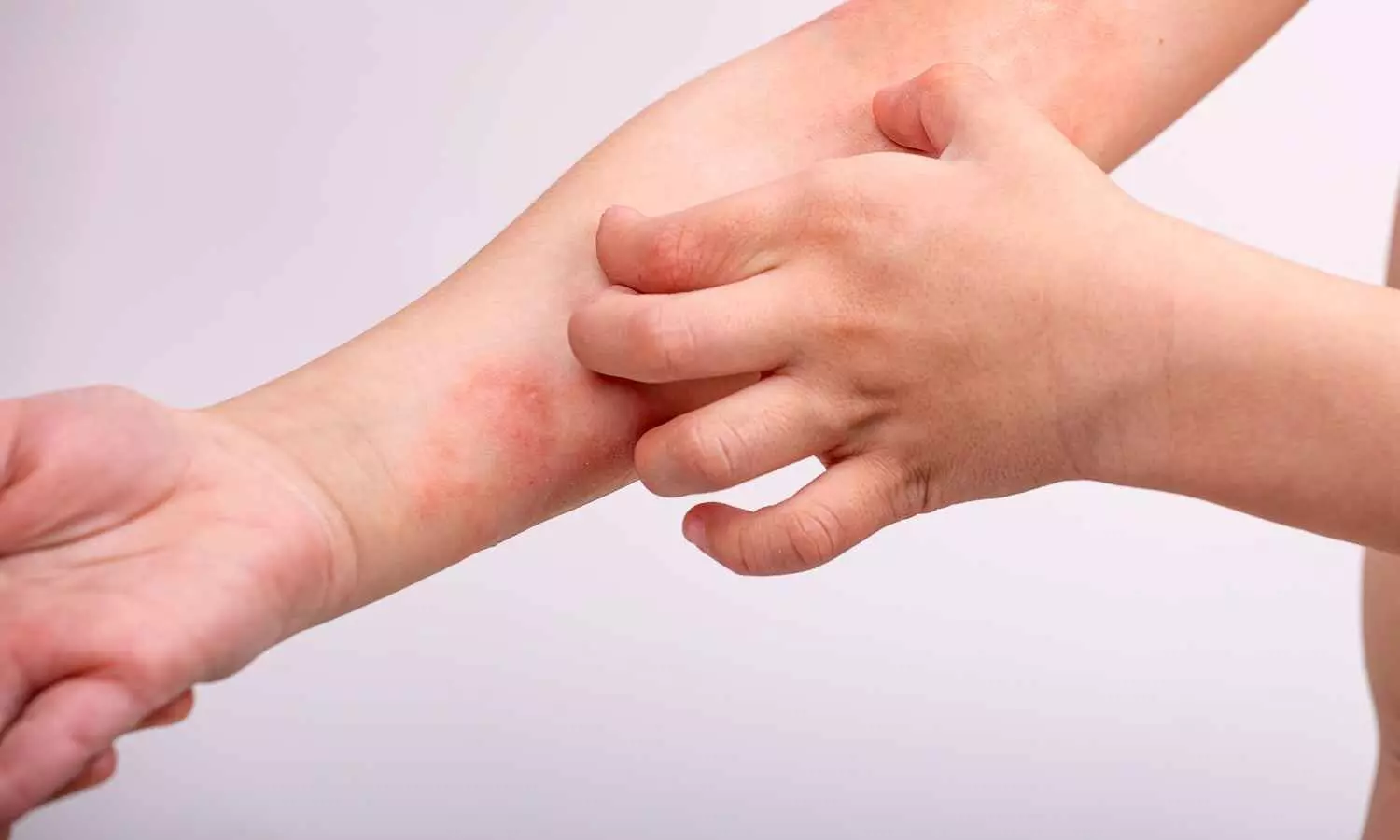


A recent study published in Human Reproduction Open investigated whether women with atopic dermatitis (AD) may have greater fecundity than women without AD. Researchers proposed that the T-helper-2 (Th2)-skewed immune response characteristic of AD resembles the immune adaptation that occurs during pregnancy to promote maternal tolerance of the fetus. This raised the hypothesis that AD might potentially facilitate conception or maintenance of pregnancy.
The study analyzed data from 88,713 pregnant participants enrolled in the Danish National Birth Cohort (DNBC) between 1996 and 2002. Among them, 3,641 women (4.1%) reported having been diagnosed with atopic dermatitis by a physician. This research compared their fertility outcomes with those of women who had no history of the condition.
The findings revealed that women with atopic dermatitis were less likely to take more than 12 months to conceive. They had a 17% lower relative risk of prolonged time-to-pregnancy compared with women without AD. Additionally, they were 19% less likely to conceive using infertility treatment, suggesting slightly higher natural fecundity.
Women with AD had an 11% lower likelihood of subfecundity, defined as taking 6 months or longer to conceive, and a 15% lower likelihood of infertility, defined as taking more than one year to achieve pregnancy.
The condition is associated with a T-helper-2 (Th2)-dominant immune response, which resembles the immune adaptation that naturally occurs during pregnancy. This immune shift helps the mother's body tolerate the developing fetus, leading scientists to hypothesize that women with AD may possess an immunological environment that is slightly more favorable for conception.
The study also examined women with an atopic constitution along with other allergic conditions such as asthma, allergic rhinitis, or food allergies. The findings remained broadly consistent, indicating that the observed association was not limited to women with mild disease.
As the DNBC includes only women who eventually became pregnant, the findings cannot be generalized to women who never conceived or to the broader population of women attempting pregnancy. Overall, these findings support the theory that the immune profile associated with atopic dermatitis may offer a small reproductive advantage. They emphasize that the results should reassure women with AD who are trying to conceive.
Source:
Kjersgaard, C. L., Gaml-Sørensen, A., Clemmensen, P. J., Arendt, L. H., Håberg, S. E., Arah, O. A., Deleuran, M., & Ramlau-Hansen, C. H. (2026). Atopic dermatitis and fecundity: a Danish National Birth Cohort study. Human Reproduction Open, 2026(1), hoaf077. https://doi.org/10.1093/hropen/hoaf077