Data Reveal Key Risk Factors for IUD Expulsion Following Post-Abortion Insertion
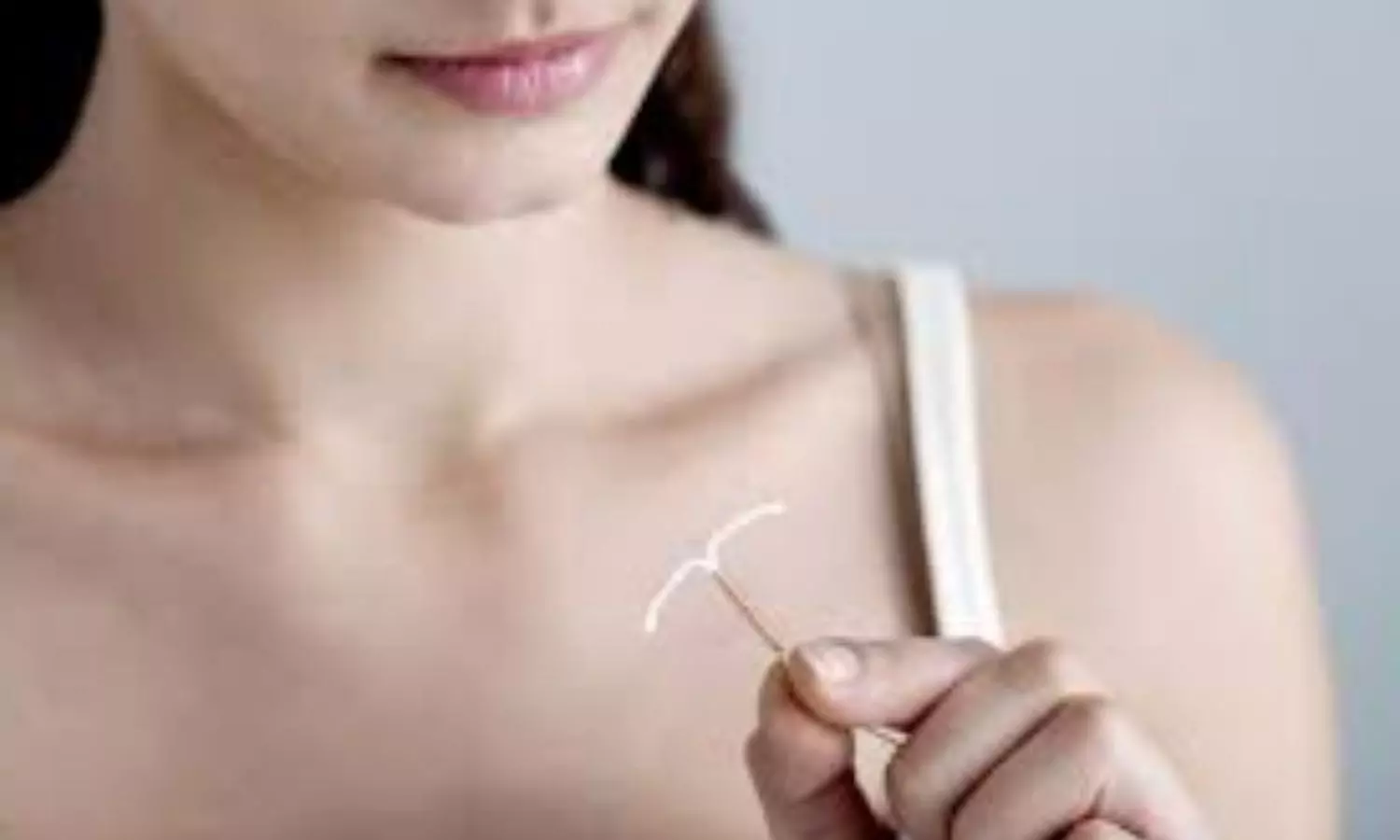


How soon can a patient safely receive an IUD after medical management of a first-trimester incomplete abortion, and what are the real-world expulsion risks? With fertility returning rapidly post-abortion, effective contraception is essential to prevent unintended pregnancies, especially in low-resource settings.
Study Design: Prospective Cohort in Central Uganda
This multicenter prospective cohort study enrolled 1,050 women with first-trimester incomplete abortion managed with misoprostol across five public health facilities in Uganda. Participants selected either a copper IUD or levonorgestrel (LNG) IUD and were randomized to early insertion (within 1 week) or standard insertion (2–4 weeks) post-abortion. Expulsion, satisfaction, and other outcomes were assessed over 6 months.
Expulsion Rates and Timing: Consistently Low Across Groups
The overall IUD expulsion rate at 6 months was 4.6% (95% CI 3.4–6.1%), with no significant difference between early and standard insertion (2.2% vs 2.4%).
Expulsion rates were similar for copper and LNG IUDs.
Most expulsions (64%) were partial rather than complete.
Risk Factors: Satisfaction, Anxiety, and Breastfeeding
Multivariable analysis identified several factors linked to higher expulsion risk:
Low satisfaction with the IUD insertion procedure or IUD use (adjusted OR 7.99)
Anxiety during IUD insertion (aOR 4.28)
Use of ultrasound at follow-up (aOR 8.41)—possibly reflecting clinical suspicion of problems rather than causing expulsion
Breastfeeding at time of insertion (aOR 1.48), though this effect may be modest and needs further research
Clinical Implications: Early IUD Insertion Is Safe and Advisable
The findings support offering IUD insertion immediately after medical management of incomplete first-trimester abortion as a safe and effective strategy to reduce unintended pregnancies. Patient counseling to address anxiety and improve satisfaction may lower the risk of expulsion. The potential role of breastfeeding in expulsion risk deserves additional study.
Conclusion
Immediate post-abortion IUD placement after medical management of first-trimester incomplete abortion is associated with low expulsion rates and high patient satisfaction. Early insertion should be considered routine practice, with attention to patient experience during the procedure.
Key Points
IUD expulsion rates after post-abortion insertion are low (4.6%) at 6 months.
No significant difference in expulsion between early and standard insertion or IUD type.
Dissatisfaction and anxiety during insertion increase expulsion risk.
Breastfeeding at insertion may contribute modestly to expulsion risk.
Early post-abortion IUD insertion is safe, effective, and should be offered routinely.
Citation:
Kayiga H, Looft-Trägårdh E, Cleeve A, Kakaire O, Tumwesigye NM, Byamugisha J, Gemzell-Danielsson K. Expulsion rates and risk factors for intrauterine device expulsion following medical management of first-trimester incomplete abortions: A prospective cohort study in central Uganda. BMJ Sex Reprod Health. 2026;52:109–119. doi:10.1136/bmjsrh-2025-203045