Early Pregnancy PM2.5 Exposure Lowers Birth Weight: JAMA
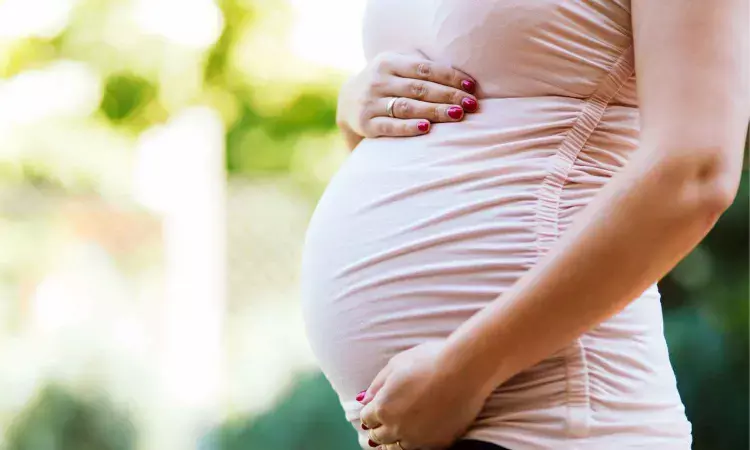


According to a new study published in JAMA Network Open, exposure to fine particulate matter air pollution during the early pregnancy period was associated with reduced birth weight for gestational age, confirming the presence of specific susceptibility windows during fetal development. Increased exposure to PM2.5 during pregnancy was inversely related to fetal growth in a major study conducted in the United States, with the effect being particularly pronounced in the early stages of pregnancy, as well as influenced by infant gender and geographic location. The study was conducted by Whitney C. and colleagues.
Fine particulate matter, also known as PM2.5, which has an aerodynamic diameter of less than 2.5 µg, has been linked to poor pregnancy outcomes, such as low infant birth weight, but these studies averaged PM2.5 concentration over the full term of pregnancy, which might hide important periods of susceptibility. This was a retrospective study that was done among a prospectively enrolled group of participants from the US Environmental Influences on Child Health Outcomes (ECHO) program. The study targeted 16,868 births among full-term singles born between September 2003 and December 2021 at 50 US sites. The study participants came from diverse racial groups and had a maternal mean age of 30.4 years. The statistical analysis was done between March 2024 and February 2025.
Daily residential PM2.5 exposure was estimated using a validated machine-learning model covering the contiguous United States. Weekly mean PM2.5 exposure levels were calculated for each week of pregnancy. The primary outcome was birth weight for gestational age (BWGA) z score, a standardized measure of fetal growth. Bayesian distributed lag interaction models were used to evaluate cumulative and week-specific associations, as well as interactions by sex, race and ethnicity, and region.
Key findings:
• In the overall cohort, mean (SD) weekly PM2.5 exposure during pregnancy was 8.03 (2.3) µg/m³, and mean (SD) birth weight was 3410.7 (464.5) g.
• Higher PM2.5 exposure was associated with a lower BWGA z score (β = −0.06; 95% credible interval [CrI], −0.10 to −0.03).
• A critical window was identified in very early pregnancy (weeks 1–5), with this association persisting only among male infants (β = −0.06; 95% CrI, −0.10 to −0.02).
• Regional analyses revealed negative associations in the Northeast (β = −0.09; 95% CrI, −0.15 to −0.03), Midwest (β = −0.11; 95% CrI, −0.17 to −0.05; critical window 12–18 weeks), and South (β = −0.18; 95% CrI, −0.17 to −0.05; critical window 3–9 weeks).
Higher exposure to PM2.5 during pregnancy was related to reduced birth weight-for-age, with critical exposure windows during the early to mid-gestations and differing by infant sex and geographical location. These results emphasize the need to determine the susceptible exposure windows during pregnancy and emphasize the value of policies aimed at preventing exposure to air pollution to improve birth outcomes.
Reference:
Cowell W, Hsu HL, Just AC, et al. Air Pollution Exposure and Birth Weight in the ECHO Cohort. JAMA Netw Open. 2025;8(12):e2551459. doi:10.1001/jamanetworkopen.2025.51459