
HPV-Only Testing Sufficient for Cervical Cancer Screening,suggests study
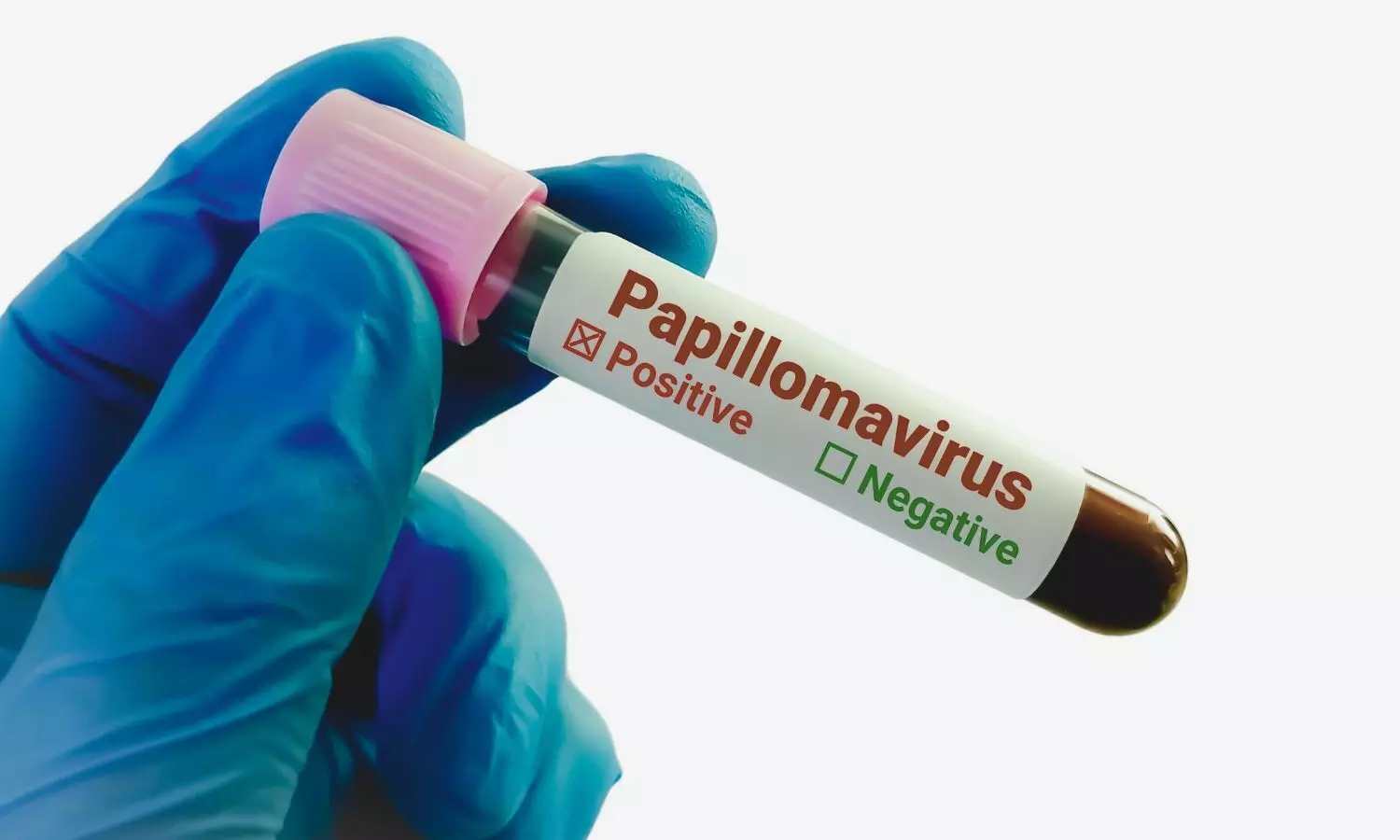


Rethinking Cervical Cancer Screening: Do We Need Both HPV and Pap Tests?
With the global push to eliminate cervical cancer, the best screening strategy remains a hot topic. Many health systems still use both cytology (Pap smear) and HPV testing—a practice known as “cotesting”—to maximize detection. But is this extra step worth the added cost and complexity?
The Study at a Glance: Ten Years of Real-World Data
In a large Canadian cohort study, over 8,000 women who participated in a major cervical screening trial were followed for up to a decade after their exit screening, which included both HPV and cytology tests. The researchers compared the long-term risk of developing cervical precancer (CIN2+) based on different screening results:
HPV-negative with normal cytology
HPV-negative with abnormal cytology
HPV-positive with normal cytology
HPV-positive with abnormal cytology
Their aim: to see if adding cytology actually improved outcomes over HPV testing alone.
Key Findings: HPV-Negative Results Are Powerfully Reassuring
Lowest Risk: Women who tested HPV-negative—regardless of their cytology result—had an extremely low risk (0.41% over 9 years) of developing cervical precancer.
Cotesting Adds Little: The risk for those who were negative on both HPV and cytology was virtually identical to those who were HPV-negative alone.
Cytology Alone Isn’t Enough: Women with normal cytology (but regardless of HPV status) had a higher risk (1.28%) than those who were just HPV-negative.
Minimal Impact Group: Only 3 out of 100 precancer detections occurred in women who were HPV-negative but cytology-abnormal—a group making up less than 1% of the population.
Most Cases Detected by HPV: The majority of precancer cases occurred in women with positive HPV tests, confirming the high sensitivity of HPV screening.
Age Matters, But the Takeaway Holds
The reassuring long-term results of a negative HPV test held true across age groups, including women up to 69. In the oldest group, no cases of cervical precancer were detected among HPV-negative women during follow-up.
What Does This Mean for Screening Policy?
This landmark study suggests that primary HPV testing is not only simpler and more cost-effective, but also just as safe—if not safer—than cotesting. Adding cytology offers little extra benefit, while increasing costs, causing delays, and complicating care. For most women, a negative HPV test alone provides strong reassurance and may allow for streamlined, less frequent screening.
Key Takeaways:
HPV-negative women have an extremely low risk of cervical precancer, even without cytology.
Cytology (Pap) adds little benefit when HPV testing is negative.
Cotesting increases costs and complexity without measurably improving outcomes.
Most cervical precancer is detected by HPV—making it the cornerstone of screening.
Evidence supports simplifying guidelines to focus on primary HPV testing.
Citation:
Gottschlich A, Smith LW, Hong Q, et al. HPV, Cytology, and Cotest Cervical Cancer Screening and the Risk of Precancer. JAMA Network Open. 2026;9(3):e261304. doi:10.1001/jamanetworkopen.2026.1304
