
MRI or Ultrasound? New Research Sheds Light on Best Tool for Diagnosing Placenta Accreta
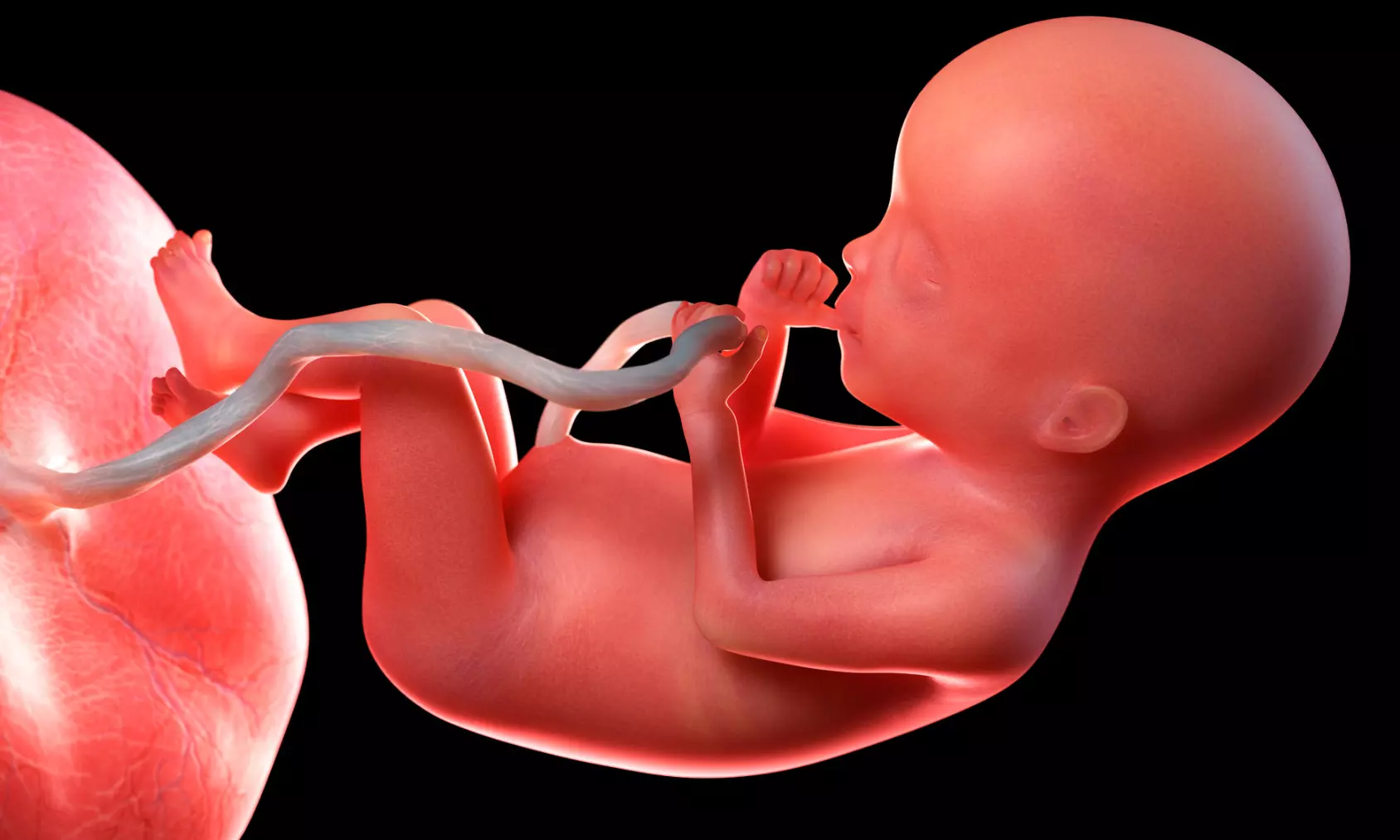


Understanding Placenta Accreta Spectrum (PAS): A High-Stakes Diagnosis
Placenta accreta spectrum (PAS) disorders are serious pregnancy complications where the placenta attaches too deeply to the wall of the uterus. This can lead to dangerous bleeding, emergency hysterectomy, and increased risks for both mother and baby. Early and accurate diagnosis is vital for planning safe deliveries and improving outcomes.
MRI vs. Ultrasound: Which Imaging Method is Better?
Ultrasound (US) is the first-line imaging tool for PAS due to its accessibility, lower cost, and real-time imaging. MRI is often reserved for more complex cases or when ultrasound results are unclear. But which tool is actually more accurate? This new single-center study from Shanghai set out to directly compare them.
The Study at a Glance
Researchers followed 131 pregnant women at high risk for PAS. Every participant underwent both ultrasound and MRI before delivery. Imaging results were compared to the gold standard: findings at surgery or on pathology.
Overall accuracy: MRI and US performed almost identically (MRI accuracy 71.8% vs. US 70.2%).
Placenta accreta cases: Here, MRI outperformed US (accuracy 40.9% vs. 27.2%), with the difference being statistically significant.
Placenta increta & percreta cases: Both methods were equally effective—especially for the most severe form, placenta percreta, where both modalities correctly diagnosed every case.
Misdiagnosis causes: Ultrasound struggled most with poor imaging windows and prior cesareans, while MRI sometimes missed changes that occurred between the scan and delivery.
What Does This Mean for Patients and Providers?
For most cases, ultrasound and MRI are equally reliable for confirming PAS.
MRI offers an edge when accreta is suspected but ultrasound findings are unclear.
Both tools performed perfectly in identifying the most dangerous cases (percreta).
Inter-observer agreement for both methods was moderate, highlighting the need for experienced radiologists and sonographers.
Limitations and the Future of PAS Diagnosis
This study was done at a single center and may not capture all clinical scenarios. Still, the results suggest that while ultrasound remains the best first-line tool, MRI may be especially helpful for tough-to-diagnose cases or when surgical planning requires extra detail.
5 Key Takeaways:
MRI and ultrasound have similar overall accuracy for diagnosing PAS.
MRI performs better than ultrasound for placenta accreta, the trickiest subtype to diagnose.
Both methods excel at diagnosing the most severe cases (percreta).
Ultrasound remains the preferred first step, with MRI as a valuable problem-solver.
A multidisciplinary approach and experienced imaging experts are crucial for best patient outcomes.
Citation:
Yin, X., Zhang, H., Hu, R., Gu, W., Zhang, G., & Zhu, H. (2025). Comparative efficacy of MRI versus ultrasound in prenatal diagnosis of placenta accreta spectrum disorders: a single-tertiary center study. Archives of Gynecology and Obstetrics, 312, 2279–2288. https://doi.org/10.1007/s00404-025-08223-z
