New Consensus Reveals Individualized Strategies for CIN 2: Balancing Surveillance and Treatment
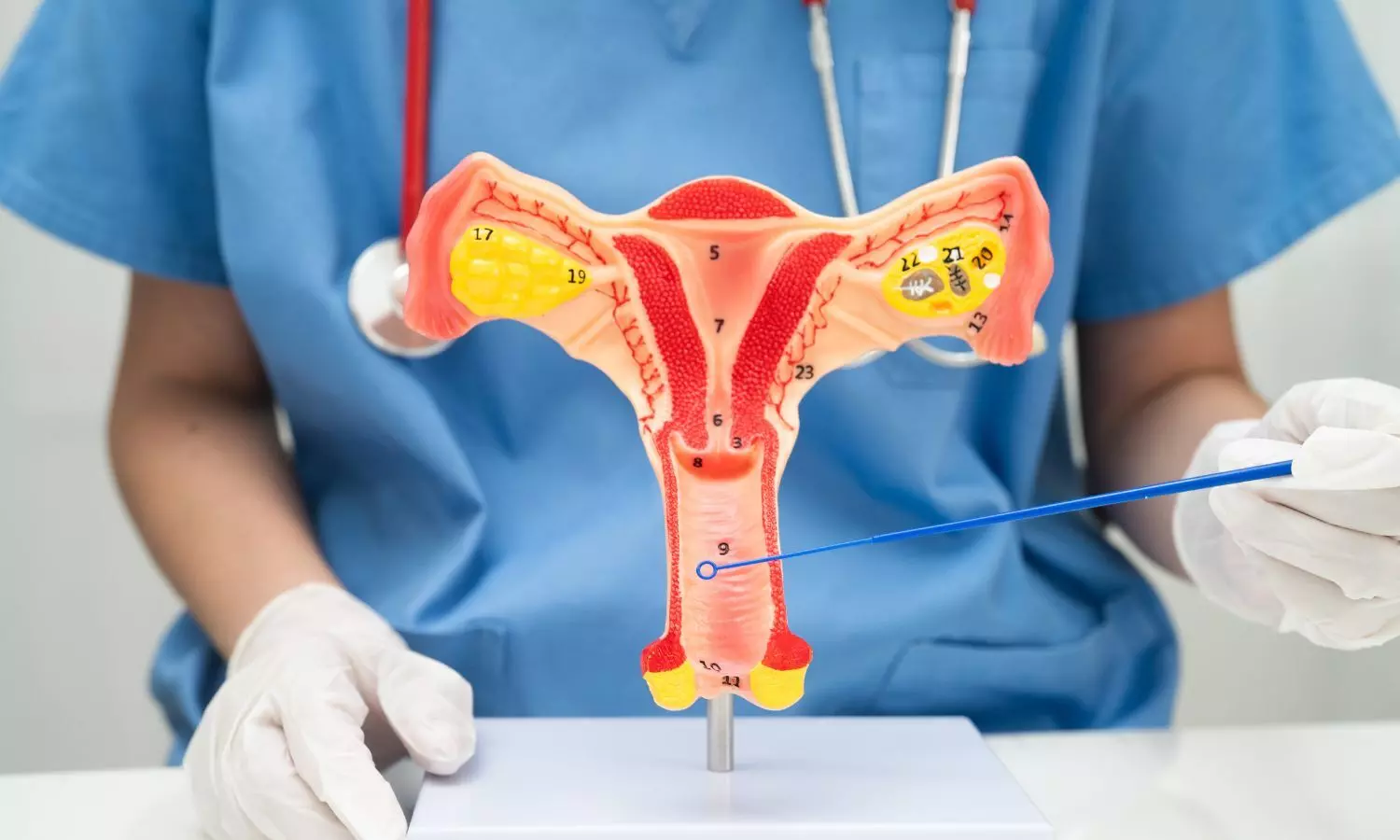


Does every CIN 2 diagnosis require immediate surgery, or can many women-especially those under 30-avoid excision and preserve fertility? Recent Chinese expert consensus delivers practical, risk-based guidance for managing this complex, intermediate-grade cervical lesion.
Understanding CIN 2: Incidence and Natural History
Cervical intraepithelial neoplasia grade 2 (CIN 2) is a moderate pre-cancerous lesion caused by persistent high-risk HPV infection. In China, 1.3% of screened women are diagnosed with CIN 2. Importantly, 50–60% of CIN 2 lesions regress spontaneously within 2 years, particularly in women younger than 30. The risk of progression to invasive cervical cancer is below 0.5% during short-term observation but rises with prolonged surveillance.
Risk Stratification: Who Needs Surgery and Who Can Wait?
Active surveillance—careful monitoring without immediate excision—is now preferred for:
Women under 25 or those 25 and over wishing to preserve fertility, if the lesion is fully visible and not extensive.
Key risk factors for progression include HPV 16/18 positivity, high-grade cytology, multi-quadrant lesions, and non-visible lesion margins on colposcopy.
Surgery (LEEP or cold knife conization) remains indicated if:
Lesions persist or progress after 2 years
CIN 3 or invasive cancer is diagnosed
Lesions become more extensive, or the upper limit cannot be visualized
Treatment Modalities: Ablation, Excision, and Newer Therapies
Ablative therapies (laser, cryotherapy, thermal ablation) are less invasive and preserve tissue but should be used only when invasive cancer is confidently excluded.
Excisional procedures (especially LEEP) are preferred when surgery is needed, with attention to minimizing excision depth to protect future pregnancy outcomes.
Photodynamic therapy is emerging as a fertility-sparing option for selected young patients.
Special Populations: Pregnancy, Menopause, and Immunosuppression
Pregnancy: Active surveillance is standard, with colposcopy reserved for high suspicion of cancer.
Postmenopausal women: Higher risk of missed diagnosis means excisional treatment is generally preferred.
Immunocompromised patients: Require individualized care and more intensive follow-up.
Long-Term Follow-Up and Health Counseling
HPV-based surveillance is recommended post-treatment, with annual follow-up for at least 25 years.
Vaccination, condom use, and smoking cessation are encouraged to reduce recurrence and promote regression.
Addressing patient anxiety and providing psychological support are essential aspects of care.
Conclusion
CIN 2 management is no longer a one-size-fits-all approach. Clinicians should weigh age, HPV status, cytology, lesion characteristics, and fertility desires to guide individual care. This nuanced strategy maximizes the chance of regression for low-risk patients while ensuring prompt treatment for those at higher risk.
Key Points
Most CIN 2 lesions in young or fertility-desiring women can be managed with active surveillance.
Surgical treatment should be reserved for persistent, progressive, or high-risk cases.
Excision depth should be minimized to protect future pregnancies.
HPV vaccination, regular follow-up, and lifestyle counseling are integral to care.
Special populations require tailored management to avoid missed diagnoses or overtreatment.
Citation:
Li M, You Z, Li J, et al. Chinese expert consensus on the management of cervical intraepithelial neoplasia grade 2 (CIN 2) (2026 edition). Gynecol Obstet Clin Med. 2026;6:e000500. doi:10.1136/gocm-2026-000500