Non-invasive Drugs Achieve 88.5 Percent Success Rate for Smaller Leiomyomas, Suggests Study
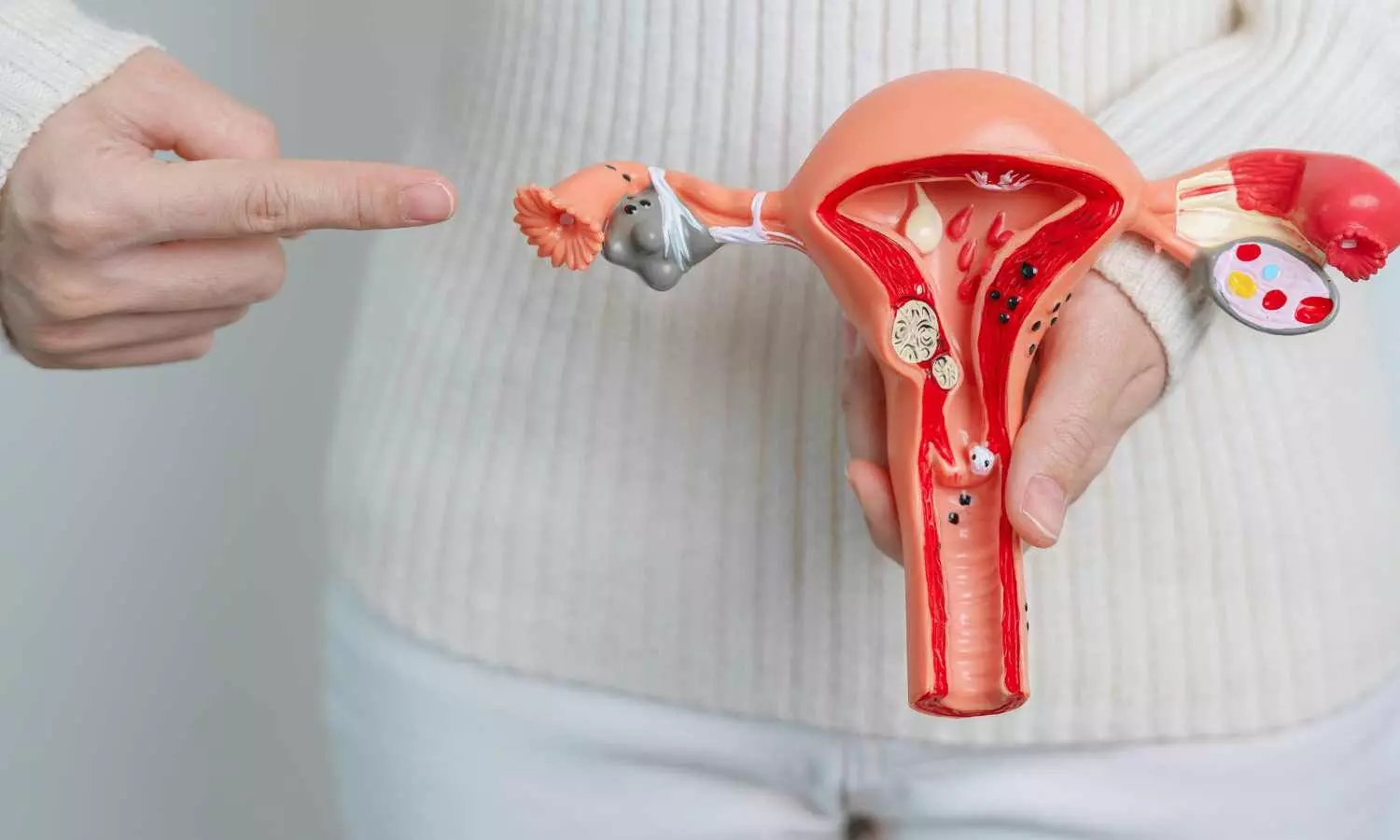


A recent retrospective study published in Indian Obstetrics & Gynaecology in June 2026 reveals that non-invasive drugs achieve an 88.5% success rate for smaller leiomyomas, while major abdominal surgery remains the necessary path for larger uterine fibroids.
Although uterine leiomyomas affect up to 80% of reproductive-aged women globally—with a prevalence of 11% to 37% in India contributing to 20% of hysterectomies according to the National Family Health Survey-4 (NFHS-4)—localized comparative data evaluating medical versus surgical therapies remain a key clinical gap. To address this, Dr. Tvisha N. Suba and colleagues from Dr. Vithalrao Vikhe Patil Foundation's (DVVPF'S) Medical College and Hospital, Ahilyanagar, conducted a study to analyze patient profiles and compare therapeutic outcomes.
Therefore, the two-year retrospective study at an Indian tertiary care hospital compared medical therapy (n = 35) against surgery (n = 65) in 100 symptomatic women, excluding patients with pregnancy, malignancy, or treatment contraindications. Researchers analyzed key outcomes, including symptom relief, fibroid size reduction, and fertility, using standard statistical methods.
Key Clinical Findings of the Study Includes:
- Cohort Demographics: The study showed 68% of patients were aged 35–55 years, with abnormal uterine bleeding (AUB) representing the most common symptom (56%) and anemia affecting 70% of cases.
- Medical Efficacy Thresholds: The study showed medical management achieved an 88.5% response rate for fibroids smaller than 8 centimeters but failed in 77.8% of cases measuring 8 centimeters or larger, requiring surgery.
- Hormonal Agent Superiority: Within the study, the levonorgestrel-releasing intrauterine system (LNG-IUS) achieved 100% symptom control, while selective progesterone receptor modulators (SPRMs) like ulipristal acetate yielded 83.3% relief and 91.7% size reduction, unlike size-neutral non-hormonal drugs.
- Surgical Distribution: In the study, surgery was required in 65% of patients, with total abdominal hysterectomy (TAH) being the most common procedure (50.8%), while myomectomy remained the preferred conservative option.
- Fertility and Conception Outcomes: For patients desiring pregnancy, this study recorded an 80% conception rate after myomectomy, compared to 75% for ulipristal acetate and 57.1% for gonadotropin-releasing hormone (GnRH) agonists, with mifepristone showing zero success.
The results suggest that while medical management offers a highly viable alternative for selected patients with small, solitary lesions—yielding an overall 71.4% success rate that spares patients from invasive operations—definitive surgical intervention remains the gold standard for the 65% of women presenting with large, multiple, or symptomatic fibroids.
Thus, the study concludes clinicians should adopt an individualized, evidence-based, and patient-centered approach that carefully weighs symptom severity, fibroid size, and reproductive goals to optimize treatment selections and enhance patient care.
Although the single-center, retrospective design and cost-related constraints on utilizing newer therapies are limitations of this analysis, they emphasize the vital need for future large-scale prospective research and standardized guidelines to improve early diagnosis and clinical pathways across India.
Reference
Suba TN, Aher G, Shinde S, Gavali U. Clinical Profile and Treatment Outcome in Uterine Fibroid. Indian Obstetrics & Gynaecology. 2026;16(2):50-56.