Oral Therapies Are Transforming Uterine Fibroid Care, but Long-Term Safety Remains Key: Review Suggests
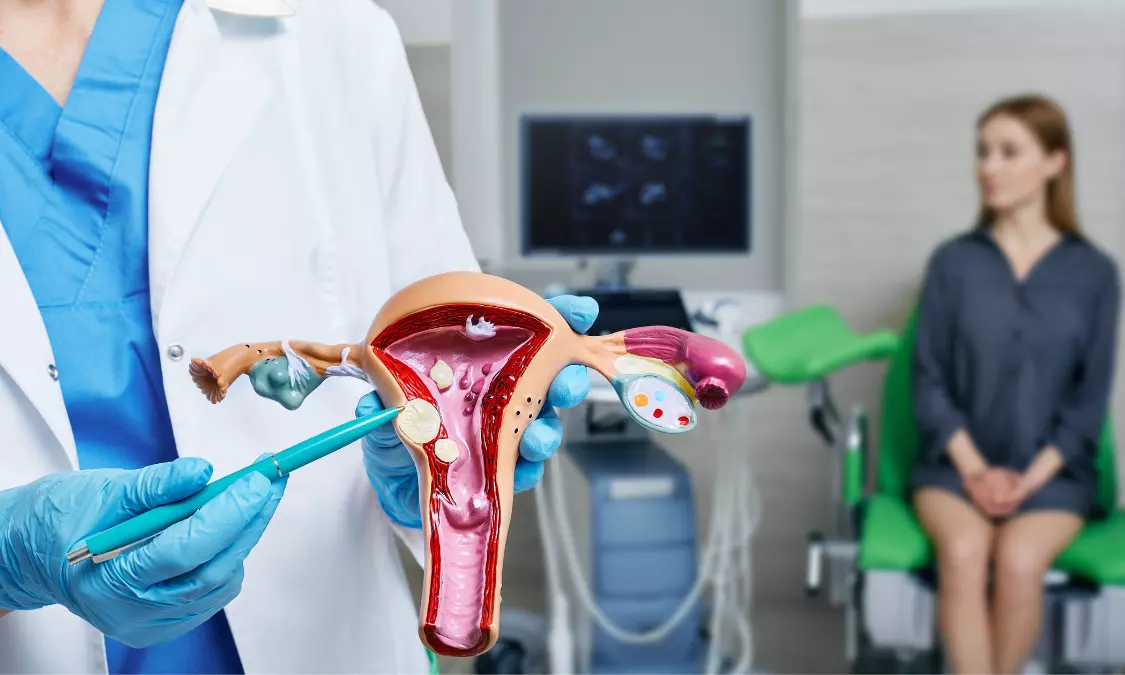


Emerging and approved oral treatments are expanding options for women with symptomatic uterine leiomyomas, but long-term safety and patient selection remain central concerns.
Uterine leiomyomas, commonly known as fibroids, remain among the most common benign pelvic tumors in women and a leading cause of heavy menstrual bleeding, anemia, pelvic pressure, infertility concerns, pregnancy complications, and hysterectomy. As clinicians seek alternatives to surgery, oral therapies are drawing renewed attention for their potential to control symptoms, reduce fibroid burden, and preserve reproductive options.
- Fibroids are highly prevalent benign tumors of the uterine smooth muscle and can cause heavy, prolonged, or irregular menstrual bleeding, anemia, pelvic symptoms, and reproductive complications.
- Risk and disease burden are not evenly distributed; studies cited in the source article describe a substantially higher incidence and more severe disease patterns among Black women compared with white women.
- Traditional management has included watchful waiting, symptom control, minimally invasive procedures, myomectomy, and hysterectomy, with treatment tailored to age, symptoms, fibroid size and location, proximity to menopause, and fertility goals.
- Oral GnRH antagonists have become a major focus because they suppress ovarian hormone production without the initial “flare” associated with older GnRH agonists.
- Vitamin D and green tea extract remain promising investigational or adjunctive approaches, but stronger randomized clinical evidence is needed before they can be considered definitive fibroid therapies.
- Safety concerns—including bone mineral density loss, liver effects, endometrial changes, cardiovascular risk, and hypoestrogenic symptoms—continue to shape how oral treatments are selected and monitored.
Although benign, uterine leiomyomas can have a major impact on daily life and long-term health. Heavy menstrual bleeding may lead to iron-deficiency anemia, while larger fibroids can distort the uterine cavity or surface and contribute to pelvic pressure, pain, infertility, recurrent pregnancy loss, and preterm labor. The condition is also a major driver of hysterectomy, creating a substantial surgical and economic burden for health systems.
Management is individualized. Clinicians typically consider symptom severity, fibroid size and location, the patient’s age, closeness to menopause, and desire for future fertility. Surgical approaches such as hysterectomy remain definitive, while myomectomy and uterine-sparing procedures may be preferred when fertility preservation is important. However, the search for effective oral options has intensified because many patients want non-surgical treatments that can reduce bleeding and improve quality of life.
Oral GnRH Antagonists Lead the Modern Shift
Among oral therapies, gonadotropin-releasing hormone antagonists have emerged as the most clinically advanced class. These medicines block pituitary GnRH receptors, lowering luteinizing hormone, follicle-stimulating hormone, and estradiol levels. This hormonal suppression can reduce heavy menstrual bleeding and, in some cases, shrink fibroid volume. Unlike older GnRH agonists, antagonists avoid an initial hormone flare that can temporarily worsen symptoms.
Elagolix combination therapy and relugolix combination therapy have helped establish this approach, typically pairing the antagonist with estrogen-progestin “add-back” therapy to reduce hypoestrogenic side effects such as hot flashes and bone mineral density loss. Linzagolix has also generated attention for flexible dosing strategies, including regimens with or without hormonal add-back therapy in selected settings.
Vitamin D: Promising but Not Yet Definitive
The source article highlights Vitamin D as an antifibrotic factor that may inhibit fibroid cell growth and promote apoptosis in laboratory models. Observational findings also link lower serum Vitamin D levels with greater fibroid burden. However, the article notes that randomized controlled trials were lacking, meaning Vitamin D should be viewed as biologically plausible and potentially useful for deficiency correction rather than as a proven stand-alone fibroid treatment.
Green Tea Extract and EGCG
Epigallocatechin gallate, or EGCG, the principal catechin in green tea, is described as having antioxidant and anti-inflammatory activity. Laboratory studies cited in the source article suggest EGCG may inhibit proliferation and induce apoptosis in leiomyoma cells through multiple signaling pathways. While this makes EGCG an interesting candidate, clinical adoption depends on stronger evidence regarding dose, efficacy, safety, and long-term outcomes.
Other Oral and Systemic Candidates
The review also discusses selective estrogen receptor modulators, aromatase inhibitors, antiprogesterones, selective progesterone receptor modulators, cabergoline, danazol, gestrinone, and somatostatin analogues. Some agents have shown fibroid shrinkage or bleeding improvement in small studies, but limitations include inconsistent efficacy, off-label use, androgenic effects, endometrial changes, liver-related safety concerns, thromboembolic risk, and insufficient large randomized trial data.
As oral therapy expands, safety monitoring remains central. Hormone-suppressing drugs can affect bone density and cause menopausal-type symptoms, while some progesterone receptor modulators have been associated with endometrial changes or liver-related concerns. Treatment choice should therefore be individualized, with careful assessment of contraindications, fertility plans, anemia severity, symptom burden, and the expected duration of therapy.
Oral treatment for uterine fibroids has moved from a largely experimental concept toward a more practical clinical reality, especially with GnRH antagonist combination regimens. Still, the field remains cautious: the best candidates, optimal duration, long-term safety profile, and role of supplements or investigational agents require continued study. For patients, the key message is that fibroid care is becoming more personalized, with expanding medical options that may help reduce reliance on major surgery.
Source: Hindawi Publishing Corporation Obstetrics and Gynecology International
Volume 2012, Article ID 943635, 10 pages
doi:10.1155/2012/943635