Prophylactic internal Iliac artery balloon occlusion reduces hemoglobin drop in Placenta accreta cesarean: Study
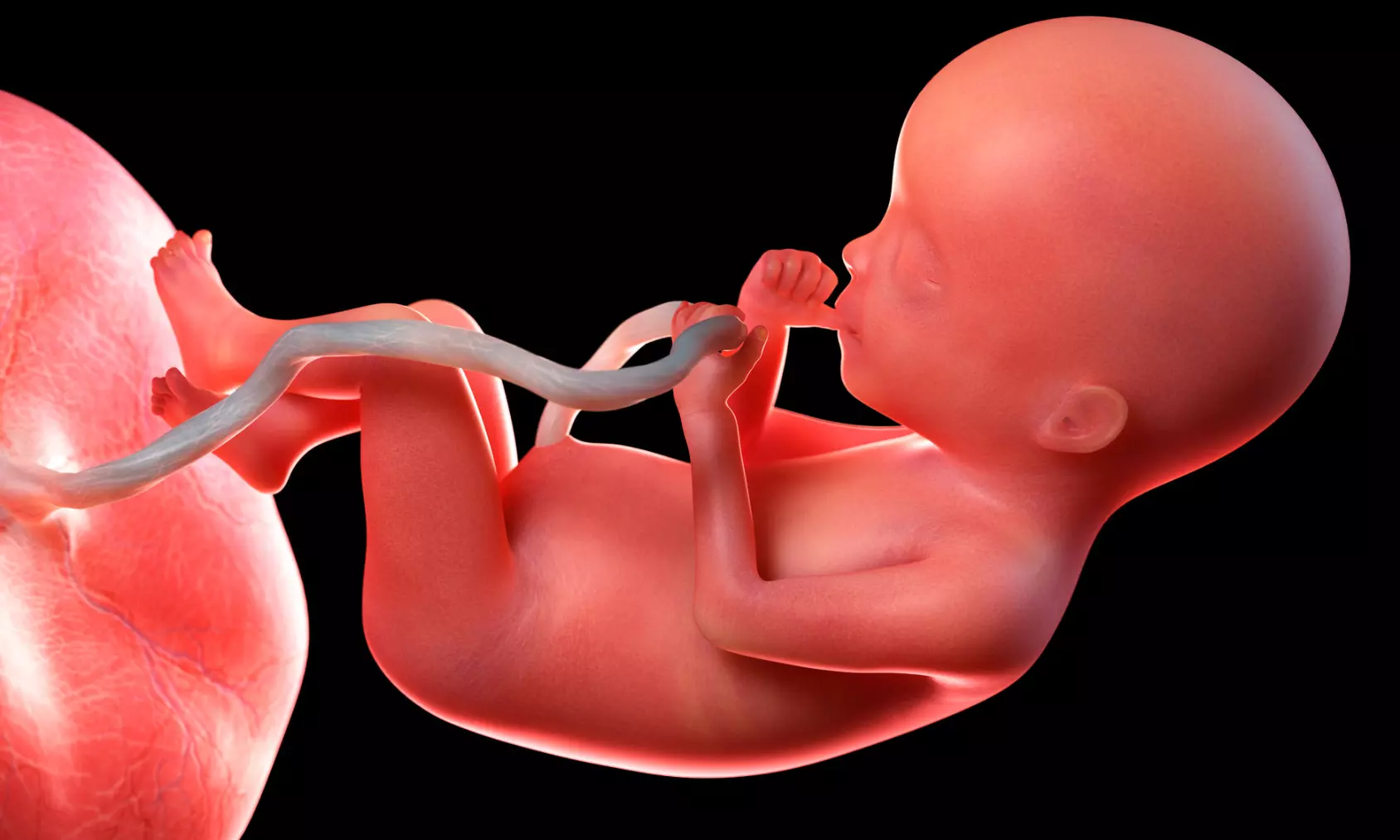


Placenta accreta spectrum (PAS) disorder, characterized by abnormal placental invasion into the uterine wall, is a growing concern in obstetrics, especially with increasing caesarean rates. Managing massive blood loss during caesarean for PAS remains one of the greatest clinical hurdles, often resulting in significant maternal morbidity and complex surgical interventions. Despite multidisciplinary approaches improving maternal outcomes, the effectiveness of interventional radiology—specifically prophylactic internal iliac artery balloon occlusion (IIABO)—has remained controversial.
A recently published retrospective cohort study, published in the Journal of Obstetrics and Gynaecology, analyzed maternal and foetal outcomes of managing placenta accreta spectrum (PAS) disease with and without prophylactic internal iliac artery balloon occlusion (IIABO) at a tertiary hospital between 2002 and 2021 and evaluated IIABO prophylactic perioperative role in PAS disease.
Patients diagnosed with PAS pathologically or clinically during laparotomy with focus on PAS cases diagnosed antenatally, regardless of whether the delivery was elective or emergency, were included in the study. From 2002 to 2021, 53 histologically or clinically confirmed placenta accreta spectrum diseases were identified out of 86,465 deliveries.
Thirty-one antenatally diagnosed PAS patients were analyzed (IIABO n = 21, non-IIABO n = 10). Over 90% patients had at least one prior caesarean delivery.
Maternal and foetal outcomes were compared between those who underwent IIABO before caesarean delivery and those who did not, both receiving standardized multidisciplinary care. Primary outcomes included perioperative haemoglobin drop. Secondary outcomes included estimated blood loss, transfusion rate, operative duration, ICU stay, hysterectomy rates, and newborns’ Apgar scores.
Key findings -
The IIABO group had significantly less peri-operative haemoglobin drop (1.3g/dL vs 2.5 g/dL, p < 0.001). Higher postoperative haemoglobin levels were recorded both immediately after surgery (10.4 ± 1.3 g/dL vs 8.6 ± 0.8 g/dL, p < 0.001) and within 5 days post-operatively (8.5 ± 1.5 g/dL vs 7.5 ± 1.0 g/dL, p = 0.047) in the IIABO group. Median estimated blood loss was lower in the IIABO group (2500 mL vs. 4085 mL).
There were no differences in transfusion rate, operation time or ICU stay. No patients experienced procedure-related complications from IIABO. No significant differences were observed in 1-minuteApgar scores (IIABO: 6 [5, 7.25] vs non-IIABO: 7 [6, 8], p = 0.190), 5-minute Apgar scores (both 9 [8, 10], p = 0.411), or birthweight (IIABO: 2.44 ± 0.33 kg vs non-IIABO: 2.37 ± 0.48 kg, p = 0.601). There was no maternal death.
The study found that IIABO before caesarean for placenta accreta reduced peri-operative haemoglobin drop and less intra-operative blood loss.
Strength of the retrospective cohort was that it adopted accreta care protocol, and had similar background characteristics, hysterectomy rates, and pathologies in both groups, minimizing bias. The limitation was the small sample size.
Prophylactic IIABO in caesarean for PAS is associated with less intraoperative blood loss and haemoglobin drop, with potential benefits from IIABO under local anaesthesia, reducing risks of extended general anaesthesia. Larger studies are recommended to support IIABO in PAS disorders.
HIGHLIGHTS:
• The IIABO group had significantly less peri-operative haemoglobin drop.
• Higher postoperative haemoglobin levels were recorded both immediately after surgery and within five days post-operatively in IIABO group.
• No differences were seen in operative time, ICU stay, hysterectomy rates, or newborn Apgar scores.
• No IIABO-related complications were reported.
REFERENCE: Chan, Y. Y. Y., Yu, E. L. M., & Lo, T. K. (2025). Prophylactic internal iliac artery balloon for caesarean in placenta accreta reduces haemoglobin drop – Retrospective comparative study. Journal of Obstetrics and Gynaecology, 45(1). https://doi.org/10.1080/01443615.2025.2495600