
Rethinking Induction: Membrane Sweeping Delivers Efficient Cervical Ripening Without Extra Oxytocin, Study finds
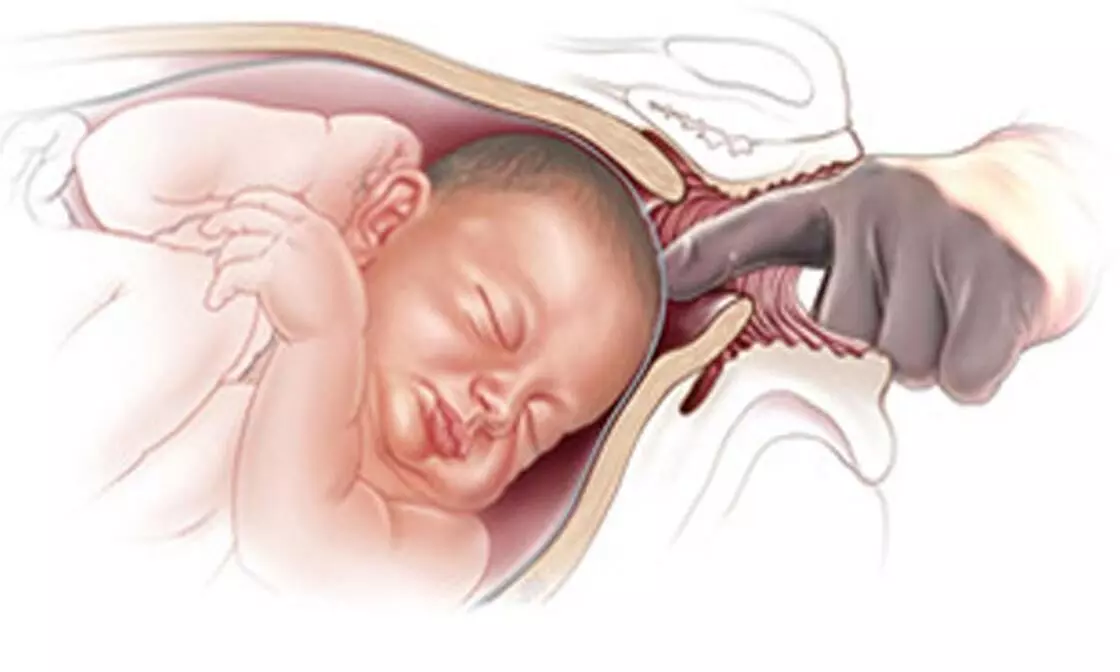


Could a simple bedside procedure rival a mechanical device for cervical ripening-while reducing intervention and streamlining labor? For clinicians seeking effective, patient-centered strategies for labor induction, new research in AJOG MFM offers timely insights.
Background: Revisiting the Tools of Cervical Ripening
Cervical ripening is a cornerstone of labor induction, especially when the cervix is unfavorable for direct induction with oxytocin. Traditionally, methods include pharmacologic agents (like prostaglandins), and mechanical options such as the double-balloon catheter—a device that physically dilates the cervix and stimulates natural prostaglandin release. Membrane sweeping, on the other hand, is a low-tech, office-based maneuver that promotes labor onset by separating the membranes from the lower uterine segment, triggering local prostaglandin and cytokine release.
Study Design: Randomized Head-to-Head Comparison
This single-center randomized controlled trial enrolled 114 term pregnant patients (≥37 weeks) requiring cervical ripening, excluding those with prior cervical procedures or cesarean deliveries. Participants were randomized to either:
Membrane sweeping (performed twice, 4–6 hours apart)
Double-balloon catheter (inserted for up to 12 hours)
The primary outcome was the change in Bishop score (a standardized measure of cervical readiness) after 12 hours. Secondary outcomes included time to delivery, oxytocin use, pain scores, satisfaction, and maternal/neonatal outcomes.
Key Findings: Comparable Efficacy, Fewer Interventions
Change in Bishop score at 12 hours was equivalent between groups, confirming that membrane sweeping is noninferior to the double-balloon catheter.
Oxytocin use was significantly lower with membrane sweeping (63.8% vs 94.3%).
Delivery room stay was shorter in the membrane sweeping group (median 8.9 vs 12.8 hours).
More patients delivered within 16 hours after membrane sweeping (35.1% vs 16%), with a similar trend at 20 hours.
Importantly, there were no differences in adverse obstetric or neonatal outcomes between groups.
Clinical Implications: Simpler, Patient-Centered Care
For busy obstetric units, these findings suggest that membrane sweeping—a low-cost, minimally invasive procedure—can achieve cervical ripening outcomes on par with mechanical methods like the double-balloon catheter. The reduction in oxytocin use and shorter delivery room stays may improve patient flow and resource utilization. Patient experience was also similar across groups, with moderate pain and high willingness to repeat the procedure.
Conclusion
Membrane sweeping is a safe, effective, and resource-efficient alternative to double-balloon catheterization for cervical ripening at term. These results support its broader use, especially for patients seeking less invasive options and for practices aiming to optimize efficiency without compromising outcomes.
Key Points
• Membrane sweeping is noninferior to the double-balloon catheter for cervical ripening at term.
• Oxytocin use and delivery room stay are both significantly reduced with membrane sweeping.
• Rates of vaginal delivery, cesarean section, and neonatal outcomes are similar between groups.
• Membrane sweeping can be performed in outpatient or inpatient settings, requiring no specialized equipment.
• This approach may improve clinical efficiency and patient satisfaction in labor induction protocols.
Citation: Izakson R, Weinberg M, Lidsky-Sachs D, et al. Membrane sweeping vs double-balloon catheter for cervical ripening: a randomized controlled trial. AJOG MFM. 2026;8:102035. doi:10.1016/j.ajogmf.2026.102035
