
Study Discovers Distinctive Ultrasound Signs for Early Detection of Primary Fallopian Tube Carcinoma
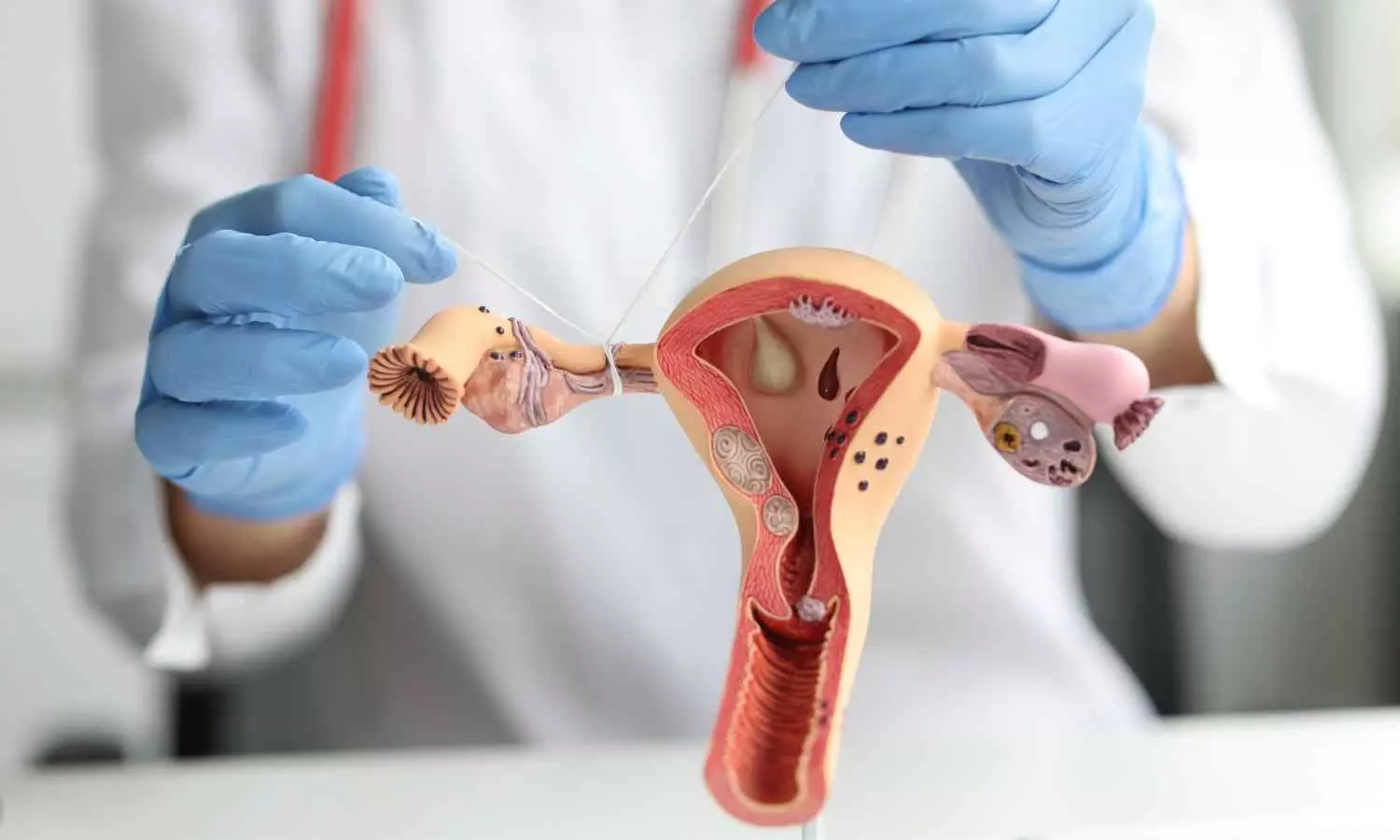


How do you spot a rare cancer before it spreads? Primary fallopian tube carcinoma (PFTC)—often mistaken for ovarian cancer—remains a diagnostic challenge for gynecologists and sonographers. A large single-institution study of 280 cases, published in Archives of Gynecology and Obstetrics, provides valuable new clinical and ultrasound clues to improve early recognition and patient outcomes.
Study Design and Patient Population
Retrospective cohort: 280 women with histologically confirmed PFTC, treated and imaged at a tertiary center in China (2020–2024).
Exclusion criteria: Prior chemotherapy, prior salpingectomy, or lesions too small for ultrasound detection.
Data collected: Demographics, symptoms, CA125, ultrasound findings (transvaginal ± transabdominal), lesion location, and pathology.
Key Clinical and Ultrasound Findings
Symptoms: Only 35.7% reported abdominal pain/bloating; 42.1% were asymptomatic. Vaginal discharge was less common (20.7%).
Histology: High-grade serous carcinoma was overwhelmingly predominant (95.4%).
Mass characteristics: Most lesions were unilateral (47.1%), with a significant minority bilateral (31.4%).
Ultrasound patterns:
Oval masses were most common (58.2%), not the classic “sausage” shape previously emphasized.
Solid or mainly solid texture in 82.5% of cases.
High vascularity (color Doppler grade 3) was seen in nearly 70% of tumors.
Endometrial fluid was present in 28.6%—a clue rarely highlighted in prior literature.
CA125 levels: Higher with ovarian-dominant lesions (median 366 U/mL) than with tube-dominant lesions (median 91 U/mL). Ovarian-dominant masses were also larger in diameter.
Why These Findings Matter
Early diagnosis is crucial: PFTC often spreads early and mimics ovarian malignancy. Recognizing non-classic presentations—such as oval, highly vascularized masses and endometrial fluid—can prompt earlier intervention.
“Small primary, large metastatic” pattern: Ovarian or peritoneal lesions may overshadow a small tubal primary, especially in advanced cases. This underscores the importance of careful imaging review and correlating CA125 trends with lesion distribution.
Diagnostic accuracy: Ultrasound correctly identified the dominant lesion in two-thirds of cases, but overlap with other pelvic pathologies remains a challenge.
Limitations and Future Directions
The retrospective, single-center design may limit generalizability; further multicenter studies are warranted.
Subjective assessment of mass shape and imaging slice selection may affect reproducibility.
Conclusion
Abdominal pain and endometrial fluid are key but often overlooked signs of primary fallopian tube carcinoma. Oval, highly vascular solid masses—especially with high Doppler signal—should raise suspicion. Improved awareness of these patterns may support earlier diagnosis and better prognosis for this rare but aggressive cancer.
Key Points
Most PFTC cases present with abdominal pain or are asymptomatic; vaginal discharge is less common than traditionally thought.
Oval solid masses with high vascularity are the most frequent sonographic finding; “sausage-shaped” lesions are rare.
Endometrial fluid is a notable ultrasound clue, helping differentiate PFTC from ovarian cancer.
CA125 and lesion diameter are greater in ovarian-dominant versus tubal-dominant disease.
Ultrasound accuracy for identifying lesion origin is about 67%, highlighting the need for vigilance and correlation with clinical data.
Citation:
Gao L, Huang R, Yang X, Kong F, Zhao F. Clinical and ultrasound characteristics of primary fallopian tube carcinoma: a single-institution retrospective study of 280 cases. Archives of Gynecology and Obstetrics. 2025;312:2311–2319. doi:10.1007/s00404-025-08236-8
