
Study Suggests Paracervical Block Use During IUD Insertion Is Uneven—Who Gets Pain Control and Who Doesn’t?


Why Paracervical Blocks Matter for IUD Insertion
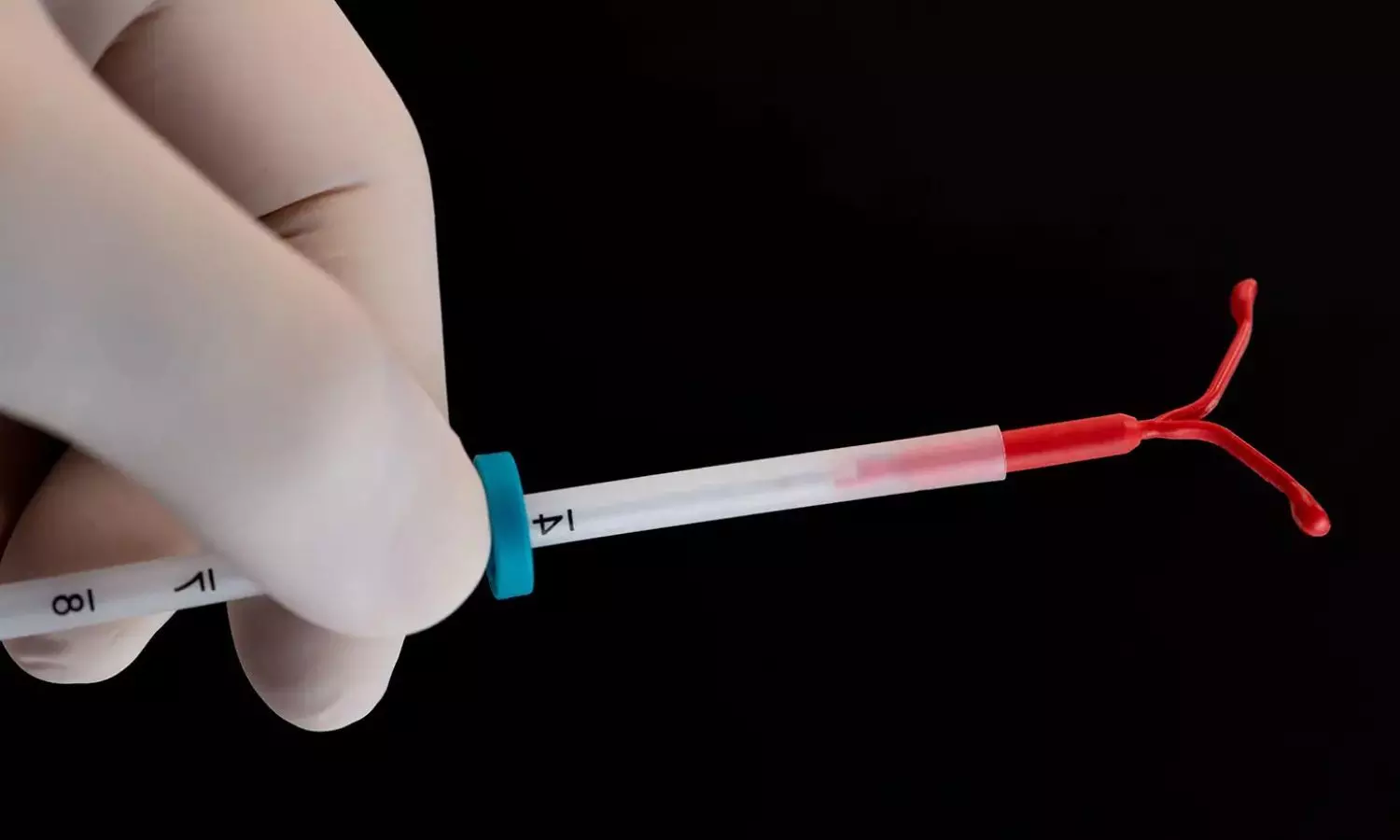
Intrauterine devices (IUDs) are a leading choice for contraception, boasting high effectiveness and versatility. However, the insertion procedure can be painful for many, with significant numbers of patients describing the discomfort as severe or “unacceptable.” This pain is not just a momentary issue—it can deter people from choosing an IUD and erode trust in healthcare. Paracervical blocks, which numb the cervix with local anesthetic, are a proven way to reduce pain during IUD insertion, but how widely are they actually used?
The Study: Who Gets a Paracervical Block?
Researchers at the University of California, San Francisco reviewed over 13,700 IUD insertions from 2012 to 2024 to see how often paracervical blocks were used and what factors affected their use. They looked at variables like clinic specialty, appointment length, patient-clinician familiarity, patient age, race/ethnicity, and language preference.
Key findings included:
Only 39% of IUD insertions included a paracervical block.
Use was highest in OB-GYN clinics and much lower in primary care, family medicine, adolescent, and pediatric clinics.
Short appointments and those near the end of a shift were less likely to include a block.
Patients whose clinicians had seen them before were more likely to receive a block.
Experienced clinicians used paracervical blocks more often.
Who Is Less Likely to Receive Pain Relief?
Latine patients and those preferring a non-English language had lower odds of receiving a block, even after accounting for other factors.
Patients under 18 were less likely to get a paracervical block, mostly because their care happened in pediatric and adolescent medicine clinics where blocks were rarely or never used.
There was wide variation between clinics and individual clinicians, with some using blocks almost always and others almost never.
Why the Differences? Barriers and Opportunities
The study suggests that differences in training, clinic policies, and logistics (like appointment time and length) play a big role in whether patients receive pain relief. In some clinics, lack of training or clear guidelines may prevent clinicians from offering blocks. Time pressure and scheduling also matter—when appointments are rushed, pain management takes a back seat.
Humanizing the Issue: Why Equity in Pain Control Matters
Pain during IUD insertion is not a trivial concern—it affects people’s willingness to use this effective form of birth control and shapes their trust in medical care. Disparities in pain management, especially for young, Latine, or non-English speaking patients, are not just statistical—they reflect real gaps in compassionate care.
5 Key Takeaways:
Only about 4 in 10 IUD insertions included a paracervical block for pain relief.
Usage was much higher in OB-GYN clinics than in primary care or pediatric settings.
Latine, young, and non-English speaking patients had lower odds of receiving a block.
Time constraints, clinician experience, and lack of prior relationship lowered the odds.
Improving training, clinic policies, and appointment scheduling could boost equitable access to pain control.
Citation:
Roger JM, Costello J, Young H, et al. Use of Paracervical Blocks for Patients Who Undergo Intrauterine Device Insertion. JAMA Network Open. 2026;9(4):e268406. doi:10.1001/jamanetworkopen.2026.8406
