
Study Suggests Remote Hospital Monitoring Is Safe for Vasa Previa Patients
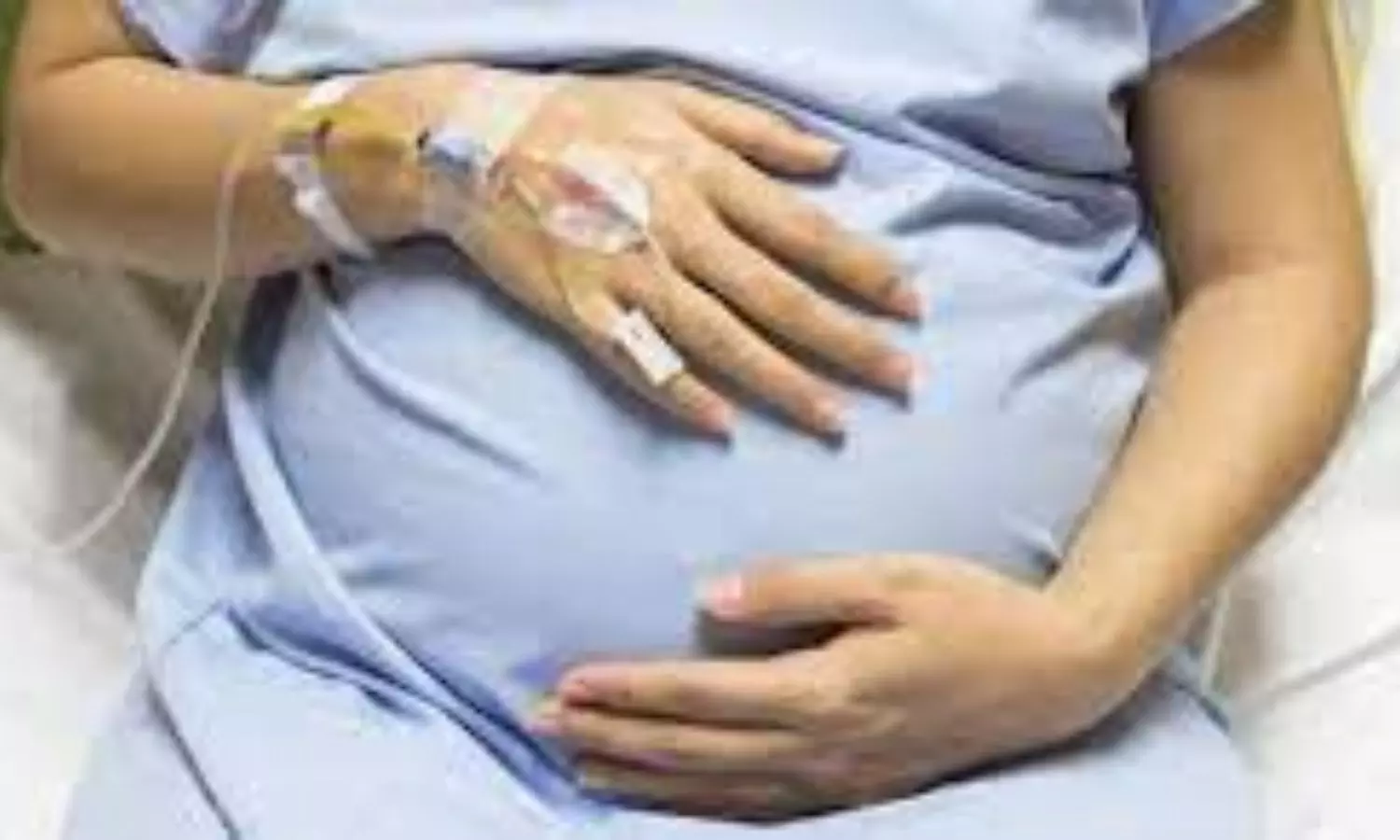


Study Suggests Remote Hospital Monitoring Is Safe for Vasa Previa Patients
Understanding Vasa Previa: A Rare but Serious Condition
Vasa previa (VP) is a rare pregnancy complication where fetal blood vessels cross or run near the internal opening of the uterus, unprotected by the placenta or umbilical cord. Historically, this diagnosis carried a high risk for newborns due to the potential for catastrophic bleeding during labor. Thankfully, advances in prenatal ultrasound mean more cases are diagnosed before labor begins, allowing for planned cesarean delivery and greatly improving outcomes.
Study Background: The Debate Over Inpatient vs. Outpatient Care
Despite these advances, there’s still debate about the best way to monitor and manage vasa previa after diagnosis. Some guidelines recommend hospital admission for close monitoring, but there’s no clear evidence to say this is superior to outpatient management. This 15-year study from a single institution set out to answer whether admitting vasa previa patients to a unit separate from labor and delivery (L&D) impacts outcomes for mothers or babies.
What the Study Did
Researchers reviewed 50 cases of singleton pregnancies diagnosed with vasa previa between 2008 and 2023. Patients were either admitted for inpatient monitoring on a unit separate from L&D, or managed as outpatients if they declined admission. Most received daily monitoring, ultrasounds, and medications to reduce preterm birth risks. The team compared outcomes between those who had inpatient care and those who did not.
Key Findings: Comparable Outcomes, No Added Risks
Of the 50 patients, 38 had vasa previa that persisted until delivery, while 12 saw the condition resolve on its own.
Among those with persistent VP, 30 chose inpatient monitoring and 8 remained outpatients.
There was no significant difference in urgent or emergency cesarean deliveries between the inpatient and outpatient groups (43.3% vs. 37.5%).
Neonatal outcomes, including rates of NICU admission and complications, were similar between groups.
There were no cases of neonatal anemia or deaths related to vasa previa in either group.
Implications: Individualized Care and System Considerations
This study is the first to address whether the physical location of inpatient monitoring—remote from L&D—affects maternal or neonatal outcomes. The findings suggest that with proper protocols and rapid response systems, monitoring patients in a separate hospital unit is just as safe as being closer to the operating room. The results also highlight the importance of shared decision-making, as some patients may prefer outpatient management based on personal circumstances.
Takeaway Bullet Points
Vasa previa is a rare but potentially severe pregnancy complication best managed with early diagnosis.
Remote inpatient monitoring (not directly adjacent to L&D) did not increase risk for mothers or babies.
No difference in urgent cesarean rates or neonatal outcomes was found between inpatients and outpatients.
Effective protocols and timely response are key when monitoring vasa previa away from L&D.
Shared decision-making is vital to match management strategies with patient needs and hospital resources.
Citation:
Rincon M, Rhodes H, Boniface E, Pereira L, D’Mello RJ, Hayer S, Hermesch A, Sun RC, Sohaey R, Chon AH. The natural history and management of vasa previa: a single institution’s 15-year experience managing patients remote from labor and delivery. BMC Pregnancy and Childbirth. 2025;25:581. https://doi.org/10.1186/s12884-025-07708-8
