
TENS Improves Quality of Life and Reduces Analgesic Use in Endometriosis: Study
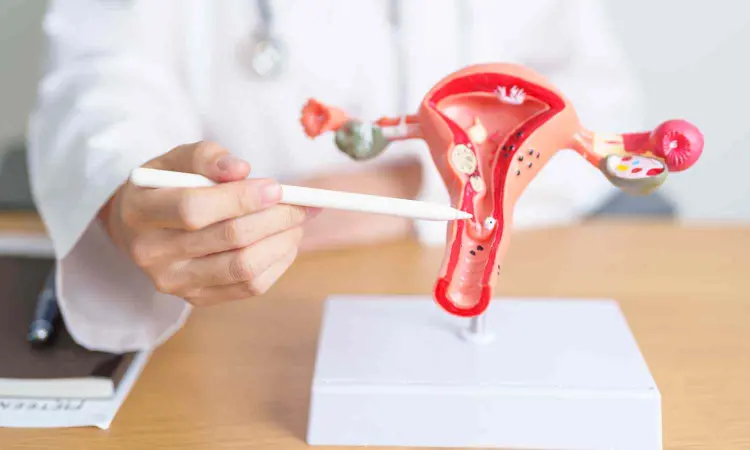


A new clinical study published in the European Journal of Obstetrics, Gynecology, and Reproductive Biology suggests that the use of transcutaneous electrical nerve stimulation (TENS) was associated with a significant improvement in quality of life (QOL) among patients with endometriosis and led to a reduction in ibuprofen use. Although not statistically significant, TENS also showed trends toward reduced pain, improved sexual function, and decreased acetaminophen use, which suggested potential additional benefits that warrant further study
The primary objective of the study was to measure changes in pain intensity using daily self-reported Visual Analogue Scores (VAS) during episodes of endometriosis-related discomfort. Secondary goals included assessing quality of life through the Endometriosis Health Profile-30 (EHP-30) questionnaire and evaluating sexual function using the Female Sexual Function Index (FSFI).
This trial at a single academic institution with a dedicated endometriosis center included women aged 18 to 45 with surgically confirmed endometriosis who experienced regular monthly pain flares and had never previously used TENS therapy. Individuals who were pregnant or breastfeeding, had contraindications to electrical stimulation, were recovering from recent surgery, or expected to undergo treatment changes during the study period were excluded.
During the first 3 months, the participants entered a baseline phase in which they managed pain without TENS therapy. This period was followed by a 3-month treatment phase in which participants self-administered TENS during pain flares. Surveys measuring quality of life and sexual function were completed at both the beginning and end of the study.
The results showed that average pain scores on the Visual Analogue Scale decreased by 2.29 points during the treatment period. Despite this reduction not reaching statistical significance, it suggested an effective clinical improvement for many participants.
Scores on the Endometriosis Health Profile-30 improved by 16.57 points, which indicated better daily functioning and reduced symptom burden. This research identified this as the strongest proof that supports TENS as a beneficial adjunct therapy. Sexual function scores also improved, increasing by 3.86 points on the Female Sexual Function Index.
The participants reduced their average daily ibuprofen intake by 93 mg which was a statistically significant decrease. Acetaminophen use dropped by 123 mg on average, although this reduction was not statistically significant. While pain reduction and improvements in sexual function were not statistically definitive, the therapy produced clear gains in quality of life and reduced reliance on anti-inflammatory medication.
Source:
Li, L., Moyer, R., Stetter, C., & Riley, K. (2026). A pre-post prospective study on the use of Transcutaneous Electrical Nerve Stimulation (TENS) unit in the management of endometriosis pain. European Journal of Obstetrics, Gynecology, and Reproductive Biology, 321(115042), 115042. https://doi.org/10.1016/j.ejogrb.2026.115042

