Testosterone and DHEA May Protect Heart and Brain Health in Premature Ovarian Insufficiency: Study
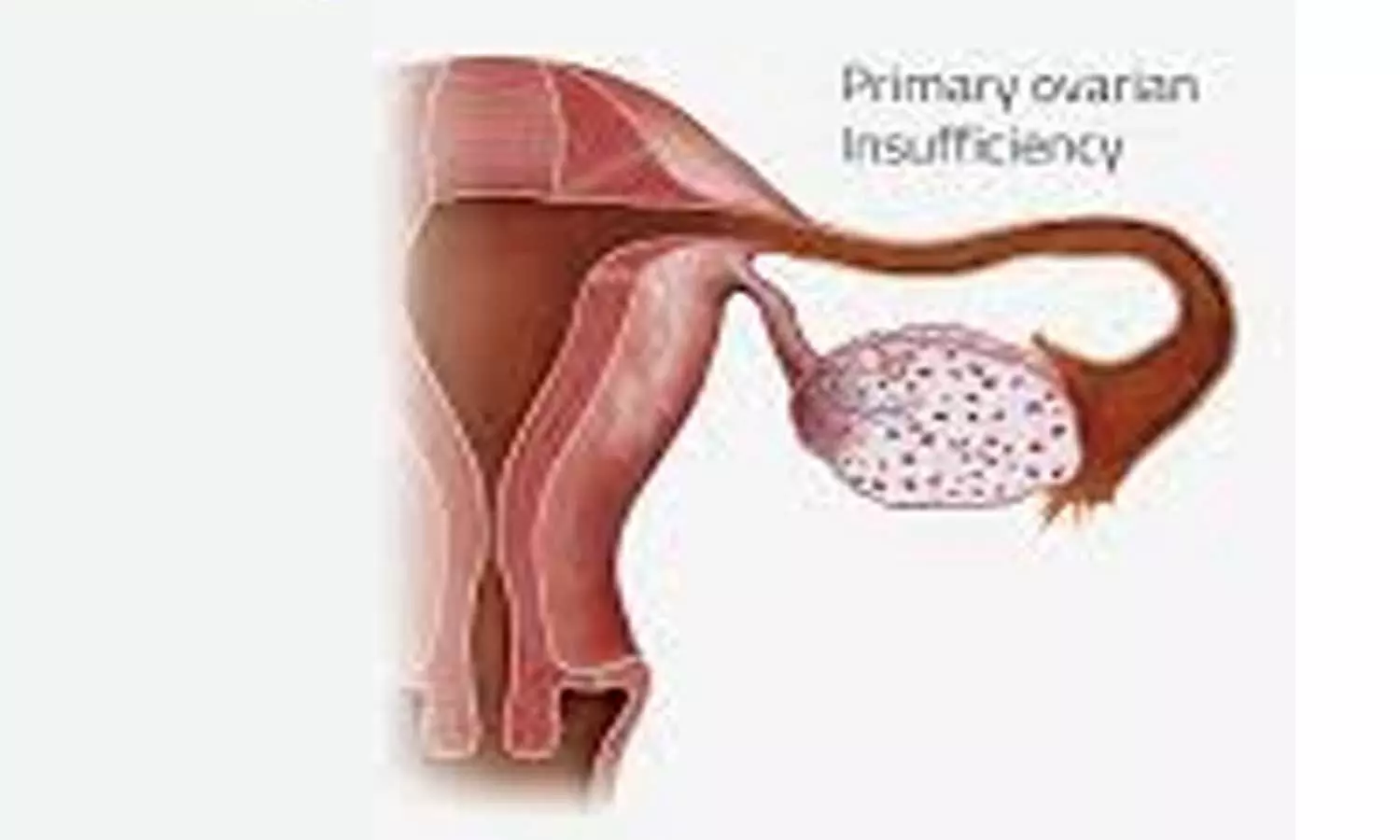


A recent randomized trial published in the Indian Obstetrics & Gynaecology in June 2026 outlines a 24-month clinical trial protocol for 150 patients that could revolutionize premature ovarian insufficiency care. By restoring physiological androgen levels, this therapeutic approach aims to protect young women from heightened cardiovascular and dementia risks.
While POI affects approximately one percent of women in the general population and doubles their risk for CVD while accelerating cognitive decline, previous clinical research has focused almost exclusively on managing sexual dysfunction, leaving a significant therapeutic gap regarding non-sexual health outcomes. To address this critical gap, Dr. Aqsa Akram, a senior registrar in the Department of Obstetrics & Gynaecology at Fatima Memorial Hospital in Lahore, Pakistan, has articulated a compelling scientific rationale and designed a randomized controlled trial (RCT) protocol to investigate the cardioprotective and neuroprotective efficacy of testosterone and dehydroepiandrosterone (DHEA) supplementation.
Therefore, the 24-month, double-blind trial at Fatima Memorial Hospital randomises 150 women with premature ovarian insufficiency on stable hormone therapy into groups receiving standard treatment, daily transdermal testosterone, or oral dehydroepiandrosterone. Excluding patients with hormone-sensitive cancers or a history of hormone-sensitive cancers, the study evaluates primary cognitive and cardiovascular outcomes alongside secondary body composition metrics.
Key Clinical Findings of the Study Include:
• Cardiovascular Risk: Patients with POI experience a twofold higher risk of CVD, making endothelial evaluation a primary therapeutic target for this clinical trial.
• Cognitive Protection: Ovarian hypoandrogenism is hypothesized to accelerate long-term cognitive decline, which will be measured objectively using a computerized neurocognitive battery.
• Sarcopenia Mitigation: Reduced anabolic drive in these patients leads to loss of lean body mass, which the trial will evaluate using dual-energy X-ray absorptiometry (DXA) scans.
• Physiological Replacement: The trial compares daily doses of 300 mcg transdermal testosterone and 50 mg oral DHEA to restore premenopausal androgen levels safely.
• Vascular Health: The study is statistically powered to detect a 2.0% mean difference in flow-mediated dilation (FMD) while tracking carotid intima-media thickness (CIMT) changes.
The results suggest that adding physiological androgen replacement—either 300 mcg daily transdermal testosterone gel or 50 mg daily oral DHEA—to standard HRT could significantly preserve cognitive function and optimize cardiovascular health over a 24-month period. This clinical paradigm shift aims to move POI management from acute symptom relief to comprehensive, long-term preventative healthcare for young women.
Thus, the study concludes that clinicians may eventually utilize these findings to guide personalized hormone therapies that target comprehensive, long-term health preservation in patients with POI.
While potential challenges include managing patient adherence to the daily topical gel over two years and monitoring for minor androgenic side effects, this work highlights a vital need for future large-scale research to establish definitive clinical guidelines for non-sexual health outcomes.
Reference
Akram, A. (2026). Beyond Vasomotor Symptoms: A Rationale and Protocol for a Randomized Controlled Trial of Testosterone and DHEA on Cognitive and Cardiovascular Health in Premature Ovarian Insufficiency. Indian Obstetrics & Gynaecology, 16(2), 37-42.