
Visual Distraction Reduces Pain in Hysteroscopy: Data from the VISION-HYST Pilot Trial
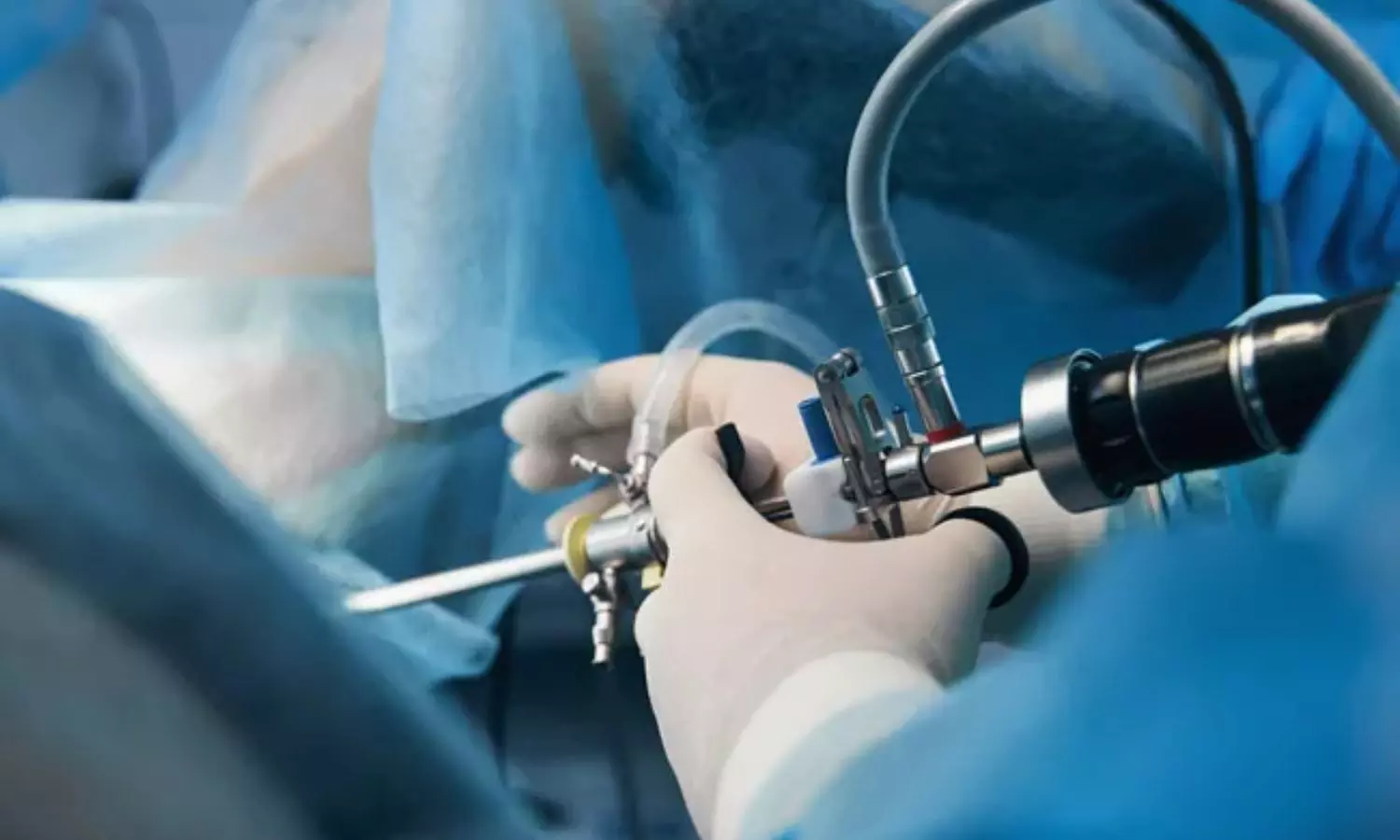


Can a simple change to the clinical environment make office hysteroscopy significantly more tolerable for your patients? Many clinicians have seen patients struggle with pain and anxiety despite advances in minimally invasive techniques and the use of nitrous oxide (N₂O) analgesia. The VISION-HYST randomized controlled pilot trial offers fresh insight on the power of non-pharmacological interventions—specifically, the incorporation of visual distraction during office hysteroscopy.
Aims and Study Design: Exploring the Role of Environment
The VISION-HYST study, published in Clinical and Experimental Obstetrics & Gynecology, set out to evaluate whether adding a multisensory clinical environment—namely, a wall-mounted “virtual window” displaying calming natural scenes—could reduce pain during office hysteroscopy. Fifty women, ages 25–60, undergoing outpatient operative hysteroscopy were randomized to receive either standard N₂O analgesia alone (control) or N₂O plus visual environmental distraction (intervention). Pain was measured immediately post-procedure using a standard 10-point numerical rating scale, with secondary outcomes including need for operating room referral and procedure feasibility.
Key Findings: Significant Pain Reduction with Visual Distraction
The results were striking. Patients in the intervention group reported mean pain scores of 3.1 (±1.5) compared to 5.8 (±1.9) in the control group—a statistically significant reduction (p < 0.001). This effect was consistent across both the types of hysteroscopic instruments used and patient parity, though multiparous women appeared to benefit most. Importantly, the addition of visual distraction did not increase adverse events or procedural failures.
Mechanisms: Why Might Visual Distraction Work?
Pain perception in hysteroscopy is multifactorial, shaped by not just procedural factors, but also by psychological elements like anxiety. Visual distraction likely works by shifting the patient’s attention away from painful stimuli and toward relaxing sensory input, thereby dampening the brain’s pain response. This aligns with the broader concept of “healing environments” in medicine, where optimizing sensory cues—light, sound, and visuals—can help reduce stress and improve procedural experiences.
Clinical Implications: Practical, Safe, and Scalable
For busy gynecology clinics, the message is clear: Integrating simple, non-immersive visual distraction (such as a virtual window) into standard outpatient settings is feasible, safe, and effective for reducing pain. While this was a pilot study, the findings suggest that environmental interventions can meaningfully enhance patient comfort and potentially expand the role of office-based gynecologic procedures.
Conclusion
Simple environmental enhancements—like visual distraction—offer a promising, low-cost way to improve patient tolerability and satisfaction during office hysteroscopy. As we strive for more patient-centered care, these findings highlight the clinical value of addressing both physical and psychological aspects of procedural pain.
Key Points
A wall-mounted “virtual window” with calming scenes reduced pain during office hysteroscopy.
The intervention group’s pain score averaged 3.1 vs. 5.8 in controls (p < 0.001).
Benefits held across both device types and patient parity, especially for multiparous women.
No increase in adverse events or procedural failures was observed.
Simple visual distraction is practical, safe, and easily added to outpatient settings.
Citation:
Messina A, Libretti A, Alessi P, et al. Impact of a Multisensory Clinical Environment on Pain and Patient Experience During Office Hysteroscopy: The VISION-HYST Randomized Controlled Pilot Trial. Clinical and Experimental Obstetrics & Gynecology. 2026;53(7):53148. doi:10.31083/CEOG53148
