
Study Suggests Most Pregnant Women Fall Short of Exercise Guidelines—Unless Everyday Activity Counts
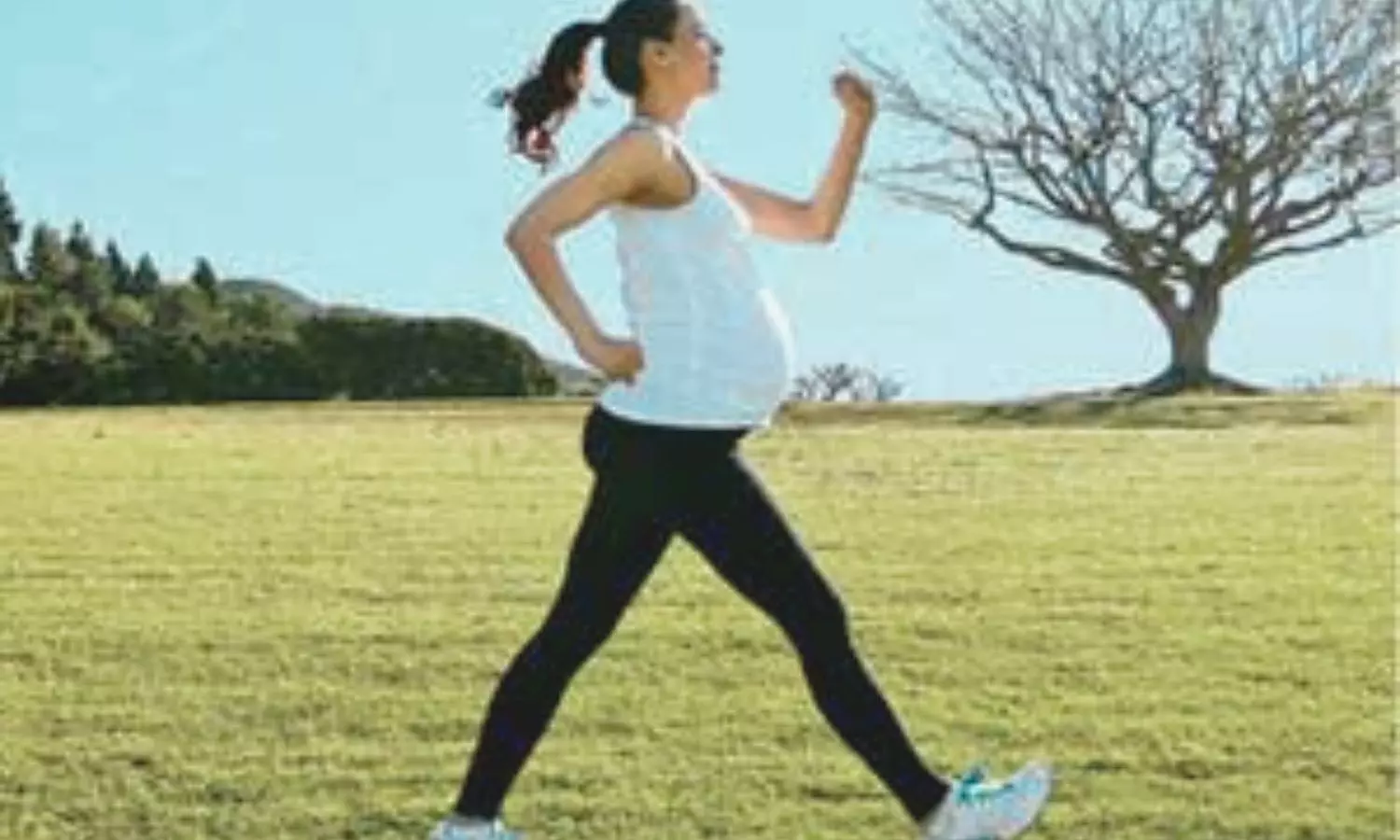


Moving Beyond the Gym: How Moms-to-Be Keep Active
Staying active during pregnancy isn't just a nice idea—it’s linked to healthier weight, lower risk of complications like gestational diabetes, and even improved mental health. But how active are pregnant women, really? A new analysis from the massive French ELFE national birth cohort shines a light on the true patterns of physical activity in late pregnancy—revealing that most women don’t meet exercise guidelines if we only count traditional workouts, but the story changes when we include everyday activities.
The Big Picture: What Did Researchers Find?
The study looked at over 14,000 French women who gave birth in 2011, using detailed questionnaires to track their physical activity during the last trimester. Here’s what they discovered:
Leisure-time exercise (LTPA): While 92% of women did some kind of leisure activity (like walking, swimming, or prenatal yoga), only 28% actually met the recommended 150 minutes of moderate activity per week.
Counting all movement: When household chores, caregiving, work, and transportation (like walking to the store) were included, a striking 86% of women met the guidelines.
Household and caregiving tasks accounted for nearly half of all physical activity energy expenditure—by far the biggest contributor.
Sedentary time: The median time spent sitting was 6.5 hours per day, with 2 hours devoted to TV or videos.
Who’s Most Active—and Why?
The study also dug into which women were most likely to meet activity guidelines. Women who were younger, single, had lower incomes, or less education were less likely to exercise for leisure, but actually had higher overall activity when all domains were considered—likely because of more physically demanding daily routines. Primiparous women (first-time mothers), those attending more prenatal classes, and those following healthy diets were more likely to meet leisure-time exercise targets.
Rethinking Exercise Promotion for Pregnancy
These findings challenge the way we think about “being active” in pregnancy. While formal exercise should be encouraged, researchers suggest public health efforts need to recognize and support the value of all movement—including household and caregiving activities. But caution is needed: not all types of activity may deliver the same health benefits, so more research is needed to understand what really matters for moms and babies.
Key Takeaways
Only 28% of pregnant women meet exercise guidelines through leisure-time activity.
Including household, work, and transportation boosts compliance to 86%.
Most women spend over 6 hours a day sitting.
Socioeconomic and lifestyle factors shape both leisure and total activity levels.
Public health messages should embrace all forms of movement—but more research on health outcomes is vital.
Citation:
Aubert AM, Charles M, Heude B, Bernard JY, Dargent-Molina P. Physical activity during the last trimester of pregnancy and its correlates among pregnant women: a cross-sectional analysis from the French national cohort ELFE. BMC Pregnancy and Childbirth. 2026. https://doi.org/10.1186/s12884-026-09162-6
