Treating anemia in pregnancy-Emerging role of rEPO, suggests research
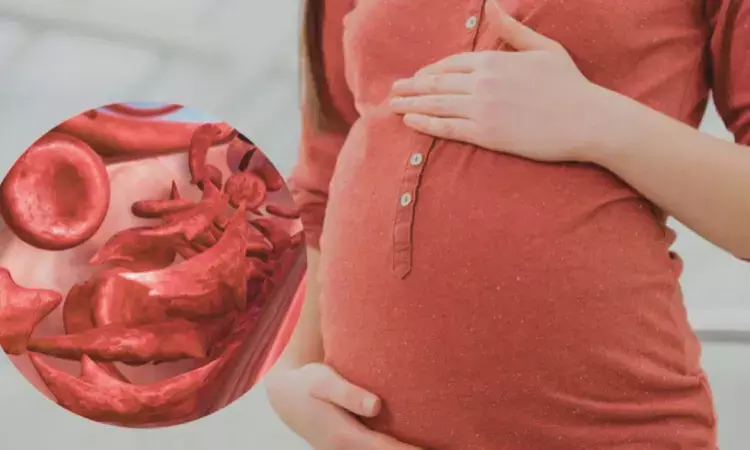


The most prevalent cause of anaemia during pregnancy is iron deficiency anaemia (IDA), which is a microcytic anaemia characterised by impaired red blood cell formation. IDA is linked to poor maternal and foetal outcomes. Oral or intravenous iron supplementation is the first-line therapy for IDA. Blood transfusions are the only treatment option for severe or refractory IDA during pregnancy.
Endogenous erythropoietin (EPO), the principal regulator of red blood cell formation, is a glycoprotein hormone that the kidneys manufacture in response to hypoxia and anaemia. Recombinant EPO (rEPO) is a synthetic form of the hormone generated from Chinese hamster ovarian cells. Previously, rEPO was only used during pregnancy to treat anaemia caused by end-stage renal illness. A recently published study reviewed the current information on the use of rEPO in the treatment of IDA in pregnancy.
Out of 234 trials reviewed, five provided adequate data for analysis (103 recombinant erythropoietin and 104 controls). All patients in the intervention group were given iron supplementation (intravenous or oral) in addition to recombinant erythropoietin. All patients in the control group got just iron supplementation (intravenous or oral).
Without alteration, the following information was documented: medication details for the treatment and control groups; gestational age at the start of therapy; baseline haemoglobin and haematocrit levels; the time of the subsequent laboratory tests; and haemoglobin or haematocrit levels after treatment.
The review analysis discovered evidence that rEPO in combination with iron supplementation may be more successful in increasing haemoglobin and/or haematocrit than iron alone. rEPO does not pass the placenta and is not connected with any negative foetal consequences. The results are consistent with previous research indicating that rEPO is an effective strategy for raising haematologic parameters. This systematic study supports the conclusion that rEPO seems to be a safe therapy for pregnant women.
The primary merit of this research is its thorough examination and meticulous data extraction. One disadvantage of the research is the small number of participants and studies. Our research was limited by poor data reporting, which prevented us from doing a meta-analysis.
When IDA is resistant to iron supplementation, treatment options are limited. This research demonstrates that recurrent rEPO delivery, along with iron supplementation, might be a safe and effective therapy for resistant IDA.
Main points:
* Iron deficiency anaemia is the leading cause of anaemia in pregnancy.
*The primary line of therapy is iron supplementation, either oral or intravenously.Blood transfusion may be used in severe or refractory situations, but it has limits.
*Serial recombinant erythropoietin injection, along with iron supplementation, may be more successful than iron supplementation alone in treating refractory iron deficiency anaemia in pregnancy.
Reference:
Levy AT, Weingarten SJ, Robinson K, et al. Recombinant erythropoietin for the treatment of iron deficiency anemia in pregnancy: A systematic review. Int J Gynecol Obstet. 2025;168:35‐42. doi: 10.1002/ijgo.15811