Xerostomia in PCOS Linked to Poorer Oral Health-Related Quality of Life, suggests study
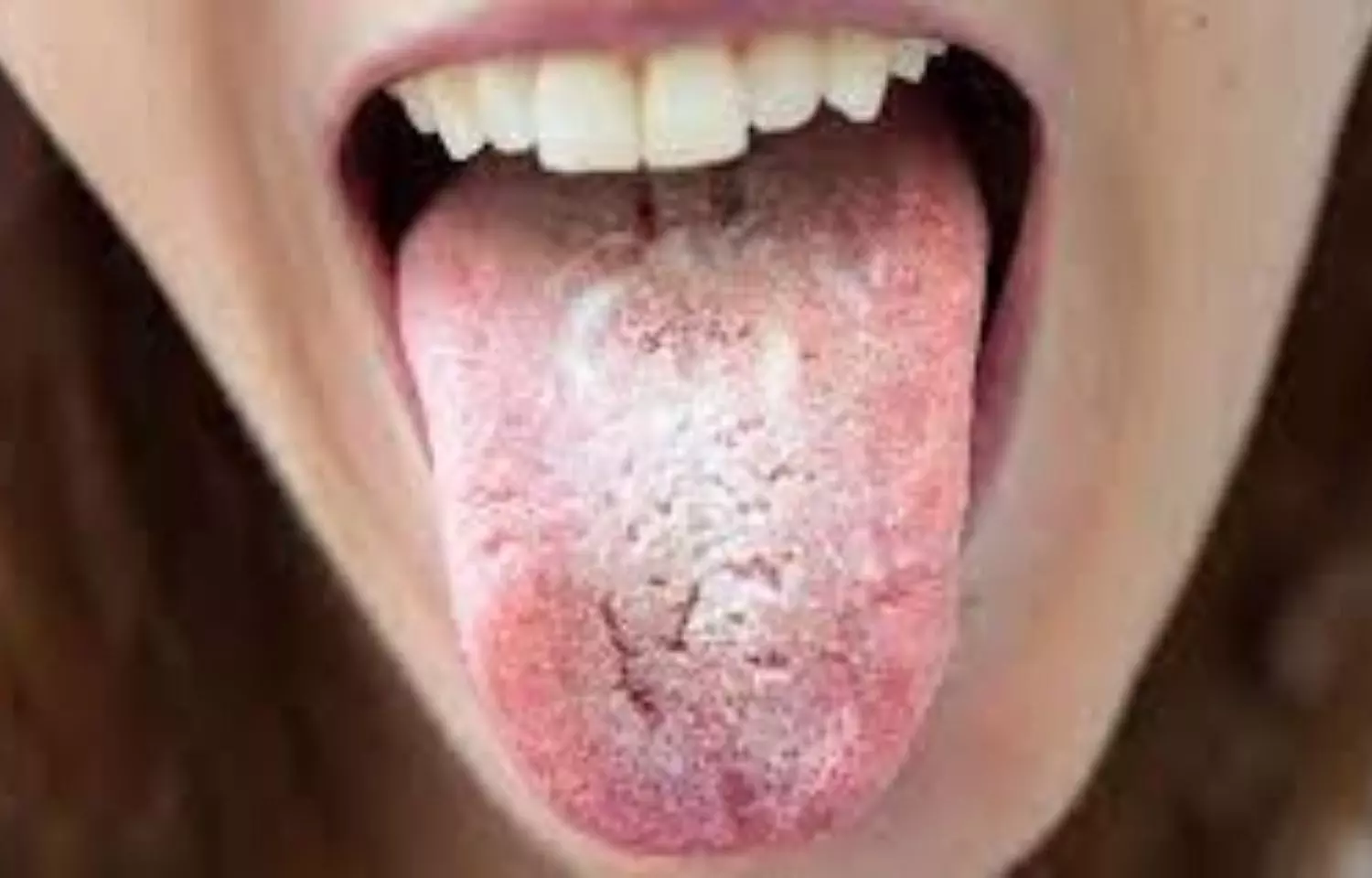


A new study published in the journal of BMC Women's Health showed that xerostomia linked with polycystic ovarian syndrome (PCOS) significantly affected oral health-related quality of life.
Polycystic ovarian syndrome (PCOS) is one of the most frequent endocrine and metabolic illnesses affecting females of reproductive age. Although hyperandrogenism and ovulatory dysfunction are the condition's most well-known reproductive effects, the mouth cavity is also greatly impacted by its systemic effects.
Emerging data shows that the complicated hormonal abnormalities and persistent low-grade inflammation associated with PCOS might affect salivary gland function. This physiological disturbance commonly emerges as xerostomia, or the subjective experience of prolonged dry mouth.
Saliva plays a crucial function in maintaining oral homeostasis by providing critical lubrication, neutralizing toxic acids, and supplying antibacterial protection. When salivary flow is restricted, females with PCOS experience a cascade of severe oral health concerns.
Xerostomia can cause considerable mouth pain, impairing key everyday processes such as eating, swallowing, and speaking. Furthermore, the absence of protective saliva greatly enhances the risk of dental caries, periodontal disease, and oral mucosal infections.
Collectively, these functional restrictions and the associated psychological suffering substantially degrade a patient's oral health-related quality of life (OHRQoL). Understanding the delicate association between PCOS-induced xerostomia and OHRQoL is vital for healthcare professionals to design multidisciplinary therapeutic methods that target both systemic and oral well-being. The purpose of this study was to assess the link between xerostomia and oral health-related quality of life in females with PCOS.
In face-to-face interviews, individuals diagnosed with PCOS and a healthy control group completed a questionnaire containing demographic data, the Oral Health Impact Profile (OHIP-14) and the Xerostomia Inventory. The data acquired were evaluated statistically in the IBM SPSS vn. 27 application.
The PCOS group had substantially higher OHIP-14 total and xerostomia points compared to the control group (p < 0.05).
The OHIP-14 total points and the xerostomia points showed a moderately favorable connection (p < 0.05).
Overall, the study results demonstrated that xerostomia was connected with PCOS and the oral health-related quality of life was reduced in these individuals. Maintaining dental health can enhance the quality of life for women with PCOS. It underscores the necessity of integrating routine oral health evaluations into the normal clinical care of women with PCOS.
Source:
Karaçam, K., Erdem, R. Z., & Gül, Ö. (2026). The relationship between xerostomia and oral health-related quality of life in females with polycystic ovary syndrome. BMC Women’s Health. https://doi.org/10.1186/s12905-026-04688-5