
Berberine Shows Promise as Adjuvant Therapy for Lung Cancer, Review Finds
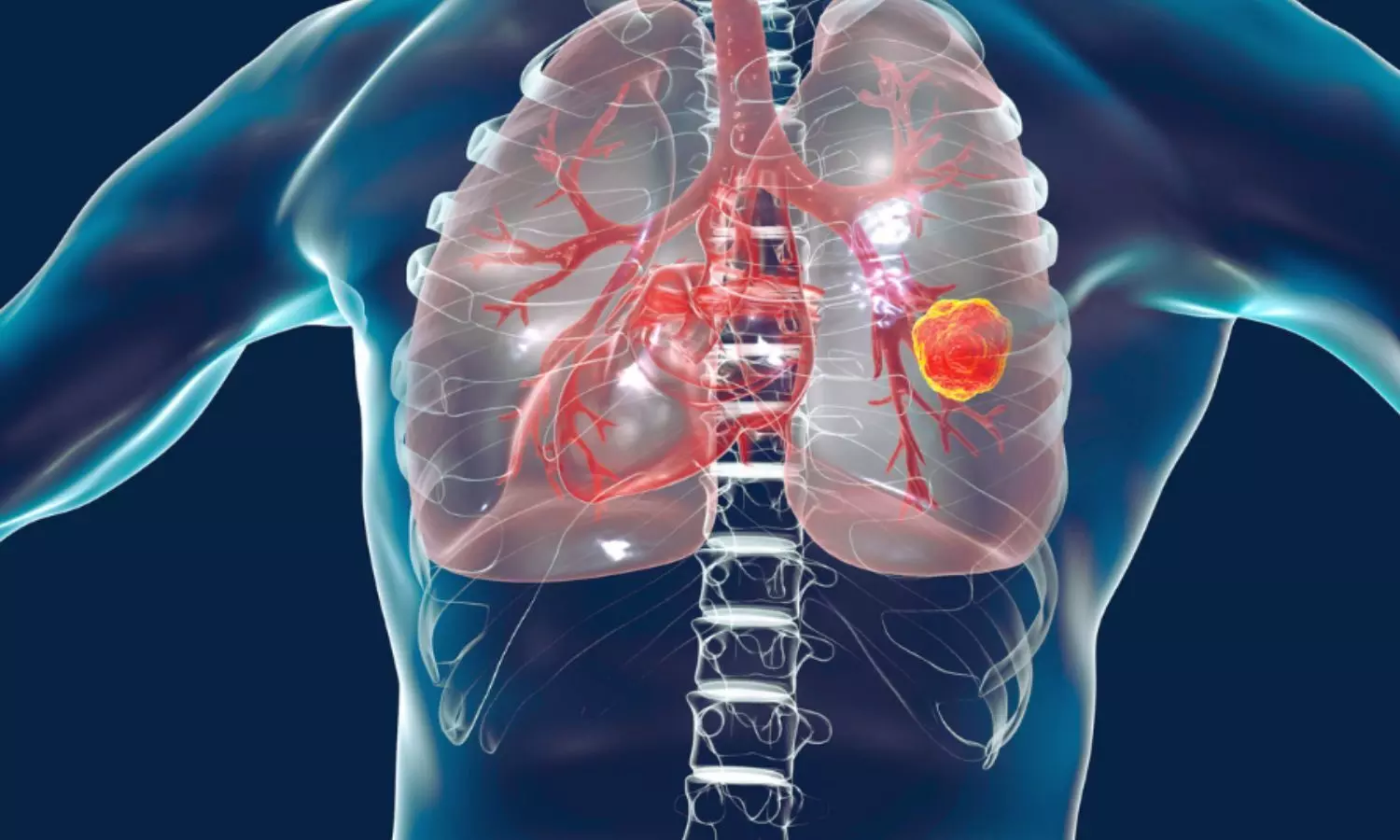


A recent study published in the Indian Journal of Cancer in March 2026 reveals that Berberine (BBR) effectively manages lung cancer by arresting tumor growth and triggering apoptosis by modulating the mitogen-activated protein kinase (MAPK) and phosphoinositide 3-kinase/protein kinase B (PI3K/AKT) signaling pathways.
Lung cancer accounts for 11.4% of all cancer cases and 1.8 million deaths annually, yet therapy resistance and high mortality persist as critical clinical challenges. Manju Bargavi Sakthivel and colleagues from the Meenakshi Academy of Higher Education and Research reviewed the adjuvant potential of berberine—a bioactive compound with a 3,000-year medicinal history—to optimize management strategies for non-small cell lung cancer (NSCLC) and small cell lung cancer (SCLC).
Therefore, the comprehensive synthesis evaluates in vitro lung cancer cell lines, such as A549 and H1299, alongside animal xenografts to determine berberine's impact on tumor progression. The analysis prioritized apoptosis induction and metastasis inhibition as primary endpoints, while excluding data with non-standardized dosing or unclear mechanisms to ensure a precise clinical evaluation.
Key Clinical Findings of the Review Includes:
• Apoptosis Induction: Research indicates that berberine triggers programmed cell death by increasing pro-apoptotic proteins like Bax and decreasing anti-apoptotic factors such as Bcl-2 across various lung cancer cell lines.
• Metastasis Suppression: Findings show that berberine significantly lowers the risk of cancer spread by inhibiting matrix metalloproteinases, which are essential for tumor cells to invade adjacent tissues.
• Synergistic Efficacy: The study reveals that combining berberine with conventional agents like osimertinib or doxorubicin (DOX) selectively reduces the survival of resistant cancer cells, demonstrating a potent synergistic effect.
• Pathway Modulation: Evidence suggests that berberine suppresses tumor progression by blocking major signaling cascades, including the nuclear factor kappa-light-chain-enhancer of activated B cells (NF-κB) pathway.
• Gene Regulation: Data demonstrates that berberine impairs the genomic integrity of cancer cells by downregulating genes essential for deoxyribonucleic acid (DNA) replication and repair.
The results suggest that berberine is a powerful therapeutic candidate, with animal studies showing dramatic reductions in tumor volume and xenograft models achieving significant inhibition of growth by disrupting the cancer cells' ability to maintain genomic integrity.
Thus, the review concludes clinicians might consider berberine as a potential supplementary treatment to improve the effectiveness of immune checkpoint inhibitors and chemotherapy while potentially mitigating treatment-related side effects.
Despite these promising insights, the therapeutic utility of berberine is currently limited by its poor gastrointestinal absorption and the lack of standardized clinical dosing, highlighting a critical need for further human clinical trials to establish long-term safety and efficacy.
Reference
Sakthivel MB, Doss PD, Suresh M, Munusamy T, Devarajan N, Kodaganti NK. Berberine’s role in enhancing lung cancer treatment: Exploring mechanisms, efficacy, and adjuvant potential. Indian J Cancer 2025;62:471‑9.
