Denosumab use Beyond 12 Months Linked to Higher Osteonecrosis Risk in Prostate Cancer: JAMA
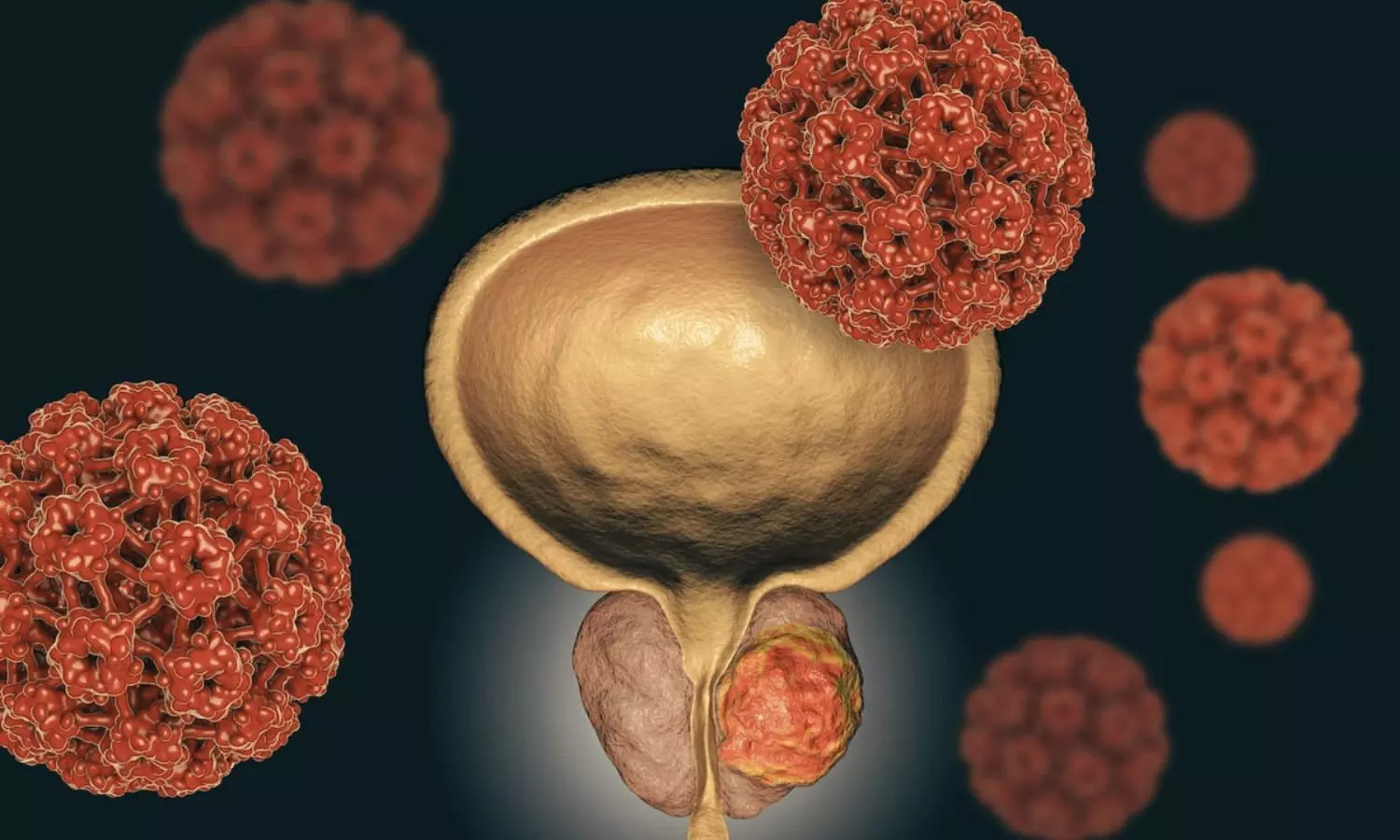


A cohort study in patients with bone-metastatic castration-resistant prostate cancer found that 7–12 months of denosumab treatment was associated with a lower risk of skeletal-related events and a modest increase in osteonecrosis of the jaw (ONJ). Treatment beyond 12 months was associated with a markedly higher ONJ risk without further reduction in skeletal events. The findings support individualized reassessment of denosumab treatment duration after approximately one year rather than routine indefinite continuation. The study was published in JAMA Network Open by Seoree K. and colleagues.
To determine the effects of treatment period on skeletal safety and effectiveness in the long run, investigators used national claims data from the Korean Health Insurance Review and Assessment Service (HIRA) between January 1, 2009 and August 31, 2024. The study design followed a target trial in which 3,307 men with bone-metastatic castration-resistant prostate cancer received oncologic-dose denosumab treatment. Men suffering from castration-sensitive disease were not eligible for the study. Six treatment protocols were analyzed in the three groups regarding treatment duration (≤6 months, 7-12 months, and ≥13 months). Both schedule-flexible and schedule-adherent (intervals ≤12 weeks) groups were considered.
The primary outcome measures, evaluated during a 3-year follow-up period, were the incidence rate of osteonecrosis of the jaw and composite skeletal events (pathologic fracture, spinal cord compression, and bone surgery).
Key findings:
- Among 3,307 men with mCRPC (median age, 72.6 ± 8.6 years; median follow-up period, 42.6 months), analysis of risk profile revealed clear time-dependent risk patterns.
- The total 3-year cumulative incidences of osteonecrosis of the jaw and primary skeletal events amounted to 9.8% (95% CI, 8.7%-11.0%) and 4.9% (95% CI, 4.2%-5.7%), respectively.
- Compared with treatment duration of 6 months or shorter, denosumab administration for 7-12 months lowered the risk of experiencing skeletal events (3.82% [95% CI, 3.04%-4.80%] vs. 5.76% [95% CI, 4.23%-7.79%]; RR, 0.66 [95% CI, 0.45-0.97]), and increased ONJ risk slightly (3.28% [95% CI, 2.41%-4.44%] vs. 1.47% [95% CI, 0.86%-2.50%]; RR, 2.22 [95% CI, 1.21-4.11]).
- Longer exposure time to the drug (more than 13 months of the administration) as compared with 7-12 months led to significantly higher ONJ incidence (12.20% [95% CI, 10.86%-13.68%]; risk difference, 8.93 [95% CI, 7.16-10.64] percentage points), and provided no additional reduction in the number of skeletal events (3.99% [95% CI, 3.30%-4.82%]; risk difference, 0.17 [95% CI, -1.03 to 1.31] percentage points).
In summary, national target trial emulation data show that 7 to 12 months of use of denosumab provides optimal skeletal protection with minimal toxicity in patients with mCRPC. Based on the findings of this study, it can be concluded that extended treatment does not reduce any further risk of skeletal-related events while increasing significantly the risk of developing ONJ.
Reference:
Kim S, Jung S, Bu S, et al. Denosumab Therapy Duration and Osteonecrosis of the Jaw and Skeletal Events in Bone-Metastatic Prostate Cancer. JAMA Netw Open. 2026;9(10):e2639765. doi:10.1001/jamanetworkopen.2026.39765