
Dual-Antigen Targeting Yields 79 Percent Response in Drug-Resistant True extramedullary myeloma, suggests study
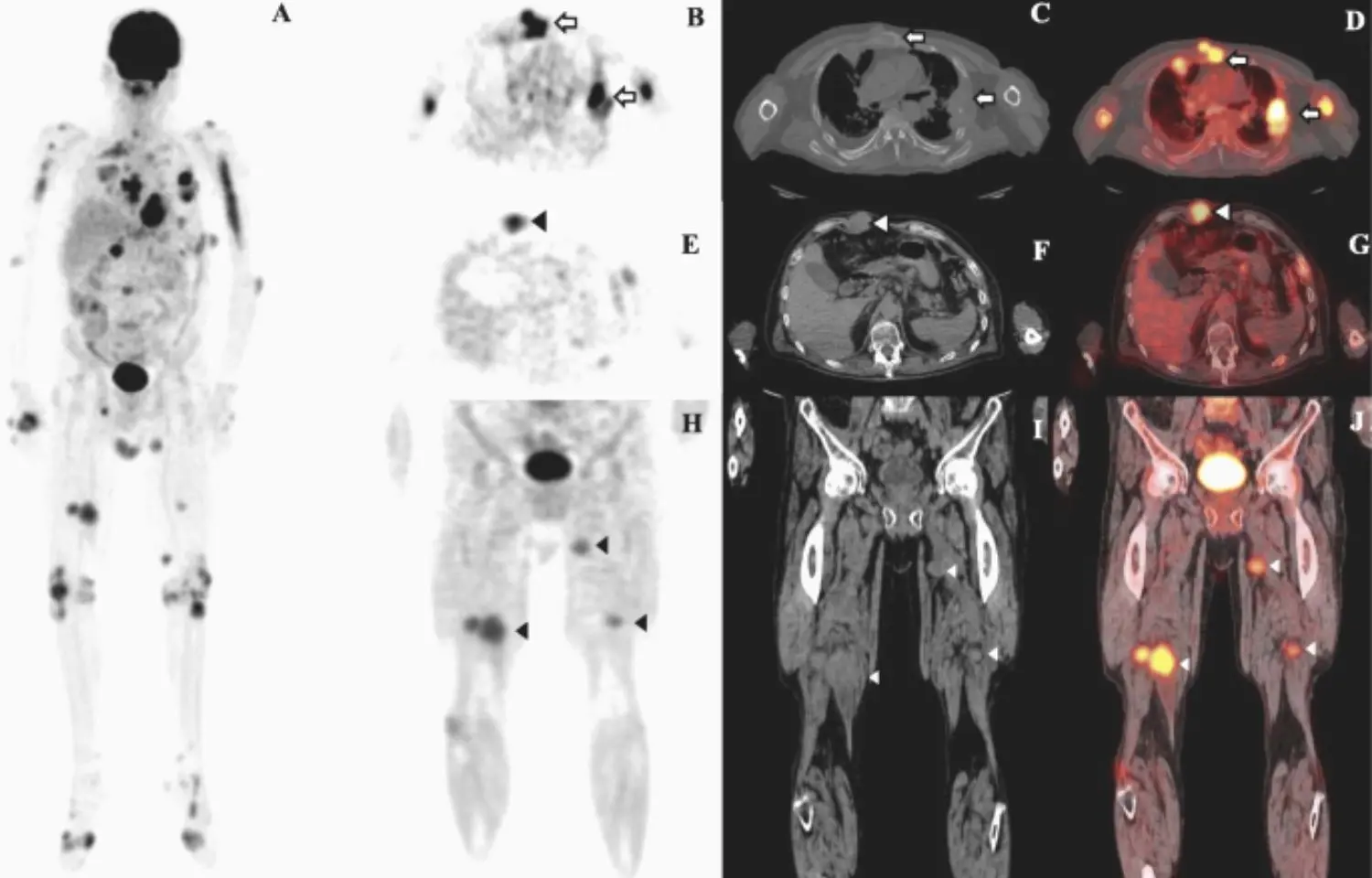


A remarkable clinical response was achieved in 79% of patients battling drug-resistant, true extramedullary myeloma (EMM) through an innovative dual-antigen targeting approach, as a recent study published in the New England Journal of Medicine in December 2025 has shown.
Patients with plasmacytomas noncontiguous with bone marrow face exceptionally high risks of disease relapse; following the promising initial efficacy shown in the phase 1 portion of this research, Dr. Shaji Kumar from the RedirecTT-1 Investigators Study Group led the phase 2 trial to address the current therapeutic gap for triple-class–exposed individuals by evaluating the dual targeting of G protein–coupled receptor family C group 5 member D (GPRC5D) and B-cell maturation antigen (BCMA).
Therefore, the phase 2 multicenter study exclusively enrolled 90 patients suffering from drug-resistant EMM to evaluate the combination therapy over a median follow-up period of 12.6 months, utilizing functional imaging to assess the primary endpoint of overall response while excluding patients who did not meet strict resistance criteria and monitoring secondary endpoints such as the duration of response, progression-free survival (PFS), and overall survival (OS).
Robust Clinical Efficacy: The RedirecTT-1 trial demonstrated that a significant 79% (95% confidence interval [CI], 69 to 87) of participants achieved an overall response, proving the strength of dual-targeting in these refractory cases.
Durable Remission Data: Among the responders, RedirecTT-1 showed that 64% (95% CI, 48 to 76) maintained their response for at least 12 months, highlighting the potential for long-term disease control.
Key Survival Outcomes: Survival data from RedirecTT-1 revealed a 12-month PFS rate of 61% (95% CI, 50 to 71) and a 12-month OS rate of 74% (95% CI, 63 to 83) for this high-risk population.
Safety and Toxicity Profile: High-grade adverse events (AEs) recorded by RedirecTT-1 occurred in 76% of patients, a frequency which was notably consistent with the established safety profiles of these therapeutic agents when administered individually as monotherapies.
Regimen Continuity Trends: Despite cytokine release syndrome (CRS) appearing in 78% of the cohort and oral symptoms in 87%, RedirecTT-1 indicated that nonfatal AEs led to the permanent discontinuation of treatment in only 6% of participants.
The results suggest that the majority of patients with drug-resistant, true EMM can achieve a meaningful clinical response with the combination of talquetamab and teclistamab, although the 76% incidence of grade 3 or higher AEs remains a critical clinical consideration.
Thus, the study concludes clinicians may consider this dual-antigen regimen as a potent intervention for aggressive extramedullary disease while ensuring rigorous surveillance for severe infections and hematologic toxicities.
Although the high frequency of severe AEs and the occurrence of treatment-related deaths serve as limitations to the current findings, future research is necessary to optimize dosing and supportive care to enhance the safety of this promising combination therapy.
Reference
Kumar S, Mateos MV, Ye JC, et al. Dual Targeting of Extramedullary Myeloma with Talquetamab and Teclistamab. N Engl J Med 2026;394:51-61.
