HPV Vaccination May Allow Much Less Frequent Cervical Cancer Screening: Study
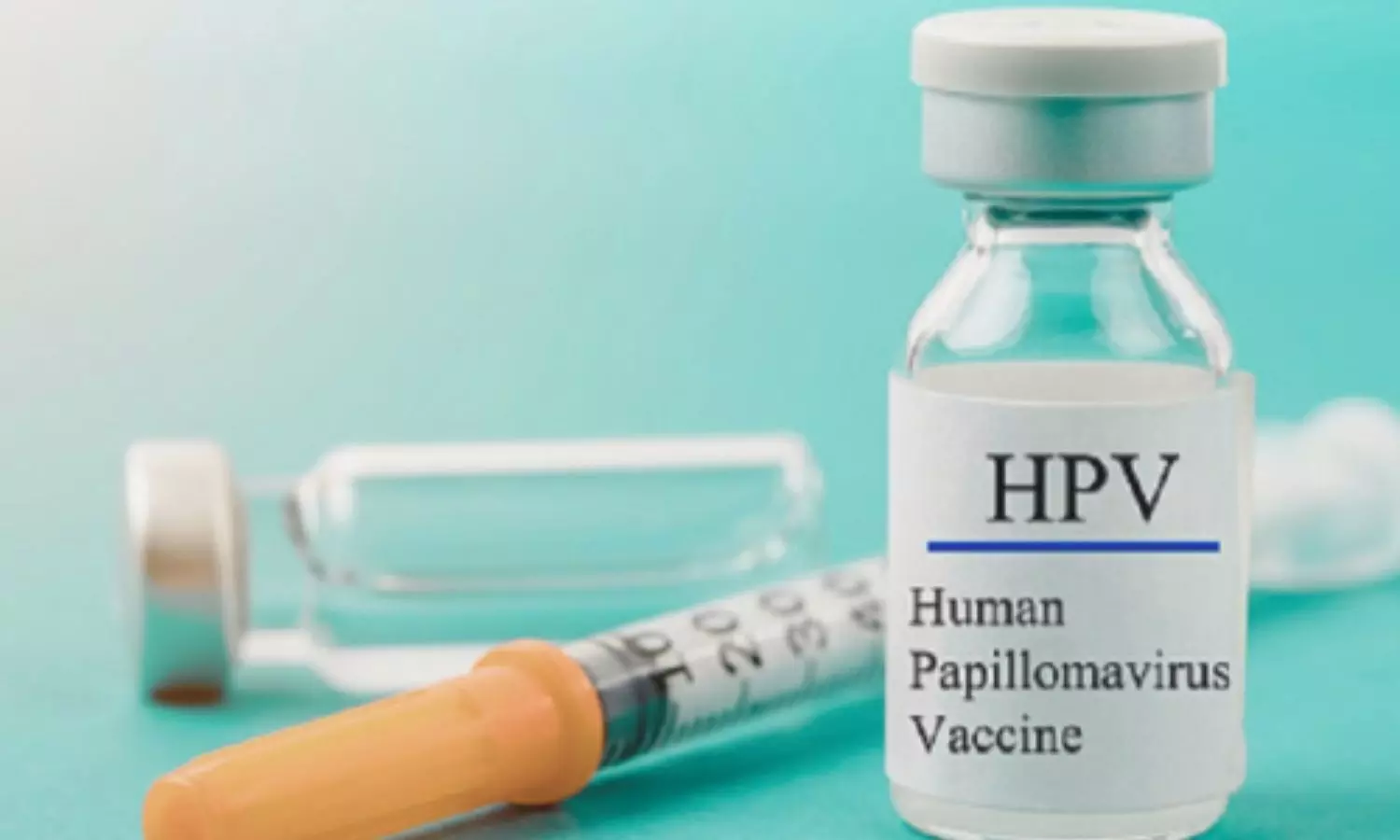


A modeling analysis based on Norway's vaccination experience suggests that women vaccinated against HPV before age 24 could safely and cost-effectively extend cervical cancer screening intervals to every 15–25 years, potentially limiting screening to just two or three times in a lifetime. However, the findings may not fully generalize to countries with more variable vaccination uptake and screening practices. The study was published in the Annals of Internal Medicine journal by Kine P. and colleagues.
The HPV vaccine significantly reduces the lifetime risk of persistent infection with high-risk HPV, precancerous lesions, and cervical cancer. However, many screening programs were developed for women who had not received the vaccine and may now result in over-screening, colposcopies, and patient burden in vaccinated women. In this new environment, where the risks and benefits of screening are being reevaluated, there is a need to reassess the age at which screening should begin, the frequency of screening, and the number of lifetime screens.
This trial employed an individual-based mathematical model design, based on published data, to assess the cervical cancer screening approach in modelled populations of women in Norway. The women were assumed to have been administered either the bivalent or nonavalent HPV vaccine at one of seven age groups:
• Age 12
• Ages 13-15
• Ages 16-18
• Ages 19-21
• Ages 22-24
• Ages 25-27
• Ages 28-30
The model was run over a lifetime time horizon, with the analysis performed from an extended health care sector perspective.
Key findings
• Cost-effectiveness was evaluated using incremental cost-effectiveness ratios (ICERs) in terms of cost per quality-adjusted life-year (QALY) gained.
• A screening strategy was deemed more desirable if it cost less than a threshold value of $55,000 per QALY.
• The ratio of colposcopy referrals to cervical cancer averted was used to quantify harm-benefit trade-offs.
• The results show that the preferred screening strategies for all vaccination ages were those with longer screening cycles.
• Women who received vaccinations between the ages 12-24 years would benefit from screening cycles of 15-25 years.
• The optimal lifetime screening frequency for these groups was 2-3 times.
This modeling analysis demonstrates that a high-value cervical cancer screening strategy for women who have been vaccinated against HPV includes much less frequent screening, especially for those who were vaccinated by age 30 years. Tailoring screening approaches based on the age at vaccination and the type of vaccine used could help maintain the benefits of cancer prevention while minimizing the risks and expenses, which represents a significant milestone in the direction of more personalized and effective preventive medicine.
Reference:
Pedersen, K., Di Silvestre, J., Sy, S., Portnoy, A., Castle, P. E., Kim, J. J., & Burger, E. A. (2026). Optimizing cervical cancer screening by age at vaccination for human Papillomavirus: Health and resource implications. Annals of Internal Medicine.https://doi.org/10.7326/ANNALS-25-03192