PI-RADS v2 Score of 5 or Higher Predicts Bone Metastasis in Prostate Cancer: Study
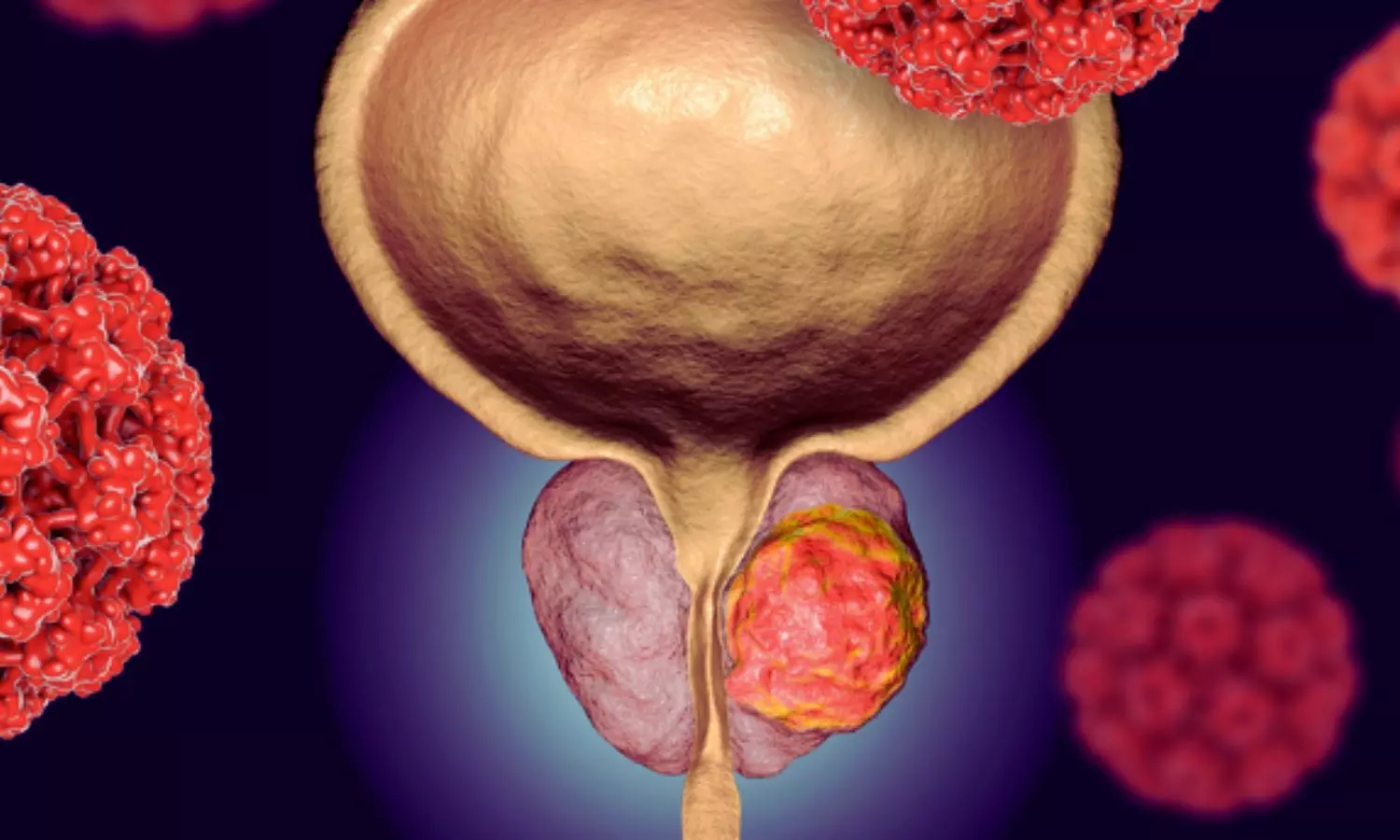


A recent retrospective study published in the Indian Journal of Cancer in June 2026 reveals that a Prostate Imaging Reporting and Data System version 2 (PI-RADS v2) score of 5 or greater predicts prostate cancer bone metastasis with 81.3% sensitivity and 74.5% specificity. This powerful diagnostic threshold offers clinicians a highly accurate, streamlined pathway to optimize staging and spare patients from unnecessary bone scans.
While BM remains a primary driver of poor survival in PCa, particularly with high initial rates in China, previous models by Briganti et al. or Chen et al. lacked external validation and had insufficient cohorts. Addressing this gap, Ting Liu and colleagues from the Department of Urology at Renmin Hospital of Wuhan University retrospectively evaluated independent risk factors and the predictive utility of the PI-RADS v2 score.
Therefore, the retrospective, multi-center study compared Prostate Imaging Reporting and Data System version 2 (PI-RADS v2) scores and total prostate-specific antigen (tPSA) levels against technetium Tc 99m methylene diphosphonate (Tc 99m MDP) bone scans in 325 development and 104 validation patients. To accurately predict bone metastasis (BM) as the primary endpoint, researchers excluded individuals with prior 5-alpha reductase inhibitor use, bone disease history, recent urinary infections, or invasive prostate procedures.
Key Clinical Findings of the Study Include:
Skeletal Involvement Prevalence: Analysis demonstrated that 37.8% of patients had BM, with these individuals exhibiting a higher median tPSA of 116.94 ng/mL compared to 16.27 ng/mL in non-metastatic patients.
Independent Predictors: Investigators determined that clinical tumor stage (cTx), alkaline phosphatase (ALP), tPSA, and PI-RADS v2 score were the only independent risk factors, with cTx displaying the strongest risk (odds ratio = 10.791).
Critical Diagnostic Threshold: Study identified a PI-RADS v2 score of 5 as the optimal cutoff, finding that 79.7% of metastatic patients scored a 5 compared to only 6.4% of non-metastatic patients.
Nomogram Performance: Researchers showed that the risk-prediction nomogram achieved a diagnostic area under the curve of 0.833, a sensitivity of 81.3%, and a specificity of 74.5%.
Model Validation: Authors confirmed model stability using an external validation cohort, which yielded a reliable sensitivity of 78.4% and a specificity of 79.1%.
The results suggest that higher PI-RADS v2 scores strongly correlate with BM, allowing the nomogram to accurately predict skeletal spread using clinical indicators like a cTx of T3 or higher and an ALP level of 114.80 U/L or higher. This model offers high diagnostic accuracy, correctly classifying 79.8% of cases internally and achieving a solid predictive area under the curve of 0.833.
Thus, the study concludes clinicians a practical staging tool to identify high-risk patients who genuinely require bone scans, thereby reducing unnecessary imaging, conserving clinical resources, and alleviating patient financial burden.
Although the retrospective design and regional patient population represent minor study limitations, these findings highlight the need for future prospective, multi-centre clinical trials across larger populations to further validate the model's global clinical utility.
Reference
Liu T, Zhu CH, Yang K, Du Y, Cheng F. PI-RADS v2 score may be as a predictor of bone metastasis in prostate cancer. Indian J Cancer 2026;63:82-9.