
Subcutaneous tarlatamab shows favorable safety profile and antitumor activity in extensive-stage small cell lung cancer: Study
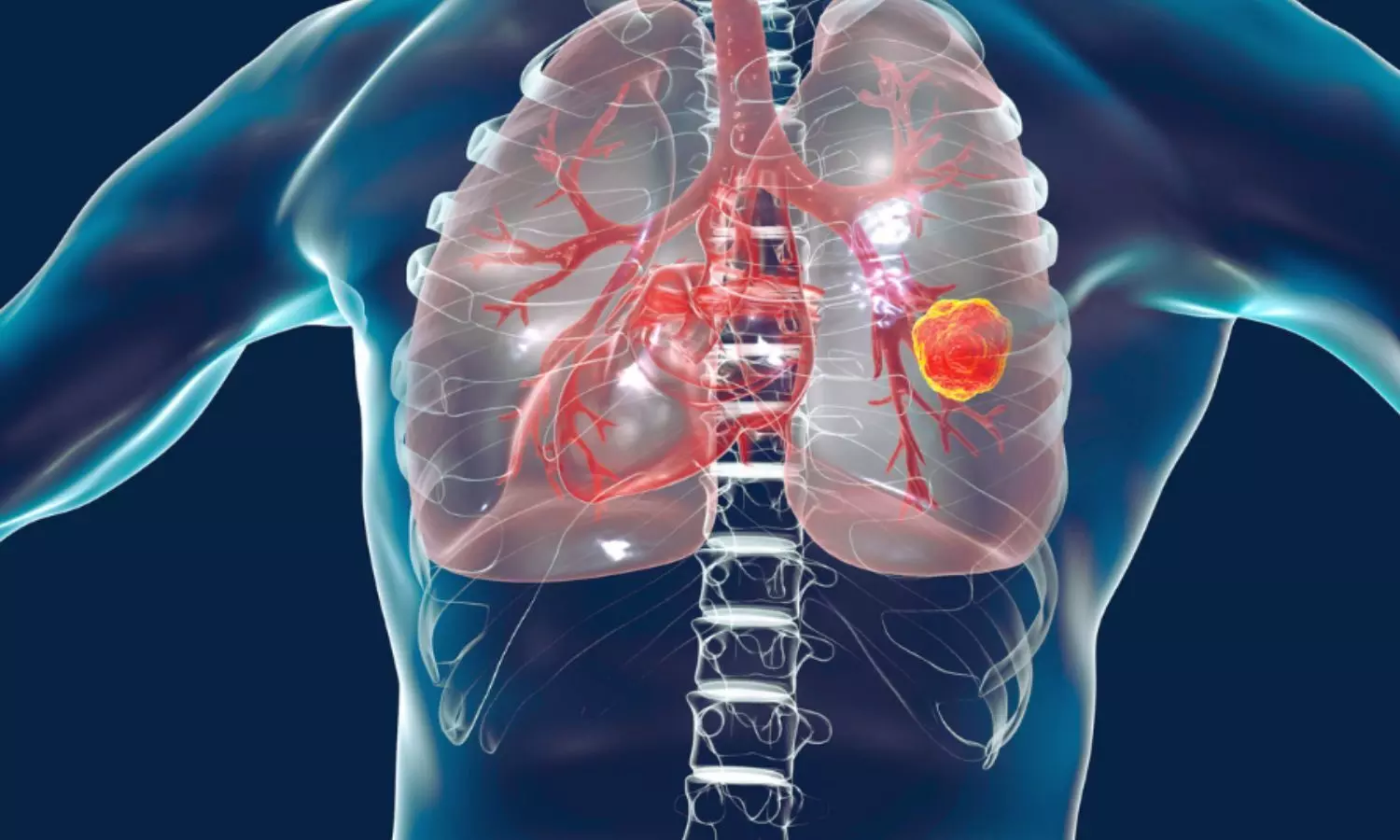


Subcutaneous administration of tarlatamab was well tolerated and demonstrated preliminary antitumor activity in patients with previously treated extensive-stage small cell lung cancer (ES-SCLC), according to findings from the phase 1b DeLLphi-308 study presented at the International Association for the Study of Lung Cancer (IASLC) 2026 World Conference on Lung Cancer (WCLC).
Tarlatamab is a bispecific T-cell engager (BiTE®) immunotherapy with established clinical activity in small cell lung cancer and has previously been evaluated using intravenous administration. DeLLphi-308 is the first study to investigate subcutaneous delivery, an approach that may improve convenience and produce delayed lower peak serum concentrations than intravenous administration, which could potentially affect the incidence or severity of adverse events such as cytokine release syndrome (CRS).
“The findings from DeLLphi-308 suggest that 15 mg subcutaneous tarlatamab dose can achieve serum exposures comparable to the approved 10 mg intravenous dosing administered every two weeks while maintaining a favorable safety profile,” said Pedro Rocha, MD, of Hospital Universitari Vall d Hebron in Barcelona, Spain and primary author of the study. “The predominantly low-grade CRS events and preliminary antitumor activity support continued investigation of this more convenient route of administration.”
The open-label, multicenter study enrolled patients with ES-SCLC whose disease had progressed or recurred after at least one platinum-based therapy. In the first part of the study, investigators evaluated subcutaneous tarlatamab target doses of 10 mg and 15 mg administered every two weeks. The 15 mg dose achieved exposures comparable to the established intravenous 10 mg every-two-week regimen and was selected as the target dose for the second part of the study.
As of March 5, 2026, 40 patients had received the 15 mg target dose. Treatment-related adverse events occurred in 85% of patients in the 15 mg group with 10% of patients experiencing a grade 3 or higher TRAE. The most common treatment-related adverse events included injection-site reactions (50%), dysgeusia (45%), CRS (38%), and decreased appetite (20%). No grade 5 treatment-related adverse events occurred. CRS events were predominantly grade 1, with no grade 3 or higher CRS and no CRS events requiring dose interruption or discontinuation.
Preliminary objective response rate was 30% in the 15 mg group. Investigators concluded that subcutaneous tarlatamab was well tolerated and that the observed safety profile, pharmacokinetic findings and preliminary antitumor activity, together with the potential convenience of subcutaneous administration, supports further investigation. Updated data from the latest data cutoff will be shared in the oral presentation on September 15.
Reference:
Subcutaneous tarlatamab shows favorable safety profile and antitumor activity in extensive-stage small cell lung cancer, International Association for the Study of Lung Cancer, Meeting: The International Association for the Study of Lung Cancer (IASLC) 2026 World Conference on Lung Cancer.
