
Sylvester Researchers Lead Major Treatment Overhauls for Acute Myeloid Leukemia
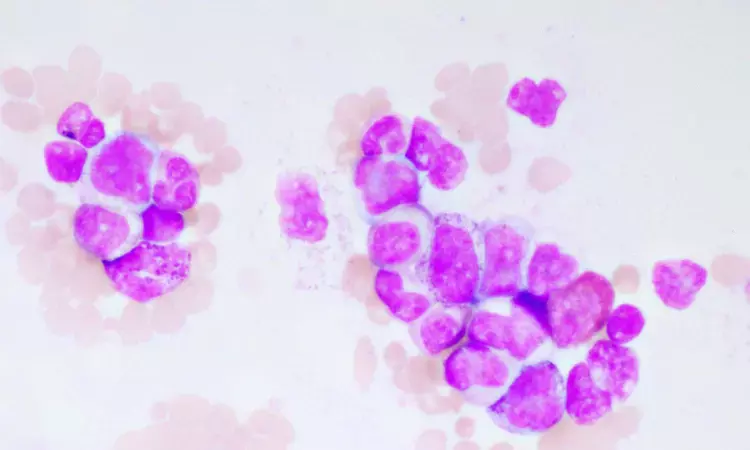


A new generation of targeted treatments and gentler chemotherapy options for older adults with a new diagnosis of acute myeloid leukemia (AML) is driving better survival and cure rates. Led by Mikkael Sekeres, M.D., M.S., chief of the Division of Hematology at Sylvester Comprehensive Cancer Center, part of the University of Miami Miller School of Medicine, the updated 2025 American Society of Hematology (ASH) AML treatment guidelines, appear Dec. 1, 2025, in the journal Blood Advances. In addition, the updated guidelines will be presented Dec . 7 at the American Society of Hematology (ASH) annual meeting in Orlando.
"The landscape of AML treatment has changed dramatically with more effective therapies," said Sekeres. "Our clinical studies have led to FDA approval of three drugs to treat acute leukemia over the past two years." But incorporating these new drugs into patients' regimens is a long process.
A physician-scientist, Sekeres led the 2020 and updated 2025 official ASH AML guideline panels. The panels include leukemia experts, geriatricians and patients who reviewed and discussed the best available research. The guideline recommendations aim to walk patients and their doctors through the AML treatment decisions in a meaningful and relevant way.
For decades, the standard treatment for AML was intensive chemotherapy to destroy leukemia cells and induce remission rapidly. Even just 20 years ago, two-thirds of people over 65 didn't get access to chemotherapy.
“We developed these guidelines to mirror the experience of an older adult's conversations with their doctor as they're considering treatment. The very first of those conversations is whether or not a person should receive any treatment," said Sekeres. "We didn't shy away from hard questions that patients and doctors ask, and I'm really proud of that."
Over the last decade, treatments such as gentler chemotherapy regimens, low-dose treatments, targeted therapies, and immunotherapies have improved AML care. More older adults are achieving remission and even pursuing cures like bone marrow transplants.
While AML treatment is more personalized, the decisions are more complex. "We're tailoring therapy more and more for each patient based on their age, fitness and genetic profile," said Justin Watts, M.D., Sylvester’s chief of the leukemia section in the Division of Hematology. "Their genes tell us if they qualify for targeted therapies and can predict their risk level for relapse — so tell us if they need a transplant."
In most cases, older adults should be offered treatment for AML, not just supportive care, the new guidelines say. Patients who are healthy enough, especially those in their 60s or with favorable disease genetics, should still get intensive chemotherapy. If a patient isn't a candidate for intensive chemotherapy, they should consider lower-intensity options like hypomethylating agents (azacitidine or decitabine) or low-dose cytarabine. These treatments can be combined with venetoclax, a targeted therapy.
If genetic testing finds a specific gene change, older adults should be offered targeted therapies as part of their AML treatment plan. Patients with FLT3 mutations should receive a FLT3 inhibitor, and those with IDH1 or IDH2 mutations should receive a combination of azacitidine with targeted inhibitors, such as ivosidenib or venetoclax.
When a patient is in remission, they may be a candidate for a bone marrow transplant. Transplants can help older adults live longer, so the committee overwhelmingly recommends them for more patients with high-risk diseases, said Sekeres. Improvements in the transplant process and the use of donors who are not a perfect match have made this an option for more people. If a patient isn't a candidate for transplant, they should continue post-remission therapy with gentler combination treatments, the guidelines say. These maintenance therapies can help prevent relapse.
"Finally, we made recommendations regarding blood transfusions for people who are getting palliative care or hospice," Sekeres said. Many hospices deny people with leukemia transfusions, "so we very definitively said that we consider blood product transfusions as a part of palliative care and hospice.”
New, advanced tools are helping researchers better detect minimal residual disease and understand relapse risk — leading to better decisions about who needs a transplant, said Watts. "We're making steady progress every year by better defining patient groups," and finding the right treatments for them, he added. "We're moving more patients into the ‘favorable benefit group’ — the group of patients who do well on these new therapies and live longer."
Reference:
Mikkael A Sekeres, Ryan J Mattison, Andrew S. Artz, American Society of Hematology 2025 guidelines for treating newly diagnosed acute myeloid leukemia in older adults, Blood Advances, https://doi.org/10.1182/bloodadvances.2025017934
