
A drop that can save the sight of extremely premature babies, suggests study
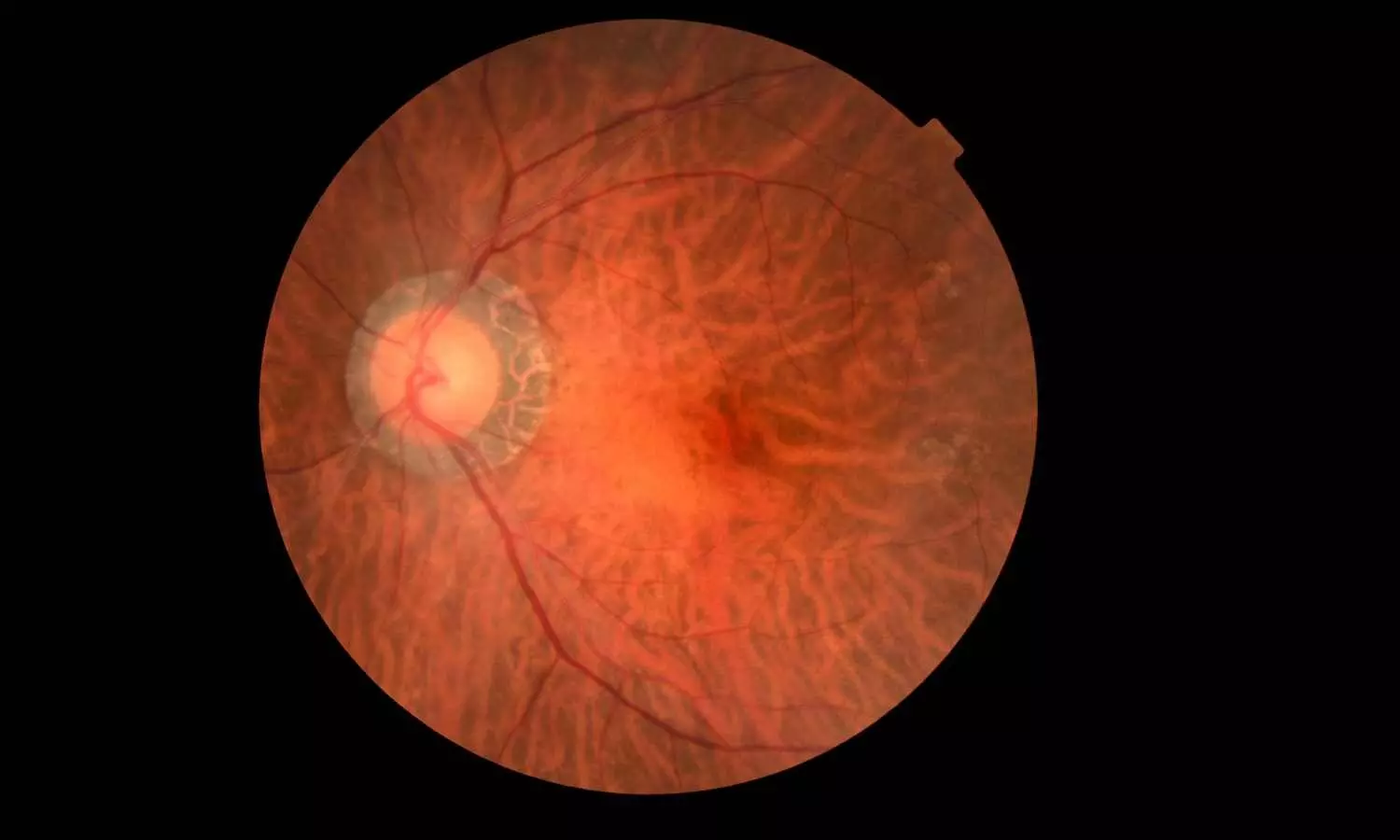


Researchers at the University of Gothenburg and Sahlgrenska University Hospital have conducted the first randomized clinical trial in the world to test cortisone eye drops to slow the progression of serious eye disease in extremely premature babies. The results suggest that the intervention can reduce the need for invasive treatment for Retinopathy of prematurity (ROP), a disease that causes blindness in 35,000 children worldwide each year.
ROP occurs when the blood vessels in the retina develop abnormally in very premature babies. In severe cases, laser treatment or injections into the eye are currently required to prevent vision loss and blindness. These treatments are invasive and destructive, and children who require treatment are at the greatest risk of blindness and visual impairment.
The Swedish multicenter study DROPROP involved 100 children born before 30 weeks of pregnancy. The children had a severe but not yet treatment-requiring form of ROP and were randomized to receive either dexamethasone eye drops or placebo.
The results showed that 20 percent of the children who received dexamethasone developed treatment-requiring ROP, compared with 38 percent in the placebo group. This corresponds to a 47 percent reduction in relative risk. The difference did not reach statistical significance but showed a large clinical effect.
“The results are very promising because the treatment is simple, inexpensive and non-invasive. In a significant proportion of children, we were able to reduce the need for laser and ocular injections in very fragile premature babies”, says Ann Hellström, professor at the University of Gothenburg and chief physician at Sahlgrenska University Hospital.
The researchers also closely monitored any side effects. No clinically significant difference in complications was seen between the groups. No clear signs of serious hormonal or metabolic side effects were observed.
Reference: Hellström A, Petrishka-Lozenska M, Sjöbom U, et al. Dexamethasone Eye Drops to Prevent Treatment-Requiring Retinopathy of Prematurity: The DROPROP Randomized Clinical Trial. JAMA Pediatr. Published online August 03, 2026. doi:10.1001/jamapediatrics.2026.3247
