Chronic Exposure to 2.5 Micrometers of Particulate Matter linked to Risk of Glaucoma, Suggests Review
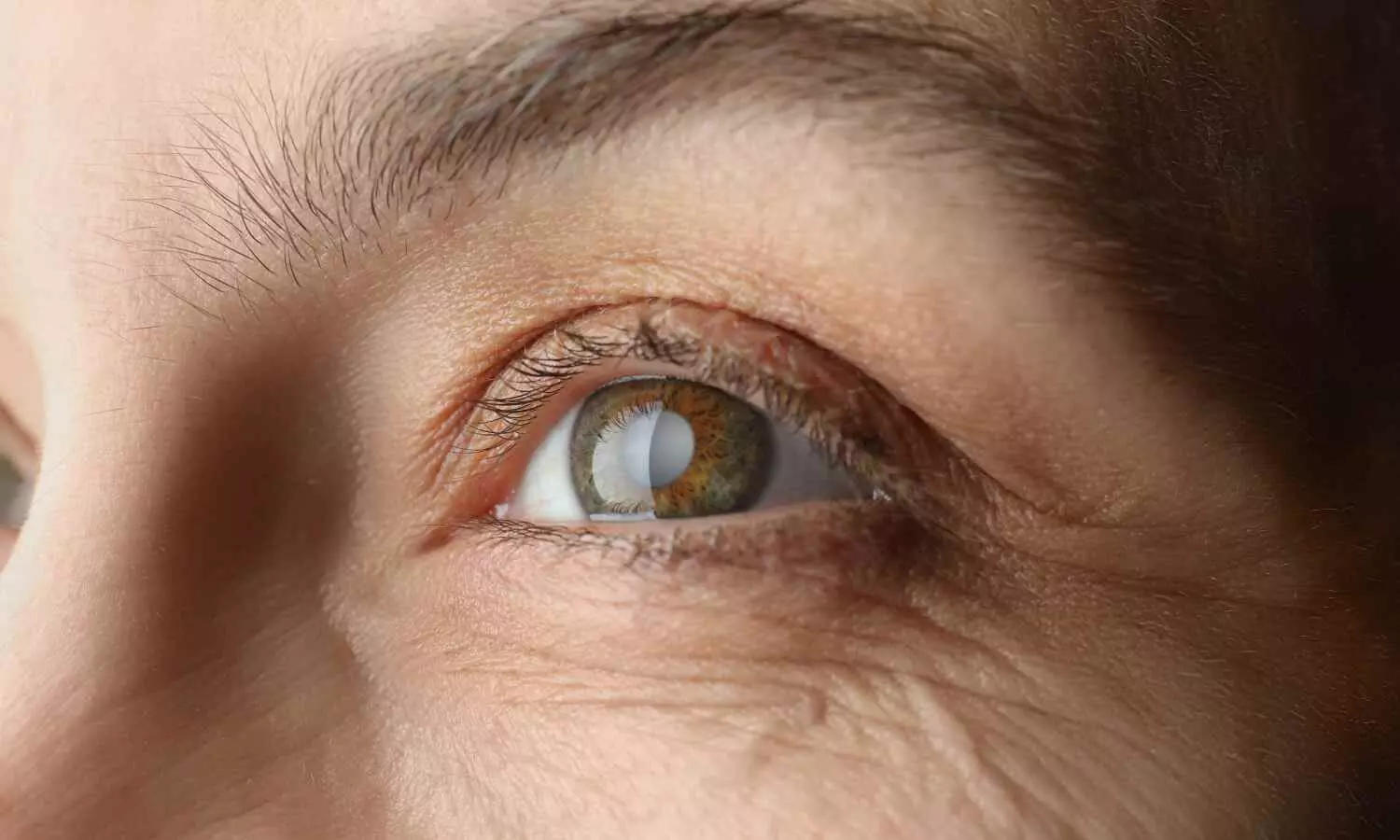


A recent systematic review published in the Journal of Current Glaucoma Practice in July 2026 reveals that chronic exposure to particulate matter with an aerodynamic diameter of 2.5 micrometers or less is associated with a 12% increased risk of developing glaucoma (relative risk = 1.12); 95% confidence interval (1.06–1.18).
Although elevated intraocular pressure is the main modifiable risk factor for glaucoma—which causes irreversible blindness—previous research has linked air pollution to other ocular conditions, leaving a clinical gap due to fragmented evidence on glaucoma itself. To address this, Divya Jain from the Department of Ophthalmology, Postgraduate Institute of Child Health in Noida, India, and colleagues systematically reviewed and meta-analyzed how ambient air pollution impacts glaucoma risk and structural markers of optic neuropathy.
Therefore, Following Preferred Reporting Items for Systematic Reviews and Meta-Analyses (PRISMA) guidelines and registered with PROSPERO, this review analyzed 18 observational studies selected from 185 records across Asia, Europe, and North America. The analysis evaluated clinical glaucoma risk as its primary endpoint, alongside secondary outcomes like intraocular pressure (IOP) and structural ocular thinning.
Key Clinical Findings of the Review Includes:
Elevated Glaucoma Risk: Researchers demonstrated that chronic exposure correlates with a 12% rise in glaucoma risk
Acute Attack Triggers: Research linked short-term nitrogen dioxide exposure to a 12% increase in acute angle-closure glaucoma risk; 95% and carbon monoxide to a 6% increase; 95% CI, 1.01–1.12).
Structural Damage Acceleration: Researchers documented that elevated and black carbon exposure are associated with progressive thinning.
Intraocular Pressure Elevation: Researchers noted that exposure for one to three months is associated with modest but statistically significant increases.
Patient Vulnerability Factors: Researchers identified advanced age, high-pollution regions, and oxidative stress-related genetic variants as key modifiers that amplify susceptibility.
The results suggest that chronic exposure to ambient fine particles significantly elevates the risk of developing glaucoma, with pooled data from eight studies representing nearly 1.9 million individuals showing a 12% increased risk of the disease, associated with higher pollution levels. Although these statistical associations are robust across diverse populations, the authors caution that causal relationships cannot be definitively proven using the current observational evidence.
While these findings do not warrant immediate changes to standard ophthalmic screening protocols, they suggest that clinicians might consider incorporating environmental exposure history into their patient risk profiling, particularly for vulnerable cohorts such as older adults, urban residents in highly polluted regions, and patients presenting with normal-tension glaucoma.
Although the review is limited by its observational design, potential exposure misclassification from area-level models, and a lack of data from highly polluted, low-income regions, these challenges highlight an exciting path forward for future prospective investigations that integrate individual-level personal exposure monitoring with longitudinal ophthalmic outcomes to help confirm these findings and refine clinical risk models.
Reference
Jain D, Kumar B, Dhua AK, et al. Ambient Air Pollution and Glaucoma: A Systematic Review and Meta-analysis of Observational Studies. J Curr Glaucoma Pract 2026;20(2):80–87.