
Corneal Sensitivity Remains Stable with Silicone Hydrogel Contact Lens Use: Study
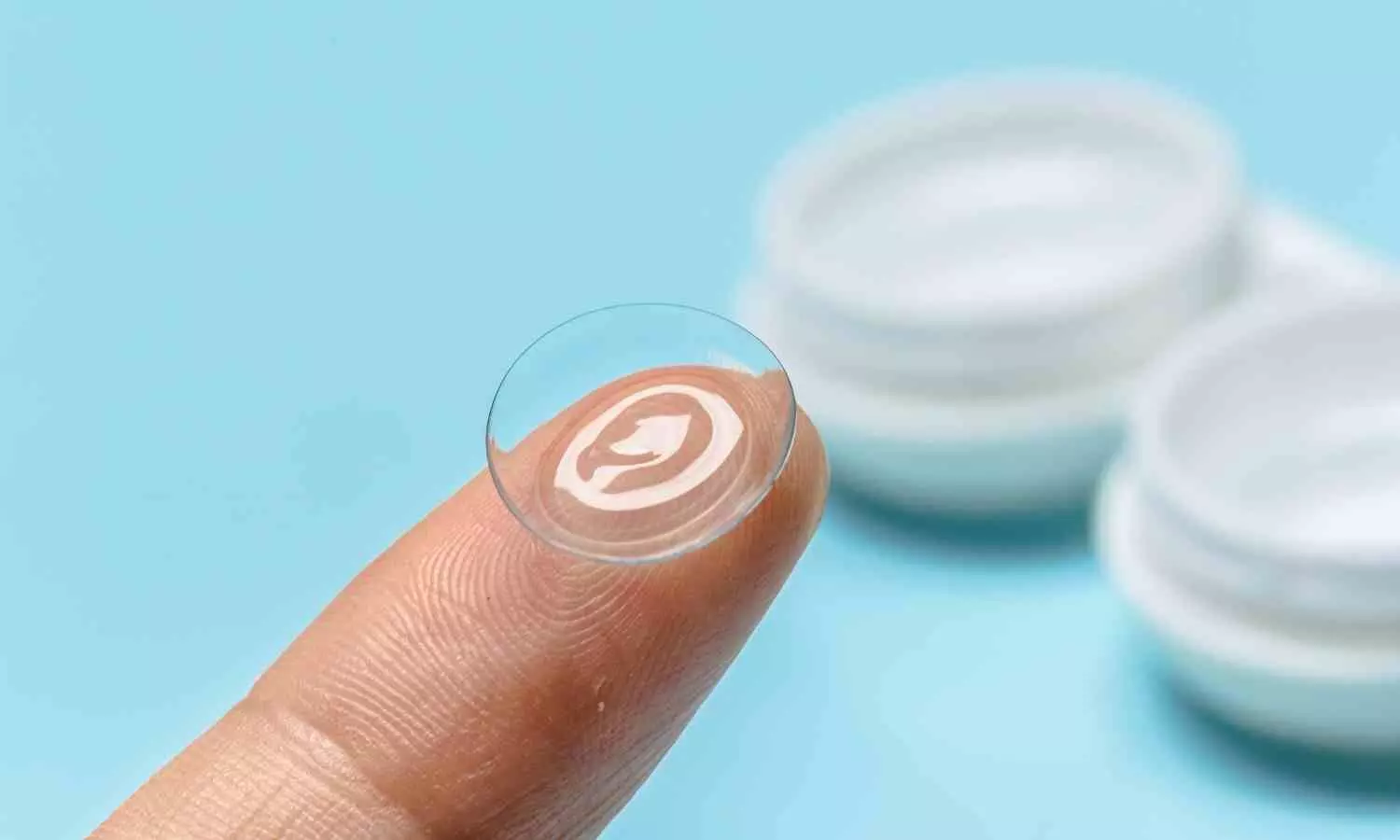


A recent study published in the journal of Contact Lens & Anterior Eye revealed that corneal sensitivity did not show significant changes during the first 6 weeks of wear among new users of silicone hydrogel contact lenses. However, a trend toward higher sensitivity in women was observed, which warrants further investigation.
This prospective longitudinal study followed 42 participants who had never previously worn contact lenses. Over a 6-week period, this research evaluated changes in corneal sensitivity and examined whether these changes were linked to contact lens comfort. Measurements were taken across 3 visits, one at baseline, one more approximately a week later, and another at 6 weeks.
To assess corneal sensitivity, this study used a specialized device known as the Swiss Liquid Jet Aesthesiometer for Corneal Sensitivity (SLACS), by focusing on the right eye of each participant. Also, the participants completed the Contact Lens Dry Eye Questionnaire (CLDEQ-8) during the second and third visits to provide subjective feedback on comfort levels.
Out of the initial group, 38 participants completed the study, with an average age of 26.5 years. The group included 26 females and 12 males. Overall, the findings revealed no statistically significant change in corneal sensitivity across the 3 time points. This suggests that the responsiveness of cornea remains stable during the initial adaptation period to silicone hydrogel lenses.
While the overall group showed no significant change, the trends varied between males and females. Female participants expressed a slight decrease in corneal sensitivity over time, whereas male participants showed a gradual increase. This interaction between visit timing and gender was statistically significant, which indicated that biological differences may influence how the eye responds to contact lens wear.
Despite these variations, these results found no meaningful correlation between corneal sensitivity and the comfort reported by participants. Whether after one week or six weeks of use, the changes in sensitivity did not appear to predict how comfortable the lenses felt. This finding challenges assumptions that discomfort in new wearers might be directly tied to sensory adaptation of the cornea.
While comfort remains a key factor in successful contact lens adoption, this may be influenced by a complex combination of factors beyond corneal sensitivity alone. Future studies are imperative to explore these variables in greater detail, particularly the role of gender in ocular response.
Source:
Seghetti, M., Nosch, D. S., & Albon, J. (2025). Corneal sensitivity in new silicone hydrogel contact lens wearers. Contact Lens & Anterior Eye: The Journal of the British Contact Lens Association, 49(2), 102607. https://doi.org/10.1016/j.clae.2026.102607

