
Deuterium-Modified Vitamin A Slows Retinal Lesion Growth: JAMA
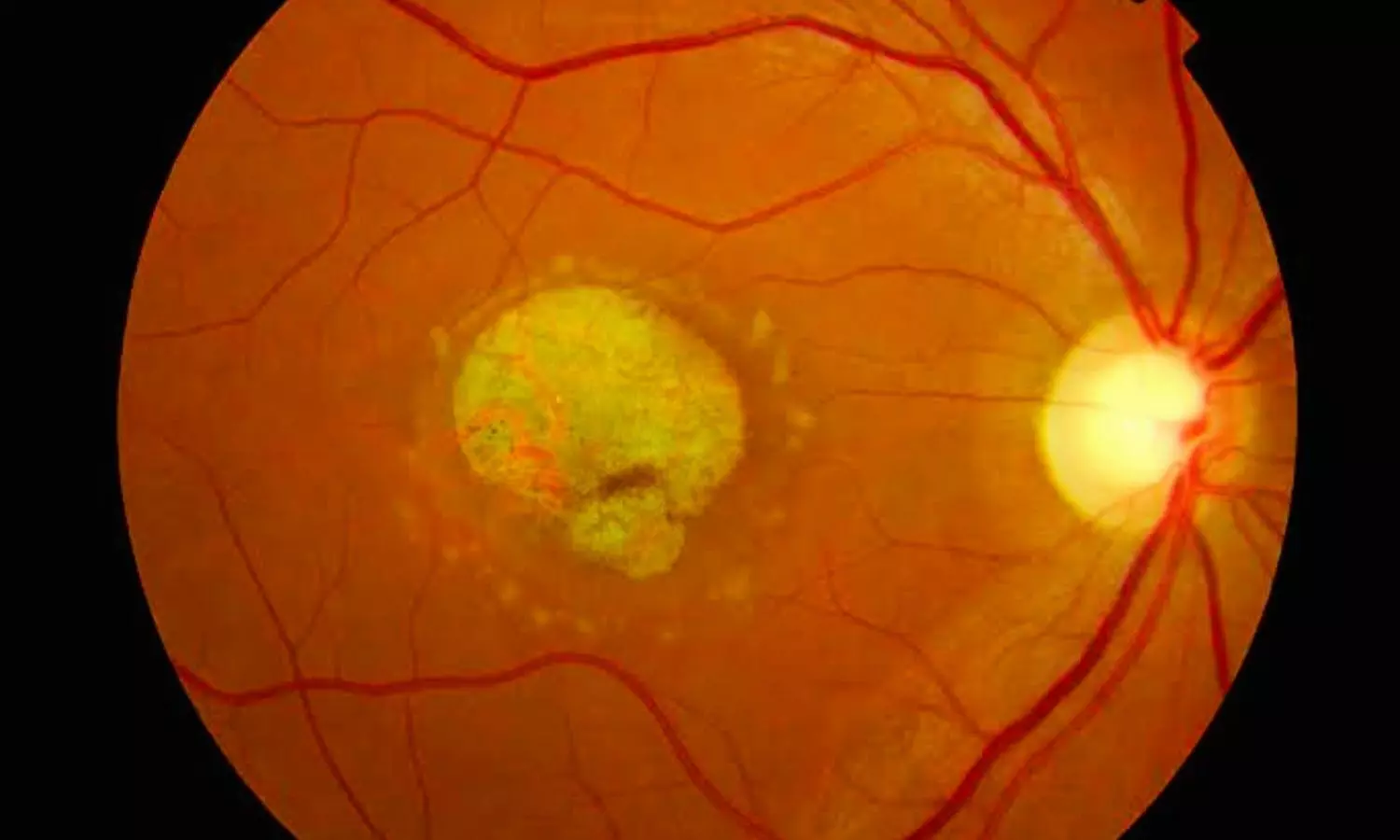


USA: A new clinical trial found that a deuterium-modified form of vitamin A replaced most of the body’s natural vitamin A and reduced its tendency to clump. Over 2 years, the treatment slowed the growth of retina-damaging lesions by more than 20%, without raising major safety concerns.
The findings are from the TEASE-1 randomized clinical trial, published in JAMA Ophthalmology by Christine N. Kay of Vitreo Retinal Associates, Gainesville, Florida, and colleagues. The study evaluated gildeuretinol acetate (C20D3–vitamin A acetate) as a potential treatment for Stargardt disease, the most common macular dystrophy and a major cause of progressive vision loss for which there is currently no approved therapy.
Stargardt disease is associated with disease-causing variants in the ABCA4 gene. The condition can lead to accumulation of toxic vitamin A-derived compounds in the retina, contributing to retinal damage and atrophy. Gildeuretinol acetate is designed to modify vitamin A metabolism and potentially reduce the formation of these harmful compounds.
The multicenter, double-masked, placebo-controlled trial was conducted at seven US outpatient clinics between 2015 and 2019. It enrolled participants aged 12 years or older with clinically diagnosed Stargardt disease and clearly defined areas of retinal atrophy. A total of 50 participants were randomized, while 54 additional natural-history cases were incorporated to strengthen the comparison group. The mean age of randomized participants was 44.3 years, and 55.8% of all participants and cases were female.
Participants received daily oral gildeuretinol acetate at either 14 mg or 24 mg, placebo, or placebo for 12 months, followed by gildeuretinol for another 12 months. Researchers primarily assessed the rate at which retinal atrophic lesions expanded using fundus autofluorescence imaging.
The trial revealed the following findings:
- Over 24 months, retinal atrophic lesions grew at 0.182 mm/year with gildeuretinol versus 0.232 mm/year in the combined untreated group, representing a 21.6% reduction in lesion growth.
- Among randomized participants alone, gildeuretinol was associated with a 14.9% slower rate of retinal lesion progression compared with placebo.
- Most adverse events were mild to moderate and occurred at similar rates across the treatment groups.
- No treatment-related serious adverse events, clinically significant liver abnormalities, night blindness, or difficulties with dark adaptation were reported.
The researchers noted that the study was limited by its small sample size, with natural-history participants added because of the rarity of Stargardt disease. They also cautioned that the anatomical reduction in lesion growth does not yet establish a corresponding improvement in visual function.
Overall, the TEASE-1 findings suggest that once-daily oral gildeuretinol acetate can safely slow retinal atrophy progression in Stargardt disease. Longer and larger studies are needed to determine whether slowing lesion expansion ultimately translates into meaningful preservation of vision and whether treatment may provide greater benefit when started earlier in the disease course.
Reference:
Kay CN, Saad L, DeBartolomeo G, et al. Safety and Effects of Gildeuretinol Acetate on Retinal Atrophic Lesions in Stargardt Disease: The TEASE-1 Randomized Clinical Trial. JAMA Ophthalmol. Published online September 03, 2026. doi:10.1001/jamaophthalmol.2026.3662

Next Story