
Fenofibrate is a Novel Adjunct Therapy for Diabetic Eye Care, Suggests Review
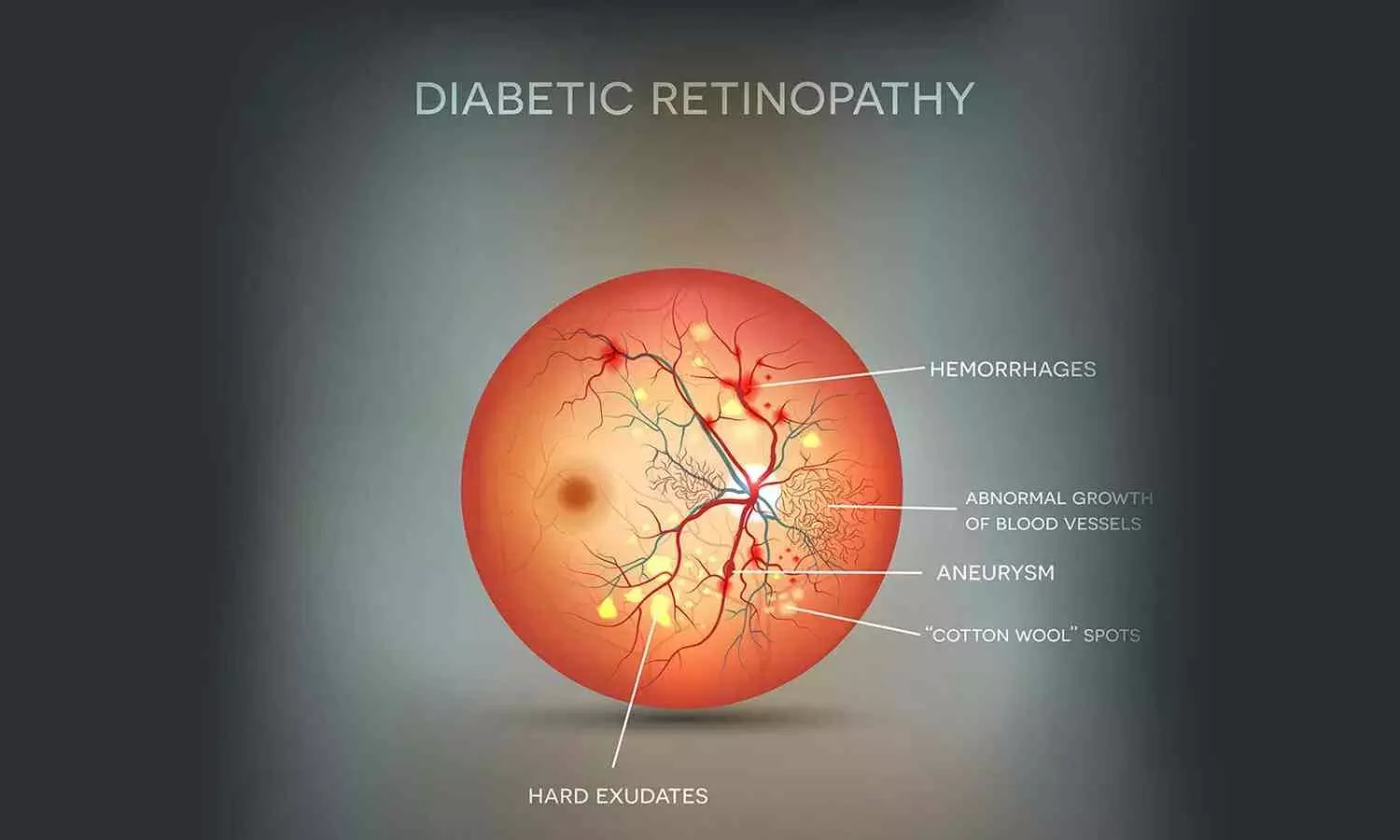


A recent review published in the Delhi Journal of Ophthalmology in June 2026 reveals fenofibrate as a game-changing intervention for the 34.6% of diabetes patients facing eye complications. By harnessing potent antioxidative mechanisms, this oral therapy remarkably slows microvascular disease progression and offers clinicians a crucial new tool to preserve patient vision.
Diabetic retinopathy affects over a third of patients with diabetes. While earlier major trials like FIELD and ACCORD established fenofibrate's microvascular benefits, its specific impact on macular edema remained a clinical gap. To address this, researchers Shilpi Arya and Sandeep Saxena from King George’s Medical University, India evaluated fenofibrate's clinical efficacy to clearly define its therapeutic role in halting diabetes-related eye complications.
Therefore, the researchers reviewed data from major clinical trials—including LENS, FIELD, and ACCORD—which compared daily oral fenofibrate to a placebo in thousands of type 2 diabetes patients over four to five years. as multi-step disease progression on the ETDRS scale, the incidence of diabetic macular edema (DME), and the need for laser therapy, highlighting distinct outcomes for patients with and without baseline retinopathy.
Key Clinical Findings of the Review Includes:
• Reduced Disease Progression: Evaluations demonstrated that fenofibrate significantly lowered the risk of retinopathy progression by 27% compared to a placebo in patients presenting with early stages of the disease.
• Decreased Need for Interventions: Trials revealed a substantial 31% reduction in the requirement for a first laser treatment among patients receiving fenofibrate therapy over a five-year period.
• Synergy with Glycemic Control: Investigations highlighted that fenofibrate reduced primary composite outcomes by 43% in standard glycemic control groups compared to a 25% reduction in intensive control groups, indicating greater relative benefits when glycemic control remains suboptimal.
• Targeted Endothelial Protection: Assessments showed the medication effectively modulates inflammatory pathways, prevents hyperpermeability in the retinal pigment epithelium, and dose-dependently inhibits the apoptosis of human retinal endothelial cells.
• Significant Reductions in Existing Retinopathy: Analyses indicated that patients who already exhibited existing retinopathy at baseline experienced an impressive 79% reduction in two-step disease progression over five years, even though it had no such effect in those without baseline disease.
The results suggest that fenofibrate serves as a highly promising adjunct therapeutic option capable of effectively slowing down microvascular complications across various patient demographics. Furthermore, its robust antioxidative and antiangiogenic properties make it a viable strategy for systematically lowering the need for invasive laser treatments in diabetic patients.
Thus, the review concludes that clinicians gently integrating the oral medication into standard diabetic treatment regimens may thoughtfully transform the long-term clinical management of diabetes-related ophthalmic complications.
While the current findings are undeniably encouraging, the medication's specific effects on DME remain somewhat inconclusive, mildly pointing toward a need for future targeted research to fully elucidate its comprehensive impact on all ocular pathologies without detracting from its proven benefits.
Reference
Arya S, Saxena S. Fenofibrate: A game-changer for diabetic retinopathy. Delhi J Ophthalmol 2026;36:157-8.
