GLP-1RAs May Not Increase Glaucoma Risk, suggests study
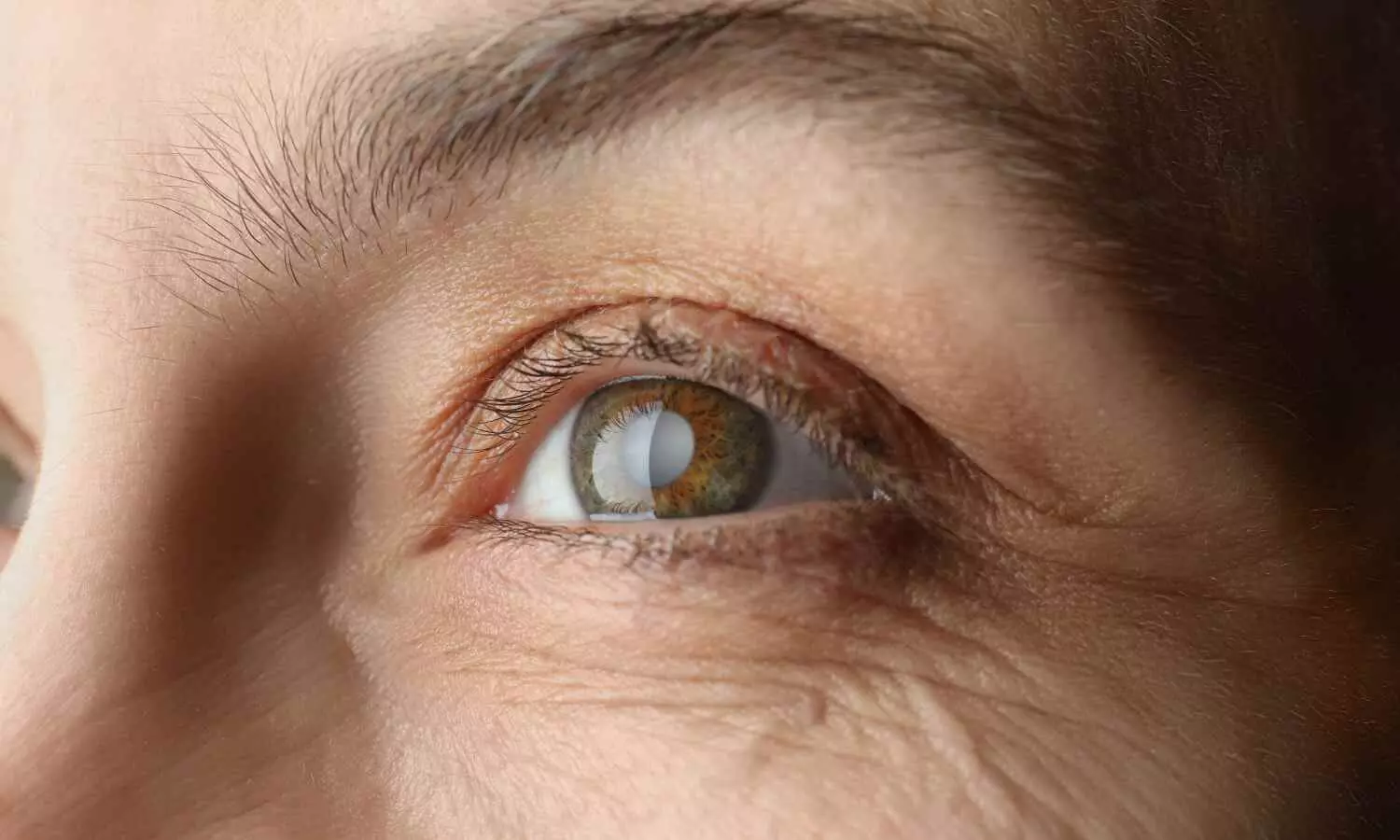


A new study published in the journal of Seminars in Ophthalmology showed that the use of GLP-1 receptor agonists is not linked to a higher risk of glaucoma or ocular hypertension and might even lower the risk.
GLP-1 receptor agonists have become recognized as effective treatments for obesity and type 2 diabetes, providing significant benefits for metabolism and cardiovascular health. Nonetheless, concerns have been raised about their possible negative effects on the eyes, especially in relation to glaucoma and elevated intraocular pressure. With the growing prescription of these drugs, it is important to investigate their connection to changes in intraocular pressure and the risk of developing glaucoma to assess their safety for ocular health.
This systematic review and meta-analysis of observational studies adhered to PRISMA 2020 guidelines and was registered on PROSPERO. The PubMed database was searched initially on April 15, 2026, and the search was updated through August 30, 2026. Additional sources included CENTRAL, Europe PMC, the top 100 results from Google Scholar, and bidirectional citation tracking. Eligible studies comprised retrospective cohort or nested case-control designs investigating GLP-1RA exposure with outcomes of incident glaucoma, ocular hypertension (OHT), or changes in intraocular pressure (IOP), all with adjustments for confounders.
From 406 records screened, ten studies were selected and the data from six cohorts involving 225,814 matched or analyzed patients were combined. The use of GLP-1RA was linked to a reduced risk of documented glaucoma or OHT, although there was 58.5% heterogeneity, and the 95% prediction interval (0.44 to 1.08) included the possibility of no effect, with a low level of certainty.
This relationship remained consistent even after excluding all TriNetX studies (0.78, 0.71 to 0.85) and when focusing solely on open-angle glaucoma outcomes (0.66, 0.53 to 0.82). It was not possible to distinguish the effects of diabetes status, comparator type, and data platform.
Overall, observational evidence of low certainty indicates that the use of GLP-1RA is not linked to an increased risk of glaucoma or OHT and might even be connected to a reduced risk. However, factors such as confounding by indication, reliance on coded outcome identification, and a prediction interval encompassing no effect imply that a protective benefit has not been definitively demonstrated. These results provide grounds for reassurance and align with the ongoing randomized trial.
Source:
Alotaibi, H. A., Alshaibani, A. K., Alzahrani, R. M., Alanazi, B. R., Alamoudi, A., & Almutairi, G. M. (2026). GLP-1 receptor agonists and the risk of glaucoma and ocular hypertension: A systematic review and meta-analysis. Seminars in Ophthalmology, 1–14. https://doi.org/10.1080/08820538.2026.2767204