
High Prevalence of Visual Defects in Children with Cerebral Palsy, Suggests Study
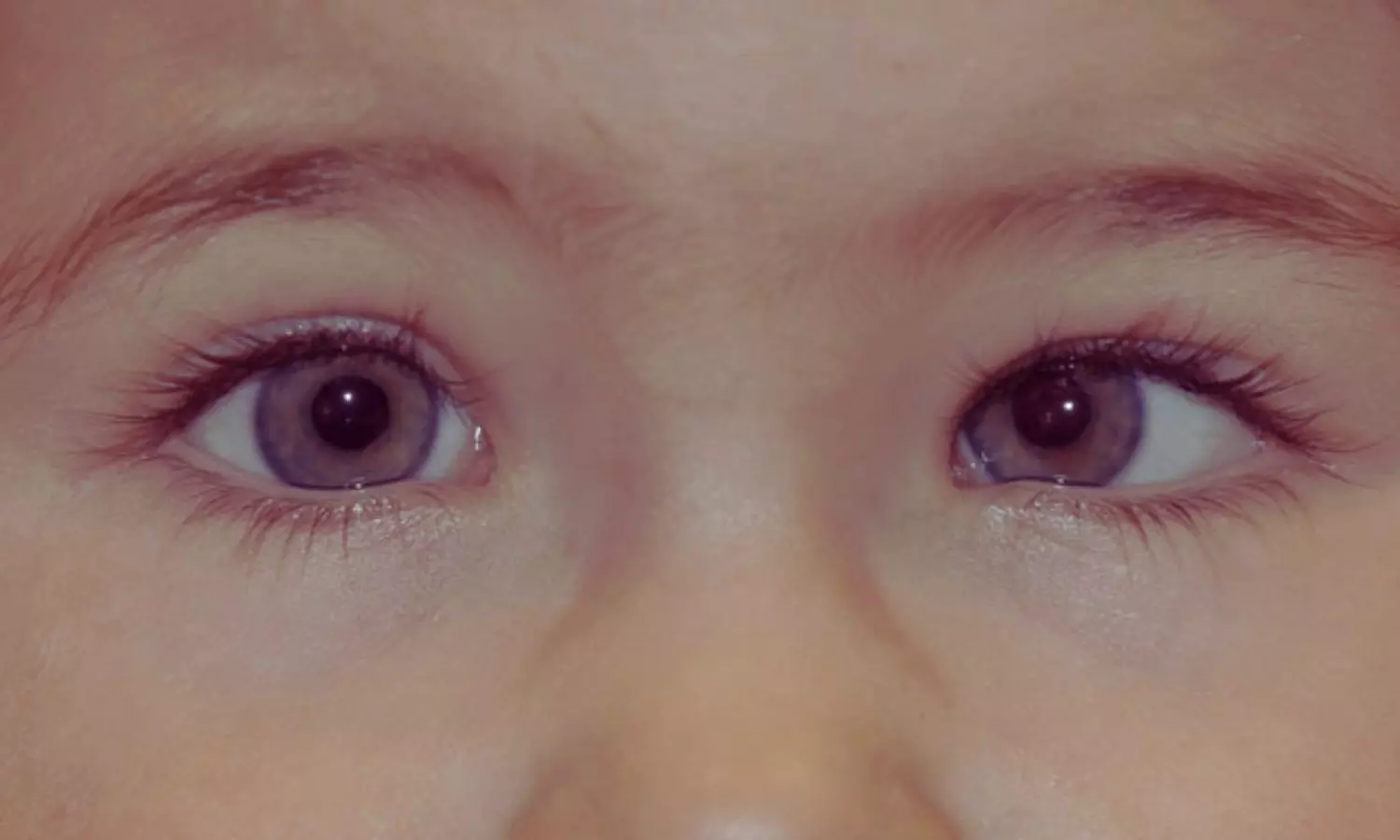


A recent cross-sectional study published in the Delhi Journal of Ophthalmology in June 2026 reveals a striking 73.3% prevalence of visual defects that closely correlate with severe neuroimaging changes in pediatric cerebral palsy patients.
Ocular defects affect up to 90% of children with cerebral palsy (CP) due to shared cortical vulnerabilities, yet early clinical detection in India remains limited. Addressing this gap, Dr. Kanchan Mittal and colleagues evaluated the spectrum of these ocular abnormalities and their direct correlation with CP subtypes and neuroimaging findings.
Therefore, the cross-sectional, hospital-based study evaluated 30 pediatric cerebral palsy patients at a tertiary center from July 2023 to January 2025 using comprehensive ophthalmic and neuroimaging assessments. Excluding patients with progressive neurological or isolated ocular conditions, standard Chi-square and t-tests were utilized to correlate primary visual endpoints with secondary structural changes.
Key Clinical Findings of the Study Includes:
High Overall Prevalence: The meticulous research demonstrated that nearly three-quarters (73.3%) of the evaluated pediatric population exhibited significant ocular manifestations, confirming widespread visual morbidities.
Strabismus and Refractive Errors: The targeted investigation identified both strabismus and refractive errors as the most predominantly shared issues, afflicting 56.7% of the cohort, respectively, with esotropia distinctly dominating the strabismus cases.
Astigmatism and Subtype Correlation: The detailed analysis revealed astigmatism as the primary refractive error (47.1%), uniquely displaying a highly statistically significant correlation (P = 0.048) with specific spastic and mixed clinical subtypes.
Additional Ocular Anomalies: The clinical evaluation successfully recorded further critical abnormalities, including prominent nystagmus in 30%, microphthalmos in 20%, and optic disc pallor in 10% of the young patients.
Neuroimaging and Visual Severity: The comprehensive study highlighted periventricular leukomalacia (23.3%) and cerebral atrophy (6.7%) as the most dominant neuroimaging abnormalities, directly correlating with the clinical severity of the observed visual defects.
The results suggest that profound visual dysfunctions, remarkably affecting 73.3% of the cohort, are highly prevalent comorbidities in CP that strongly parallel underlying neurological severity and structural brain damage. Consequently, recognizing these ocular markers early can serve as an invaluable clinical indicator of underlying cerebral insult.
Thus, the study concludes that thoughtfully incorporating routine, comprehensive eye examinations into holistic, multidisciplinary care protocols may help clinicians detect and correct refractive errors and strabismus much earlier, thereby gently improving the overall functional vision and learning potential of these vulnerable children.
Although the structural findings are clinically valuable, the relatively small sample size and a lack of advanced neuro-ophthalmic investigations indicate a mild need for future research utilizing functional magnetic resonance imaging and visual-evoked potentials, which could help provide a more nuanced understanding of cortical visual pathway involvement.
Reference
Mittal K, Jain K, Nauwal P, Bhargava P, Kaur N. Spectrum of ocular abnormalities in cerebral palsy patients: A cross-sectional study. Delhi J Ophthalmol 2026;36:103-7.
