
Intraocular HPMC Injections: Novel Treatment for Ocular Hypotony, Suggests Study
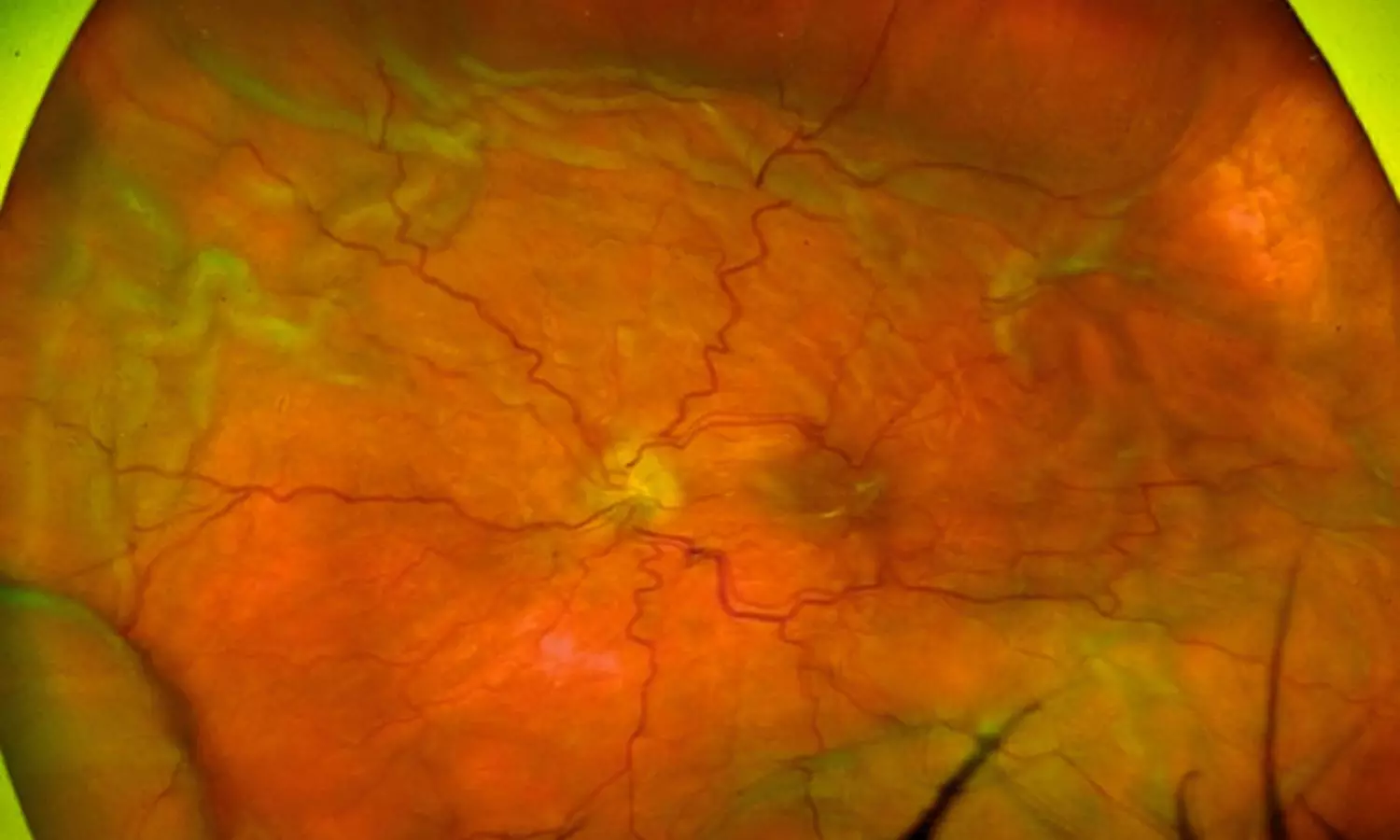


UK: Ocular hypotony leads to alterations in eye shape and internal structures, resulting in progressive and often irreversible vision loss that can culminate in blindness. Silicone oil has traditionally been used to manage hypotony-related vision loss; however, its long-term toxicity and poor optical quality limit its usefulness.
New evidence published in the British Journal of Ophthalmology suggests that intravitreal hydroxypropyl methylcellulose (HPMC), a low-cost viscoelastic widely used in ophthalmic surgery, may offer a safer and effective alternative by restoring eye volume and intraocular pressure.
In a prospective pilot series, researchers led by Karla Orsine Murta Dias from Moorfields Eye Hospital NHS Foundation Trust, London, assessed the visual and anatomical outcomes of intravitreal HPMC injections in patients with chronic structural ocular hypotony. Chronic hypotony remains a vision-threatening condition with few effective treatment options and no established standard of care for restoring ocular anatomy in eyes with visual potential.
The study included eight patients with structural hypotony lasting longer than three months, defined by an intraocular pressure below 6.5 mm Hg. All participants had clear corneas, unobstructed visual axes, and demonstrable visual potential. Patients received repeated intravitreal HPMC injections at doses ranging from 70 µL to 1400 µL, administered every two to four weeks. Treatment continued until intraocular pressure stabilized between 10 and 15 mm Hg, axial length was restored toward pre-morbid values, or symmetry with the fellow eye was achieved. Patients were followed for 12 months after the initial injection.
Key findings were as follows:
- Best-corrected visual acuity improved in 87.5% of treated eyes, while vision remained stable in one eye.
- Intraocular pressure increased in most eyes, rising from markedly low baseline values to levels consistent with ocular stability.
- Axial length increased in 75% of eyes, suggesting partial restoration of globe anatomy and reversal of hypotony-related structural changes.
- The treatment was generally well-tolerated across the study population.
- Two eyes experienced uveitis flare-ups that temporarily reduced HPMC clarity but responded to topical and intravitreal steroid therapy.
- Temporary vision loss occurred in two cases following injection but resolved after paracentesis, with no permanent visual consequences reported.
The authors noted that this is the first prospective case series to apply a structured, protocol-based approach to intravitreal HPMC use in chronic hypotony. The findings suggest that HPMC injections can improve visual acuity, increase intraocular pressure, and restore ocular anatomy in selected patients with visual potential.
Despite these encouraging results, the small sample size and lack of a control group limit the strength of the conclusions. The researchers emphasized the need for randomized controlled trials to validate these findings and establish standardized treatment pathways. Nevertheless, intravitreal HPMC appears to be a promising, low-cost therapeutic option for managing chronic structural ocular hypotony and preserving vision.
Reference:
Orsine Murta Dias K, Yang E, Calcagni A, et alNovel therapeutic strategies to restore vision in ocular hypotony (STRETCH): results from a prospective pilot seriesBritish Journal of Ophthalmology Published Online First: 11 January 2026. doi: 10.1136/bjo-2025-327866

Next Story