
Intense Pulsed Light Therapy Enhances Tear Film Stability, Suggests Study
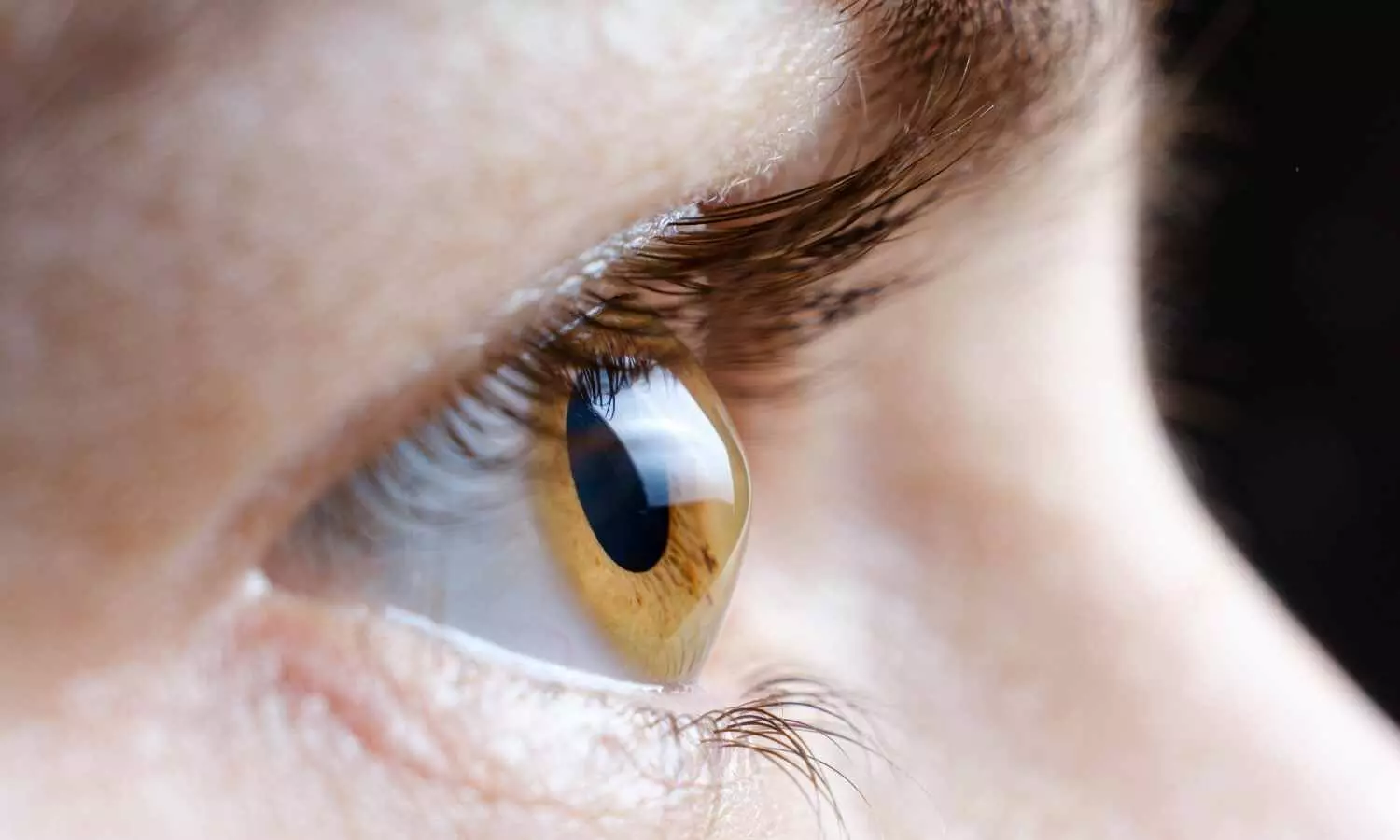


A recent prospective study published in the Indian Journal of Ophthalmology in December 2024 reveals that just three targeted sessions of intense pulsed light (IPL) therapy significantly enhance tear film stability, impressively boosting noninvasive tear break-up time (NIBUT) by 135.5%.
While traditional therapies for evaporative dry eye frequently fail to deliver complete or long-lasting symptomatic relief, researchers continue exploring photothermolysis to address this persistent clinical gap; consequently, Dr. Sourabh D. Patwardhan and colleagues from the Department of Ophthalmology at Nandadeep Eye Hospital investigated whether light application directly to the inferior periocular skin alters vital tear film components and alleviates visual symptoms in patients suffering from meibomian gland dysfunction (MGD).
Therefore, the 45-day prospective study evaluated 70 eyes (35 adults) receiving three intense pulsed light (IPL) treatments at 15-day intervals. After excluding patients with aqueous-deficient dry eye, active ocular inflammation, or abnormal skin conditions, clinical efficacy was measured using SPEED symptom scores, Schirmer’s 1 test, NIBUT, meiboscopy, and tear film interferometry.
Key Clinical Findings of the Study Includes:
Symptom Reduction: The study reported a statistically significant 24.5% decrease in patient-reported ocular discomfort, with mean questionnaire scores dropping substantially from 14.4 to 10.86 post-therapy.
Tear Production: The study noted that Schirmer’s 1 test values exhibited a consistent 40.13% enhancement, rising progressively from 14.3 mm to 20.04 mm by the final day, day 45.
Tear Film Stability: The study highlighted a dramatic 135.53% increase in NIBUT, improving remarkably from 5.91 seconds at baseline to 13.92 seconds.
Lipid Layer Enhancement: The study observed a robust 58.91% surge in interferometry grades, improving from 3.14 to 5.0, reflecting a thicker and more stable lipid layer.
Glandular Improvement: The study demonstrated a 13.54% qualitative recovery in meibomian gland structural integrity, with manual meiboscopy grades shifting positively from 2.51 to 2.17.
The results suggest that repeated IPL interventions act as a highly effective clinical tool, yielding qualitative structural improvements of 13.5% alongside a massive 135.5% quantitative surge in overall tear stability. These combined enhancements successfully alleviate the persistent discomfort associated with evaporative dry eye disease over the treatment period.
Thus, the study concludes for clinicians that integrating this light-based therapeutic option into routine ocular surface practice may reliably help manage refractory MGD when conventional topical treatments fall short, promoting progressively better tear film homeostasis with every subsequent session.
Although naturally limited by the absence of strict investigator masking, the lack of a comparative warm-compress control group, and no documented patient follow-up beyond the 45-day mark, it would be gently beneficial for future research to explore extended observation periods and larger sample sizes to help establish a standardized treatment protocol.
Reference
Patwardhan SD, Sangle A, Patwardhan NS, Mane S. Quantitative and qualitative assessment of evaporative dry eye post-intense pulsed light therapy, a prospective study. Indian J Ophthalmol 2025;73:590‑3.
