
Long-Term Hydroxychloroquine Use Tied to Risk of Retinopathy, Reiterates Study
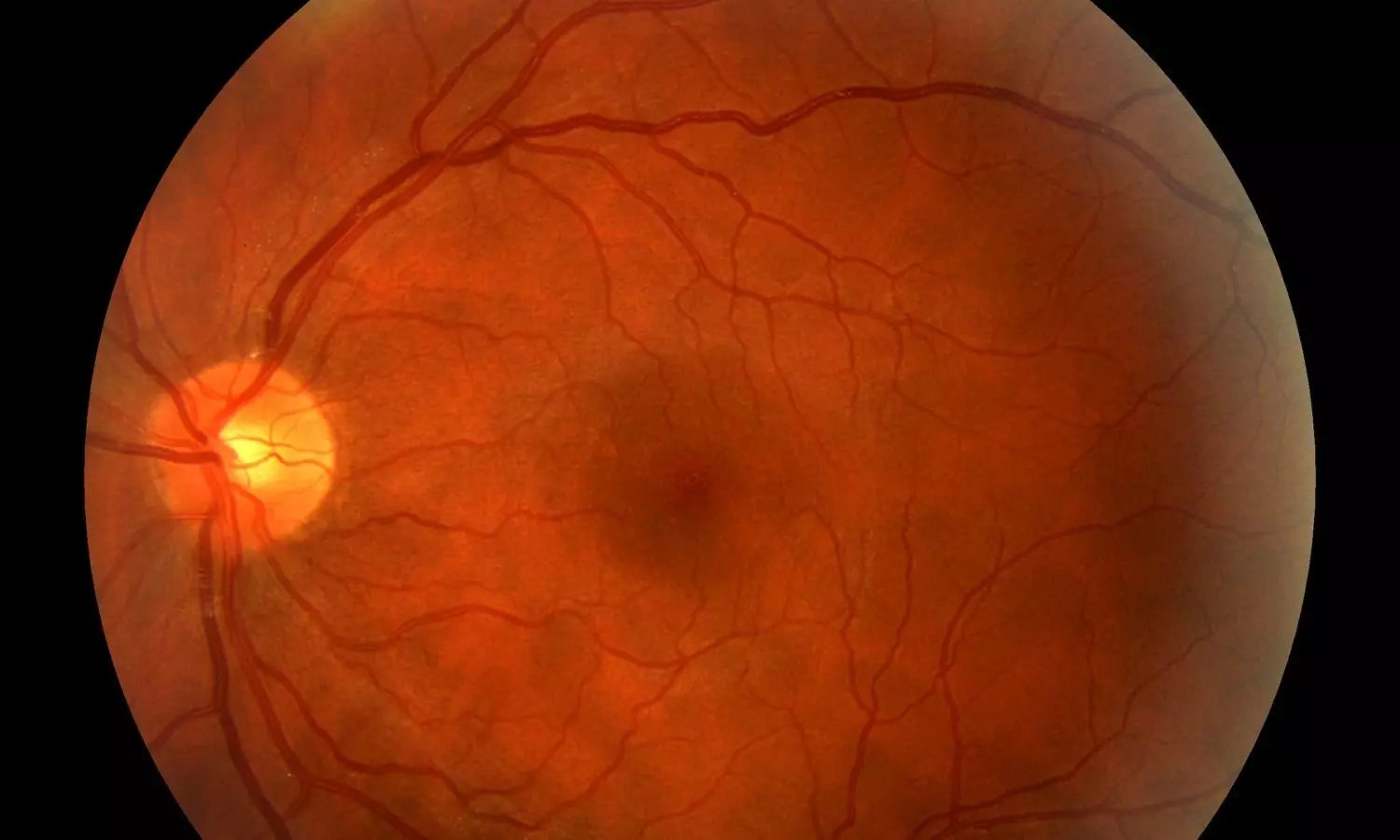


Canada: Hydroxychloroquine is widely used to treat various rheumatologic diseases, but long-term use may lead to hydroxychloroquine retinopathy and potential vision loss.
According to a large meta-analysis, published in Arthritis Care & Research, about 1 in 18 patients taking hydroxychloroquine for 15 years develop retinal damage, corresponding to a cumulative risk of approximately 5.6%. Major risk factors identified include female sex, daily doses greater than 5 mg/kg of body weight, and the presence of chronic kidney disease. These findings highlight the importance of regular ophthalmologic screening in patients receiving long-term hydroxychloroquine therapy.
Hydroxychloroquine is commonly prescribed for autoimmune rheumatic conditions due to its immunomodulatory properties and relatively favorable safety profile. However, retinal toxicity associated with prolonged exposure has become an increasing concern. To better quantify this risk, researchers led by Narsis Daftarian from the University of British Columbia conducted a systematic review and meta-analysis evaluating the prevalence, cumulative incidence, and risk factors for hydroxychloroquine retinopathy among patients with rheumatic diseases.
For this purpose, the researchers systematically searched PubMed, Scopus, Ovid-Embase, and World Health Organization databases for observational studies published from database inception to December 31, 2025. Eligible studies included adults with rheumatic diseases who had been treated with hydroxychloroquine for at least one year and were screened for retinal toxicity using spectral-domain optical coherence tomography (SD-OCT). Studies were required to report the prevalence or cumulative incidence of hydroxychloroquine retinopathy or provide data allowing these estimates to be calculated. The quality of the included studies was assessed using the Newcastle-Ottawa Scale.
A total of 827 studies were identified through the search. After screening and applying the inclusion criteria, 19 studies were included in the final analysis, comprising 18 cohort studies and one case-control study.
Key Findings:
- The pooled analysis found that the overall prevalence of hydroxychloroquine retinopathy between 2008 and 2023 was 5.1%.
- The risk of retinal toxicity increased progressively with longer duration of hydroxychloroquine therapy.
- The pooled cumulative incidence of hydroxychloroquine retinopathy was 0.1% after five years of treatment.
- The cumulative incidence increased to 2.6% after ten years of therapy.
- After fifteen years of continuous hydroxychloroquine use, the cumulative incidence reached 5.6%.
- Daily doses greater than 5 mg/kg of actual body weight were associated with more than a fourfold higher risk of developing hydroxychloroquine retinopathy.
- The presence of chronic kidney disease was linked to nearly double the risk of retinal toxicity.
- Women had a significantly higher likelihood of developing hydroxychloroquine retinopathy compared with men.
- Asian patients showed a modestly increased risk of hydroxychloroquine retinopathy compared with White patients.
Overall, the findings suggest that hydroxychloroquine retinopathy risk increases with both treatment duration and dose. The authors emphasize the importance of dose optimization and regular ophthalmologic monitoring, particularly in patients with risk factors such as higher daily doses, chronic kidney disease, female sex, and Asian ethnicity.
Reference:
Daftarian, N., Yue, C., Levasseur, S. D., Xie, H., & Avina-Zubieta, J. A. Risk of Retinopathy Associated with Long-Term Use of Hydroxychloroquine in Patients with Rheumatic Diseases: A Systematic Review and Meta-Analysis. Arthritis Care & Research. https://doi.org/10.1002/acr.80033

Next Story