
Machine Learning Enables Personalized Prediction of Glaucoma Progression, Suggests Research
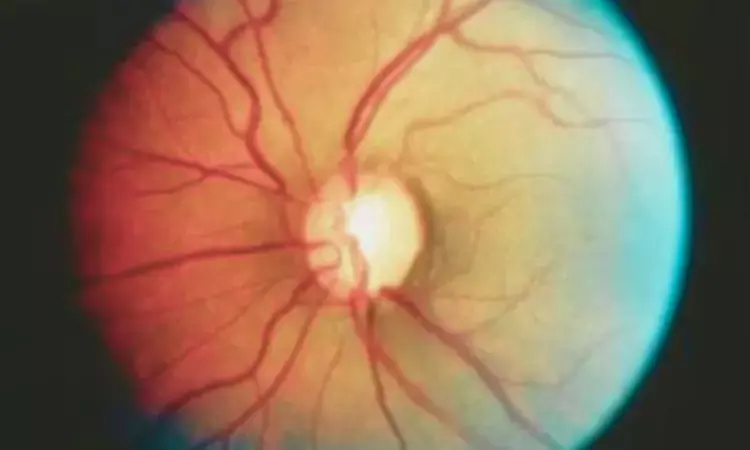


Russian Federation: Researchers applied machine learning models to predict glaucoma progression using a wide range of biomarkers, including structural, functional, and vascular parameters derived from OCT angiography. The models demonstrated high accuracy in forecasting disease progression, highlighting the potential for more personalized and preventive glaucoma care, as reported in the EPMA Journal.
Glaucoma remains the leading cause of irreversible blindness worldwide, largely due to its silent onset and highly variable progression. Conventional monitoring often depends on a limited number of clinical markers, which may not adequately capture the complexity of disease evolution. To overcome this limitation, researchers explored a predictive, preventive, and personalized medicine (3PM) approach that integrates multiple biomarkers to better anticipate individual risk.
The study was led by Natalia I. Kurysheva from The Ophthalmological Center of the Federal Medical and Biological Agency of the Russian Federation, Moscow, and colleagues. The investigators aimed to develop a personalized, multimodal predictive framework for patients with primary open-angle glaucoma (POAG) by combining structural, functional, vascular, biomechanical, and demographic data.
Patients with POAG across disease stages were followed for at least 36 months and underwent multimodal assessments, including OCT, OCT angiography, automated visual field testing, and biomechanical measures such as corneal hysteresis. The data were analyzed using Ranked Partial Least Squares Discriminant Analysis, with model performance and robustness validated through advanced cross-validation techniques.
The following were the study’s findings:
- The predictive models showed strong prognostic performance across different stages of primary open-angle glaucoma.
- In early-stage disease, the models integrated up to 27 variables, while 20 parameters were included in models for advanced-stage glaucoma.
- This comprehensive multimodal approach enabled accurate classification of slow, moderate, and rapid rates of glaucoma progression, with area under the curve values reaching as high as 0.90.
- The analysis demonstrated that key predictors differed by disease stage.
- Early glaucoma progression was mainly influenced by retinal nerve fiber layer thickness, peripapillary microvascular dropout, parafoveal vascular density, and corneal hysteresis.
- In advanced glaucoma, progression was more strongly associated with age, ganglion cell complex thickness, specific macular thickness measures, and peripapillary perfusion parameters.
According to the authors, incorporating a broad spectrum of biomarkers allows the models to reflect the continuous and multifactorial nature of glaucomatous damage more accurately than traditional approaches. This enables improved risk stratification and supports a shift toward proactive disease management.
The researchers also outlined how this 3 PM-guided strategy could be translated into clinical practice. Establishing a baseline multimodal profile for each patient would allow clinicians to generate individualized risk scores, guiding follow-up frequency and treatment decisions. Patients at high risk of rapid progression could benefit from closer monitoring and earlier intervention, while those with stable disease might safely extend follow-up intervals. Treatment strategies, including intraocular pressure targets and preventive measures, could be tailored to each patient’s unique risk profile.
Overall, the findings suggest that multimodal AI-based modeling can significantly enhance glaucoma care by enabling earlier risk detection, personalized management, and improved visual outcomes through more efficient and targeted use of clinical resources.

Next Story