
New Research Highlights Simple Eye Fluid Check for Early Cancer Detection
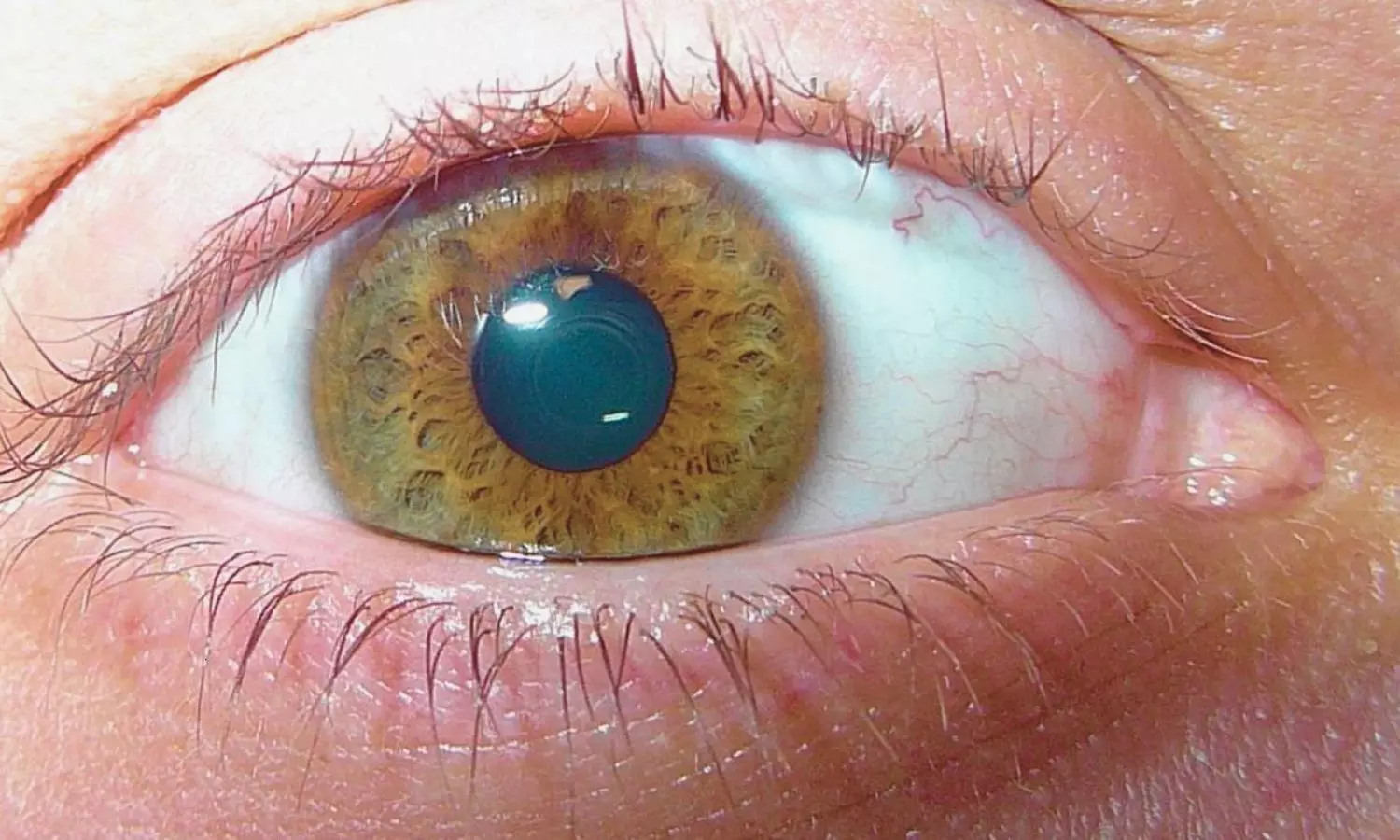


USA: Elevated levels of lactic acid in the eye's aqueous humor could serve as a potential marker for uveal melanoma, a new research published in the American Journal of Ophthalmology has shown.
The investigation, led by Dr. Sarah Miller and her team at the Wilmer Eye Institute, Johns Hopkins School of Medicine, suggests that measuring L-lactate in this clear fluid of the eye may help identify malignant growths, paving the way for earlier and less invasive diagnosis of this rare but serious eye cancer.
Uveal melanoma is the most common primary cancer of the eye in adults, but its subtle early signs often delay detection. An indicator such as aqueous L-lactate could therefore be invaluable in improving early diagnosis and guiding treatment decisions. While the authors emphasize that further research is needed to confirm clinical utility and to refine testing methods, their work underscores a promising new direction: using the eye’s own fluid as a window into tumor metabolism and disease activity.
The researchers designed a case–control study to investigate whether lactic acid—a byproduct of tumor cell metabolism—was elevated in eyes affected by uveal melanoma (UM) compared to healthy eyes. They also assessed whether L-lactate concentrations reflected specific tumor characteristics, including clinical features, pathological findings, and molecular profiles.
The study included aqueous humor samples from 34 patients undergoing eye removal (enucleation) for uveal melanoma and from 13 individuals undergoing routine cataract surgery who served as controls. L-lactate levels were measured in all samples. Additionally, 23 melanoma patients were monitored for at least five years after surgery, and detailed clinical data were retrieved through a review of their medical records. Tumor tissues underwent RT-qPCR testing and factor analysis to approximate established prognostic classifications.
The study revealed the following findings:
- Aqueous L-lactate concentration was significantly higher in eyes with uveal melanoma compared to the control group.
- Elevated lactate levels showed a positive correlation with the number of dividing tumor cells (mitotic activity) observed under the microscope.
- No association was found between lactate levels and tumor size, prior brachytherapy, predominant histologic cell type, or the presence of metastases.
- Increased lactate levels did not correlate with the tumor’s gene expression profile.
These findings suggest that lactic acid in the aqueous humor reflects the metabolic activity of the tumor rather than its physical dimensions or genetic makeup. By highlighting a measurable metabolic marker that differs markedly between malignant and non-malignant eyes, the study opens the door to a potential diagnostic tool. If validated in larger trials, a simple aqueous tap—already a routine procedure in certain ophthalmic evaluations—could help clinicians differentiate suspicious uveal lesions without immediately resorting to invasive biopsies.
By linking elevated aqueous lactate to tumor cell proliferation, Dr. Miller and colleagues provide a strong foundation for future studies that may ultimately translate this laboratory observation into a practical, minimally invasive diagnostic aid for uveal melanoma.
Reference:
Miller S, Cano M, Kawalerski R, Shi MD, Sodhi A, Merbs SL, Rajaii F, Hu DN, Eberhart CG, Handa JT. Elevated Lactic Acid Levels in the Aqueous Humor May Be an Indicator of Uveal Melanoma. Am J Ophthalmol. 2025 Sep 11:S0002-9394(25)00485-4. doi: 10.1016/j.ajo.2025.09.014. Epub ahead of print. PMID: 40945887.

Next Story