Oral Contraceptives Not Linked to Higher Dry Eye Risk
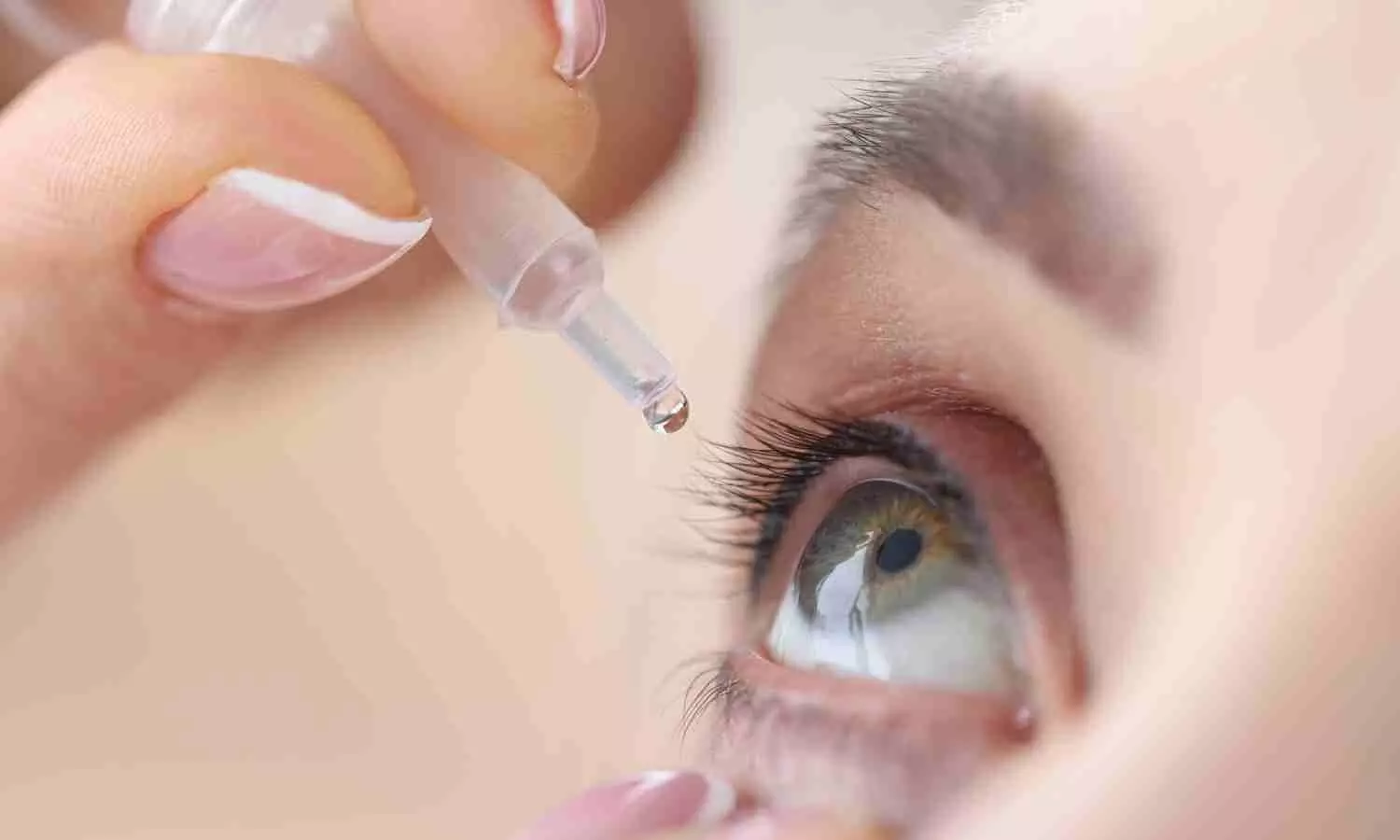


A new study published in the journal of Clinical and Experimental Optometry showed that the usage of oral contraceptives was not substantially linked to either decreased tear production or an increased incidence of dry eye conditions.
Females are disproportionately affected by dry eye disease (DED), a multifactorial ocular surface disorder that suggests a substantial hormonal effect on tear film stability. Oral contraceptives (OCPs) may interfere with meibomian gland function and tear formation by changing systemic levels of progesterone and estrogen.
Optimizing individualized eye treatment for female patients requires an understanding of the intricate relationship between OCP usage and DED outcomes. Thus, the purpose of this study was to ascertain the relationship between the usage of oral contraceptives and the consequences of dry eye illness.
In November 2025, four datasets were examined. Meibomian gland dysfunction, tear osmolarity, Schirmer test, Ocular Surface Disease Index, dry eye disease association, and tear break-up time were among the results. For outcomes with more than three trials, association estimates were pooled using random-effects meta-analyses; otherwise, data were summarized narratively. The Joanna Briggs Institute Critical Appraisal Checklists were used to evaluate the risk of bias. Grading of Recommendations Assessment, Development, and Evaluation was used to determine the degree of certainty of the evidence.
Twelve observational studies were included in the 889 papers that were found.
When comparing oral contraceptive users to non-users, the pooled risk ratio for dry eye disease was 2.05.
Users of oral contraceptives had shorter tear break-up times; however, sensitivity analysis did not support this conclusion.
There was a non-statistically significant decrease in tear output. Oral contraception users had greater tear osmolarity (mean difference 3.8 mOsm/L; 95% CI: -2.61, 10.21; n = 49; p = 0.2387) and a higher risk of meibomian gland dysfunction (odds ratio 2.58; 95% CI: 1.21, 5.52; n = 222; p = 0.01).
Oral contraceptive usage was linked to lower median Ocular Surface Disease Index values (2.1 vs. 5.4) in one study and higher median values (18.7 vs. 8.3) in another.
There was very little evidence to support any of the results.
Overall, reduced tear production or a statistically significant risk of dry eye disease was not linked to the usage of oral contraceptives. The need for more high-quality research is highlighted by the fact that, despite the observation of a decrease in tear film stability, the result was inconsistent in sensitivity analyses and the overall confidence of the evidence was very low.
Source:
Basu, B. B., Buntain, H. H., Thompson, M. M., Dyer, B. P. B., & Adams, M. M. (2026). The association between oral contraceptive pill use and the outcomes of dry eye disease: a systematic review and meta-analysis. Clinical & Experimental Optometry: Journal of the Australian Optometrical Association, 1–15. https://doi.org/10.1080/08164622.2026.2699981